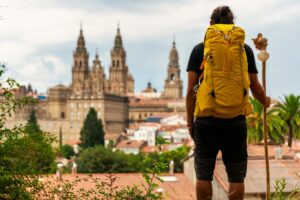
Organising a Camino de Santiago as a team can become one of the most transformative experiences for a company. It’s not just about covering kilometres, but about learning to move forward together, overcoming challenges, discovering personal strengths and, above all, strengthening bonds between colleagues outside the workplace.
Each stage, each conversation and every challenge along the Camino becomes an opportunity to practise leadership, communication and empathy. That’s why many organisations now see this ancient route as a tool for both professional and personal growth.
Índice de contenidos
- 1 Why the Camino de Santiago strengthens team bonds
- 2 How to organise a company Camino step by step
- 3 Real challenges of walking the Camino in a group
- 4 Ideal routes for a company Camino: advantages and characteristics
- 4.1 Portuguese Way: balance between nature and connection
- 4.2 Sanabrés Way: achievement and adventurous spirit
- 4.3 Northern Way: beauty, effort and camaraderie
- 4.4 French Way: the most social and complete route
- 4.5 English Way: short, accessible and motivating
- 4.6 Primitivo Way: authenticity and perseverance
- 4.7 Finisterre Way: symbolic closure and shared reflection
- 5 Best times of year to organise a company Camino
- 6 Teamwork and leadership along the way
- 7 Final tips for an unforgettable company Camino
Why the Camino de Santiago strengthens team bonds
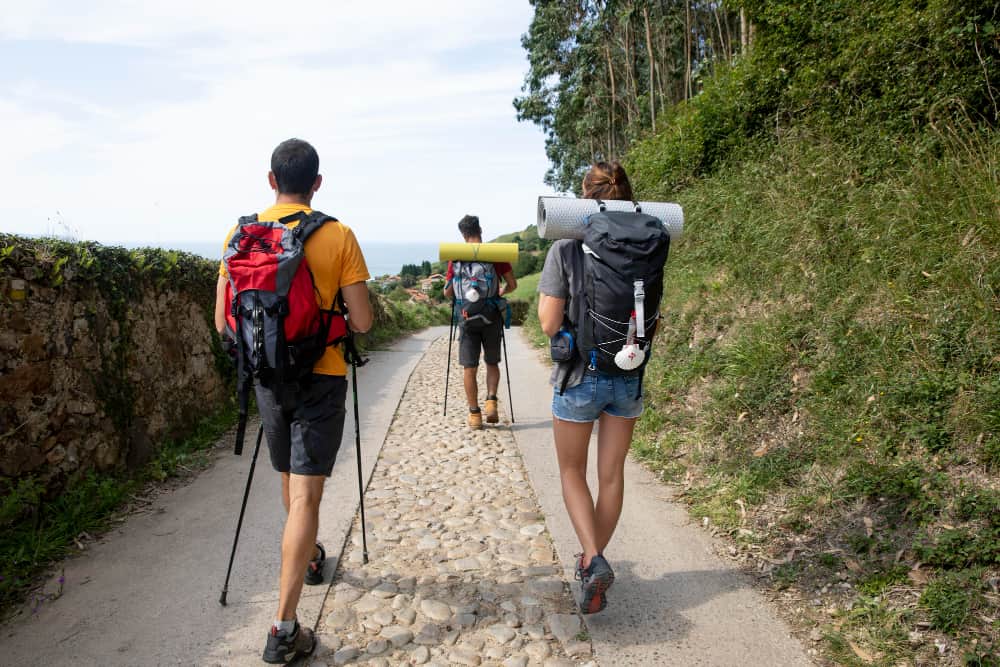
The Camino de Santiago offers something that few corporate activities can achieve: real coexistence. For several days, colleagues share early mornings, physical effort, logistical decisions and moments of emotion. In that environment, roles and hierarchies fade away, allowing what truly matters to emerge — collaboration, solidarity and trust.
On a psychological level, this type of experience creates cohesion. When facing fatigue, tiredness or uncertainty together, teams develop more empathetic communication and a much deeper sense of belonging. Moreover, the route encourages highly valued workplace skills such as active listening, frustration management and group decision-making.
In other words, it becomes an “outdoor leadership and teamwork training”, where each day teaches something new about resilience, organisation and cooperation.
How to organise a company Camino step by step
Planning a company Camino doesn’t require being an expert hiker, but it does require taking into account several key aspects to ensure the experience is smooth, safe and rewarding.
Define the goals and duration
Before choosing a route, it’s important to decide what the company wants to achieve: team cohesion between departments? Strengthening leadership? Improving internal communication?
Once the objectives are defined, it’s best to choose an itinerary of around 5 to 7 stages — long enough to foster connection but not so long that it physically exhausts the group.
Physical and mental preparation
It’s not necessary to be in athletic shape, although it’s advisable to do some practice walks (both individually and as a group) to get used to several hours of daily walking. Mental preparation is also important: the Camino is as emotional as it is physical, and it requires patience, adaptability and a collaborative spirit.
Planning accommodation and meals
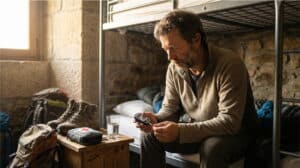
This is where some of the most common challenges arise. During peak season, accommodation availability can be limited, so it’s best to book in advance. Teams should consider whether they prefer shared hostels (which encourage group bonding) or small rural hotels that offer more comfort.
The best option is to leave this task to Camino de Santiago travel companies specialising in these experiences. They’ll ensure that the entire team gets the rest they deserve without having to worry about logistics.
Meals should also be planned with allergies and dietary preferences in mind. Some groups choose to have shared dinners to strengthen bonds and reflect on the day’s journey.
Luggage and transport logistics
Although carrying a light backpack is part of the Camino philosophy, for a corporate group it may be more practical to arrange luggage transfer services between stages. This allows everyone to focus on the experience itself, without unnecessary weight or the risk of injury.
Team dynamics
Each day can end with a short group activity: sharing key takeaways, assigning a “stage leader”, or simply discussing the most meaningful moments. These dynamics reinforce cohesion and help bring what’s been learned into the professional sphere.
Real challenges of walking the Camino in a group
The Camino de Santiago is not a leisurely stroll — it’s a route with real challenges which, when managed properly, become shared learning experiences.
- Pace and personal differences. In every group, some people walk faster while others need more breaks. Coordinating different rhythms requires empathy and flexibility. It’s not about who gets there first, but about moving forward together. Learning to wait, accompany and adapt strengthens team spirit.
- Weather conditions. Rain, heat or mud are inevitable factors. These unexpected situations test the group’s organisational skills and morale. With good planning (technical clothing, waterproofs, water, sun protection) and a positive attitude, even bad weather becomes part of the shared story.
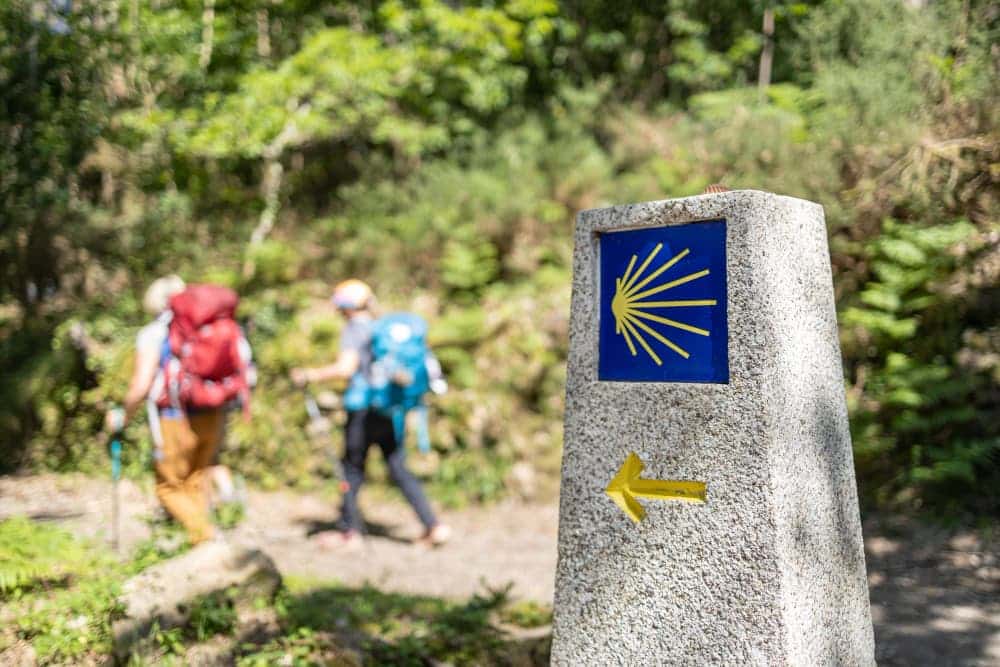
- Orientation and signage. Although the yellow arrows are a symbol of the Camino, sometimes the directions can be confusing. It’s advisable to carry updated maps or mobile apps to avoid getting lost, especially if the group is large.
- Emotional management. Not all team members experience the Camino in the same way. Some may be moved by the landscape, while others might feel frustrated by fatigue. Listening, supporting and avoiding judgement are essential. Sharing emotions fosters trust and unity.
Overcoming these situations together is what makes the journey more than just a walk — it becomes an experience in shared learning and leadership.
Ideal routes for a company Camino: advantages and characteristics
Not all routes offer the same experience. Some are more physically demanding, others stand out for their spirituality or services. Choosing the right route depends on the group’s profile, the time available and the goals to be achieved.
Portuguese Way: balance between nature and connection
The Portuguese Way is one of the most recommended options for corporate groups. Its route combines rural paths, charming villages and well-distributed services. One of its most attractive stretches for companies is the Portuguese Way from Porto to Tui, offering a moderate distance and excellent infrastructure.
Advantages:
- Good balance between physical effort and comfort.
- Green, peaceful landscapes that encourage conversation.
- Plentiful and varied accommodation options.
It’s ideal for teams seeking connection, reflection and contact with nature without major physical demands.
Spiritual Variant: introspection and mindful leadership
The Camino de Santiago Spiritual Variant is perfect for small groups or executives looking for a more symbolic and emotional experience. It combines coastal stretches, rural paths and a river section by boat, making it a truly unique route.
Advantages:
- Beautiful natural settings between the sea and forest.
- Moments of calm and reflection, ideal for practising mindful leadership.
- Fewer pilgrims, making it easier to connect within the group.
It’s not the easiest, but it is one of the most rewarding for teams seeking to strengthen their shared identity and exchange personal insights.
Sanabrés Way: achievement and adventurous spirit
The Ourense to Santiago via the Sanabrés Way is an excellent option for established teams or those in good physical shape. It’s less crowded and offers spectacular mountain scenery.
Advantages:
- Authentic rural surroundings, perfect for disconnecting from work-related stress.
- Physical challenges that strengthen cooperation and mental resilience.
- Peaceful stretches where conversations flow naturally.
Due to its level of difficulty, it’s recommended for companies wanting to develop perseverance and collective effort management.
Northern Way: beauty, effort and camaraderie
The Northern Way runs along Spain’s northern coast, combining sea, mountains and charming cities like Santander and Gijón. It’s ideal for active teams used to sport and adventure.
Advantages:
- Stunning landscapes of cliffs, beaches and forests.
- Challenging stages that encourage mutual support and planning.
- Wide range of accommodation and services in urban areas.
Although it’s more demanding than other routes, it’s an inspiring choice for companies with an innovative spirit, accustomed to challenges and continuous improvement.
The French Way is the most popular route with the best infrastructure. It passes through iconic towns like Pamplona, León and Sarria and offers a large network of accommodation and services. It’s perfect for teams seeking a balanced experience between challenge and shared connection.
Advantages:
- Excellent signposting and a wide range of accommodation.
- International atmosphere and opportunities to connect with other pilgrims.
- Ideal for mixed teams with varying levels of experience.
Its cultural and scenic richness makes it the ideal route to foster collaboration and natural leadership within the group.
English Way: short, accessible and motivating
The English Way is perfect for companies with limited time. Its stages are moderate, passing through charming rural and coastal areas. In less than a week, the group can reach Santiago with a genuine sense of shared achievement.
Advantages:
- Short route (5–6 stages), ideal for corporate getaways.
- Stages accessible to all fitness levels.
- Peaceful setting and excellent local cuisine.
It’s a highly recommended option for strengthening unity and team spirit in a short time.
Primitivo Way: authenticity and perseverance
Considered the oldest route, the Primitivo Way links Oviedo with Santiago through mountains and valleys of breathtaking beauty. It’s physically demanding but ideal for teams looking for a shared challenge and an authentic experience away from the crowds.
Advantages:
- Less-travelled route, perfect for introspection and teamwork.
- Inspiring high-mountain landscapes.
- Ideal for teams seeking to build trust and resilience.
Although it requires good physical preparation, it rewards participants with a strong sense of shared accomplishment.
Many groups choose it as a symbolic epilogue after reaching the Cathedral, to reflect together on the experience and celebrate their achievements.
Advantages:
- Quiet, less crowded route — ideal for the emotional closure of the journey.
- Spectacular Atlantic views and unique sunsets.
- Encourages reflection and final group cohesion before returning home.
Ending the experience in Finisterre is a symbolic way to close a cycle of learning, motivation and teamwork that will leave a lasting mark on the group.
Best times of year to organise a company Camino
Choosing the right time of year directly affects the weather, the number of pilgrims, accommodation availability and the team’s overall mood. Here are the most suitable periods depending on objectives and team profile:
Spring (April–June):
- Mild weather and longer days: ideal for performance and group interaction, with less risk of extreme heat.
- Moderate crowds: better accommodation availability than in high summer, with a pleasant pilgrim atmosphere.
- Recommended for: mixed teams and first corporate experiences.
Autumn (September–October):
- Soft temperatures and lower sun intensity: perfect for maintaining a steady group pace.
- Less crowded than August, with good accommodation and service options.
- Recommended for: teams prioritising reflection, values-based work and cohesion.
Summer (July–August):
- Hotter weather and higher footfall: start walking early, rest in shaded areas and increase hydration.
- High demand: accommodation should be booked well in advance, especially on popular routes.
- Recommended for: groups used to physical activity and managing exertion in the heat.
Winter (November–March):
- Fewer pilgrims and a quieter atmosphere, though with frequent rain and possible snow or frost in mountain areas.
- Limited services on some stretches and shorter daylight hours: plan shorter stages and bring waterproof or thermal gear.
- Recommended for: small, experienced teams seeking introspection and resilience training.
Key dates and holidays: what to consider
- Public holidays and Easter Week: higher occupancy and prices — book early.
- Around 25 July (Feast of St James): high pilgrim numbers in Galicia; adjust logistics and timings.
- Long weekends: practical option for 3–4-day mini corporate routes.
Practical tips by season
- Spring/Autumn: light layers, waterproof jacket, check forecasts for rain and muddy trails.
- Summer: start at dawn, wear sunscreen and a cap, bring electrolytes, and take mid-day breaks.
- Winter: shorter stages, head torch, warm waterproof clothing, and a backup plan for bad weather.
Teamwork and leadership along the way
The Camino quickly reveals each person’s role within the team. Some take on natural leadership, others stand out for their empathy or ability to motivate. Observing and rotating these roles is an excellent exercise in shared leadership.
- Stage leader: coordinates schedules and pace.
- Motivator: keeps morale high during tired moments.
- Logistics manager: looks after practical details (water, food, directions).
- Communicator: encourages reflection and dialogue among colleagues.
These dynamics not only enhance the experience but also provide skills directly applicable to the workplace: team management, resilience and collective vision.
Final tips for an unforgettable company Camino
- Prioritise safety and wellbeing: check the weather forecast, carry a first-aid kit and ensure all participants are fully informed.
- Avoid overplanning: leave room for spontaneity and unexpected moments — they’re often the most meaningful.
- Celebrate achievements: a small ceremony at the end of each stage or a special meal upon arrival in Santiago reinforces team spirit.
- Reflect after the journey: organising a follow-up meeting to share learnings helps transfer the experience to the workplace.
The Camino de Santiago not only brings people together — it also inspires new ways of leading, communicating and collaborating. Walking together towards a shared goal — both literally and symbolically — is the best metaphor for a team moving forward as one.