Indicates the number of persons
Full and customizable services for a worry-free experience on the Wey of Santiago.
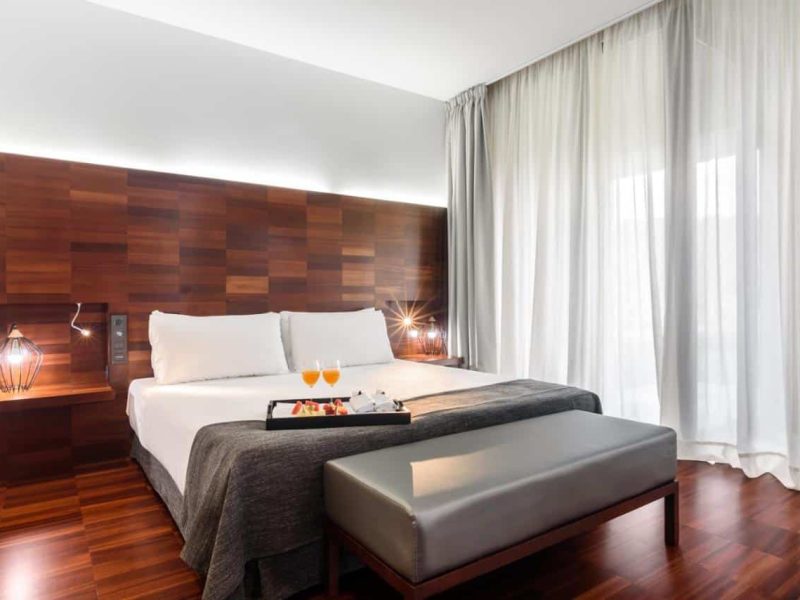
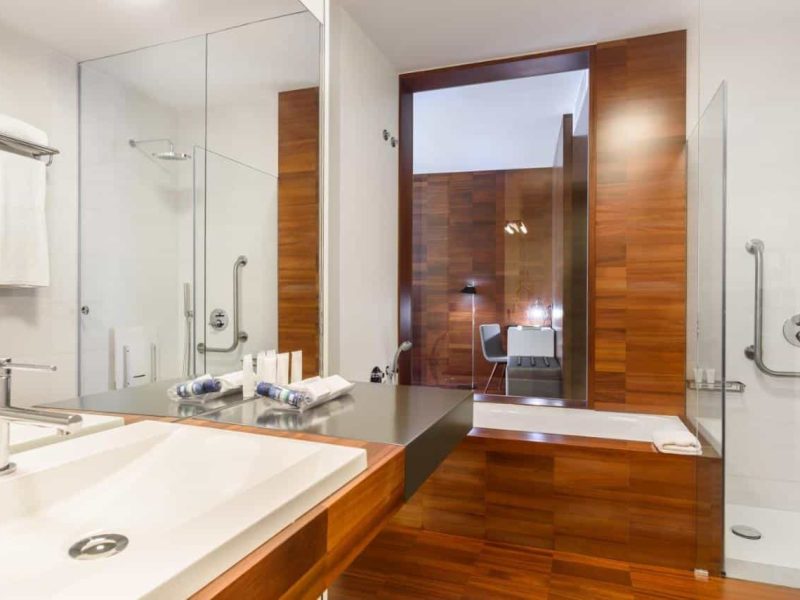
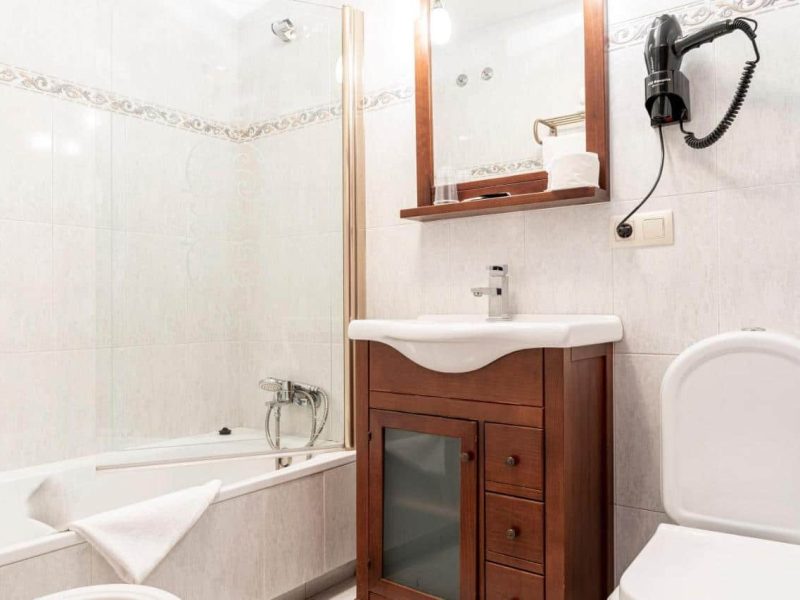
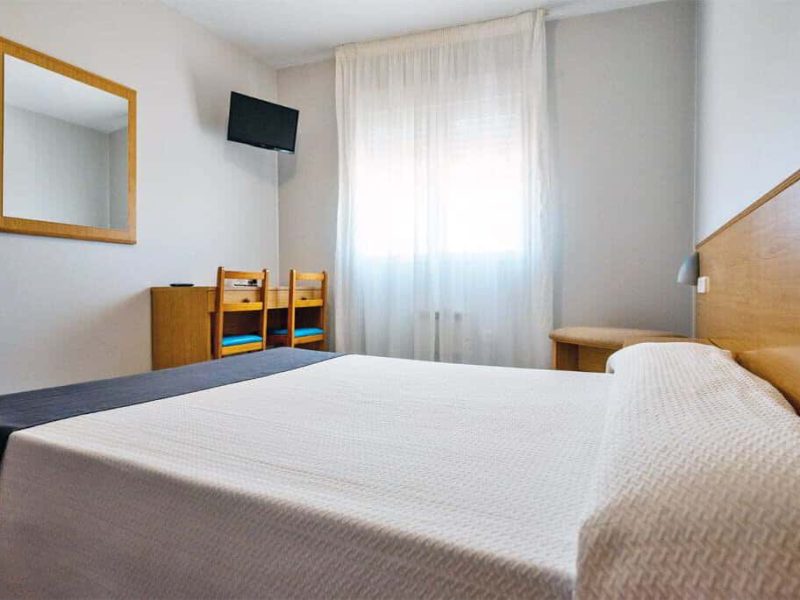
Accommodations in Hotels, Rural Houses, Hostels
Special breakfast
Travel assistance insurance in Spain
Emergency roadside assistance vehicle
Informative digital dossier on the road
On-way Telephone Assistance
Luggage transfer on the stages
✓ 1 suitcase per person, maximum 20Kgs
Transfer by boat from Vilanova de Arousa to Pontecesures.
Special gifts, including the Pilgrim's Credential, the Pilgrim's Scallop and a typical Galician product.
No cancellation fees
✓ Up to 10 days before starting the Camino
IVA
Transfer from Santiago Airport
1 day excursions (Bus)
✓ Finisterre (Costa da morte) and/or Rias Baixas.
Extra night in Santiago
✓ Consult Rate.
Single room supplement
✓ Consult
Additional baggage
✓ Consult rate if you bring more than 1 suitcase per person
Cancellation Insurance
Remember that the cost of the optional services chosen will be added to the base price of your route. We are committed to making your pilgrimage an unforgettable and carefree experience. Welcome to the Wey!
Discover the Wey of Santiago towards the majestic Santiago de Compostela.
Vigo is the ideal starting point for those who want to connect with the Camino from the heart of the Rías Baixas. Upon arrival, you will discover a city with an Atlantic character, where port activities, urban commerce, and spaces filled with history coexist. Its waterfront promenade, traditional squares, and relaxed atmosphere invite you to start the experience calmly.
Depending on your arrival time, you can organize a light visit to the historic center, dine in a typical tavern, or simply rest. The accommodation has been carefully selected to offer you comfort, a good location, and the necessary tranquility before starting the first stage.
Praza da Constitución: the nerve center of the historic center, surrounded by noble buildings and cozy terraces.
This section combines coast and rural surroundings, from Vigo to Arcade, passing through Redondela where it joins the Central Portuguese Camino. The terrain features a mix of well-marked forest paths, urban stretches, and compact dirt tracks. Flat areas alternate with some gentle ascents (Positive elevation gain ≈ 357 m), while enjoying spectacular views of the Vigo estuary.
The route passes through the Teis neighborhood and joins the “Route of Water” that runs along the Traída das Augas, next to the mountains of A Madroa and Trasmañó. It then continues through Cabanas, Rande, and A Formiga, reaching Redondela. Next, the route continues along the road towards Arcade, crossing under the railway viaducts until reaching the final urban area of the stage.
The panoramas include the view of the Cíes Islands, the San Simón inlet, the Morrazo peninsula, and the Rande cable-stayed bridge, which was the longest in the world at the time. The route offers a balance between moderate physical effort and constant visual reward.
Highlighted points of interest
Breakfast and start of the stage
We highlight the crossing of the medieval Pontesampaio bridge, located at the exit of Arcade, famous for the significant battle fought during the War of Independence, where the French troops were defeated and forced to retreat from Galicia). We need to be careful, as just before entering Pontevedra, we must take the fluvial path of the Rio do Gafos, right after the Chapel of Santa Marta, a pleasant walk that will bring us to the gates of Pontevedra.
Arrival in Pontevedra. End of the stage. Accommodation
The day begins in Arcade, crossing Ponte Sampaio to reach Pontevedra. The route combines historic paths —such as the Brea Vella da Canicouva, an ancient Roman road— with paved tracks and well-preserved paths, alternating light ascents with gentle descents.
The surface varies between cobblestones, compact earth, and local tracks, without requiring extreme physical effort. It is ideal for those looking for a harmonious stage between nature and history. The climb just after Ponte Sampaio requires a bit more effort, but rewards you with views of the Verdugo river valley and native woodlands.
During the route, you will see the medieval Ponte Sampaio bridge, with its ten semicircular arches over the Verdugo River, linking Arcade with this historic parish. As you approach Pontevedra, the path becomes more urban, with the final stretch along the fluvial path of the Río dos Gafos, surrounded by lush vegetation until the city.
Highlighted points of interest
The stage begins at the Plaza de la Peregrina in Pontevedra. After crossing the city, you enter the Comarca de O Salnés. The route ascends gently towards Montecelo, alternating between paved tracks and paths through forests and small valleys. You will pass by the Chapel of San Paio and cross several local roads before reaching Campaño and continuing towards the Monastery of Poio.
From Poio, the terrain descends to the estuary, passing through Combarro, famous for its granaries on the coast. Then, the prolonged ascent to Armenteira begins, with stretches of local road and rural paths. The surface alternates between asphalt, compact earth, and loose stones on the uphill sections. The total elevation gain is about 560 m.
The views offer a balance between rural landscapes, Albariño vineyards, cornfields, and the Galician coast. Combarro, facing the estuary, provides memorable panoramas, while the final stretch towards the Monastery is surrounded by mountain and native vegetation, providing a sense of seclusion and spiritual connection.
Highlighted points of interest
This section starts next to the Monastery of Santa María de Armenteira and largely follows the famous Ruta da Pedra e da Auga. It is a charming trail of about 8 km that runs along the river between lush vegetation and numerous restored ancient mills. The path begins with a gentle descent through alders, willows, and oaks, alongside waterfalls and old stone bridges.
After passing Ribadumia and Pontearnelas, the landscape changes to Albariño orchards and vineyards, signaling the approach to the Arousa estuary. The Umia River is crossed several times by local bridges, alternating between path sections and small rural roads along the coast.
The route is mostly flat or slightly downhill until reaching the coast. Some short ascents around A Igrexa and Mouzos require attention, but they do not present high physical difficulty. The views offer a harmonious transition: from the freshness of the river valley to the vastness of the estuary, passing through charming villages and coastal paths with beaches such as Terón or Secada.
Highlighted points of interest.
This day is unique within the Camino de Santiago: the stage begins by boat, following the historic route known as Translatio, the journey that, according to tradition, the body of the Apostle Santiago made by sea to Galicia. We will sail through the Arousa estuary and the Ulla river until we disembark at the Pontecesures dock.
The nautical journey consists of 17 stone crucifixes that commemorate this spiritual episode, making the crossing an introspective and symbolic experience. It is an opportunity to relax and contemplate the estuary and its landscapes, connecting with centuries of Jacobean history.
Once in Pontecesures, we continue on foot for a little over 2 kilometers to reach Padrón. The terrain is easy, without any elevation changes or technical complications.
Highlighted points of interest
The route combines rural tracks, road shoulders, and local paths, with no abrupt elevation changes, except for a gentle ascent towards Milladoiro (known as the Monte do Gozo of the Portuguese Camino) which offers the first panoramic view of the Santiago Cathedral.
The surface alternates between cobbled paths, compact earth, and some asphalt on well-marked local roads. The rural landscape passes through agricultural and wooded areas, paths between traditional villages, and road margins, gradually approaching the urban area of Santiago.
The views are varied: from the Sar River and its wooded areas to distant perspectives of Compostela from Monte do Gozo, a resting point for many pilgrims. The final section, after crossing the Ponte Vella over the Sar River and passing through the Conxo neighborhood, culminates in the iconic Rúa do Franco and Plaza del Obradoiro.
Highlighted points of interest
Waking up in Santiago de Compostela, after the excitement of reaching the Plaza del Obradoiro, is a moment that invites reflection. After breakfast, our services conclude, but not the experience: the city still has much to offer.
Santiago is much more than its Cathedral. It is a lively, monumental, and welcoming city, with an atmosphere of contemplation, art, and Jacobean memory woven through its streets. It’s the perfect place to calmly close this chapter of the Camino.
This itinerary will take you through the most popular stages, allowing you to experience the beauty and culture of the Wey of Santiago. Be sure to book accommodation in advance, as it can get crowded, especially in the high season.
Safe travels and buen Wey!
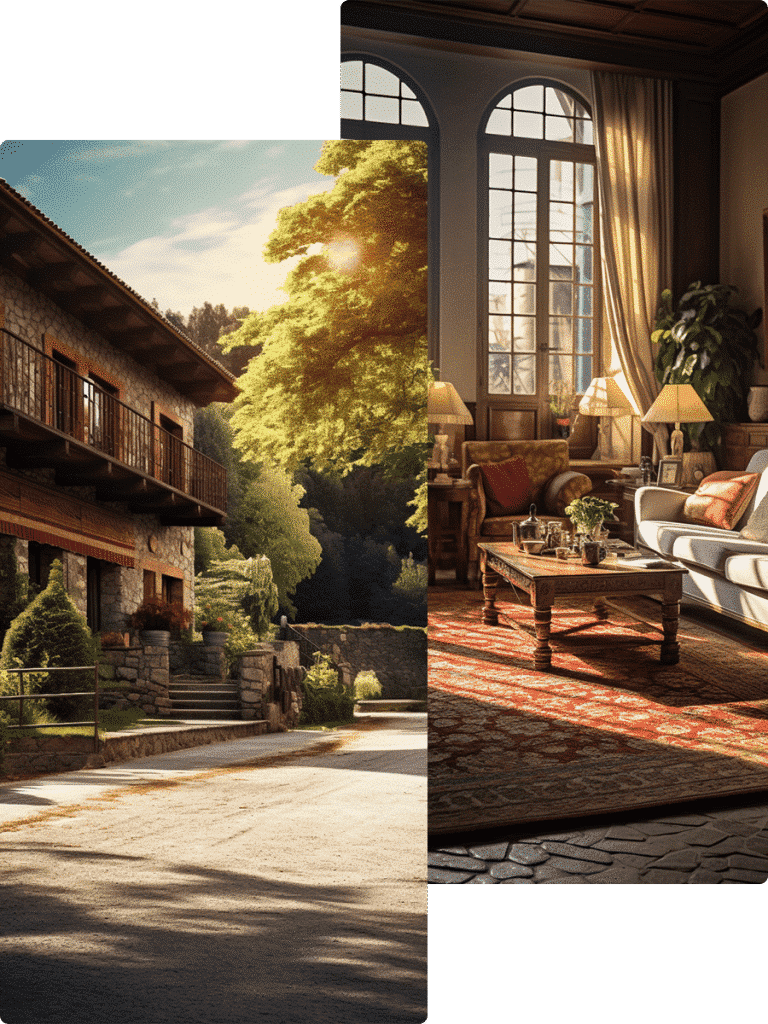
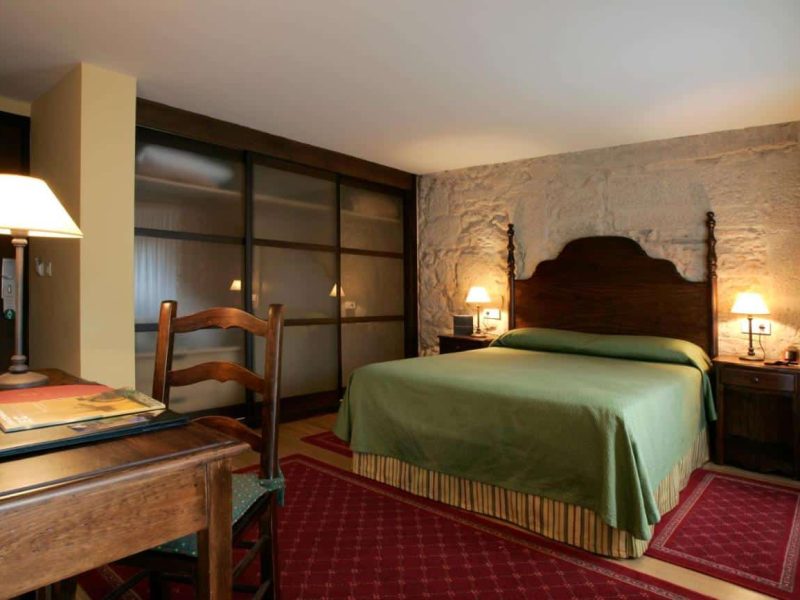
In our constant effort to provide the best experience to our customers, we want to assure you that we are committed to your rest and comfort. The accommodations we offer have been carefully selected and provide private rooms with private bathrooms, along with all the necessary services to make the most of your stay. It is important to note that we will never put you up in hostels.
Since these accommodations have a limited capacity, we will provide you with the exact name once you confirm your reservation and we verify availability on the dates of your choice. Your satisfaction is our priority!
This video will give you a more detailed and visual look at what to expect on your adventure. Don’t miss it!