Finishing a stage of the Camino de Santiago brings a powerful mix of euphoria and exhaustion. Your feet ache, your muscles complain, yet your spirit feels invincible. The first temptation when you reach your accommodation is obvious: a quick shower and collapsing into bed until the next day. However, while sleep is essential, the real key to full recovery and to enjoying the experience day after day lies in a deeper concept: active recovery.
This guide is designed for the pilgrim who values both the experience and personal wellbeing, and who opts for comfort and careful planning. We will also focus on how to make the most of the advantages of quality accommodation to turn recovery into an enjoyable and integral part of the Camino.
Throughout this article, you will discover why moving a little more after walking can be the best-kept secret to arriving in Santiago energised and injury-free.
Índice de contenidos
- 1 What is active recovery and why is it vital for pilgrims?
- 2 Active recovery strategies to use after each stage
- 3 Nutrition as a cornerstone of rest and recovery
- 4 Exclusive services that make the difference
- 5 Foot care: an absolute priority
- 6 Smart planning: active rest starts before you walk
- 7 Invest in your wellbeing to truly enjoy the Camino
What is active recovery and why is it vital for pilgrims?
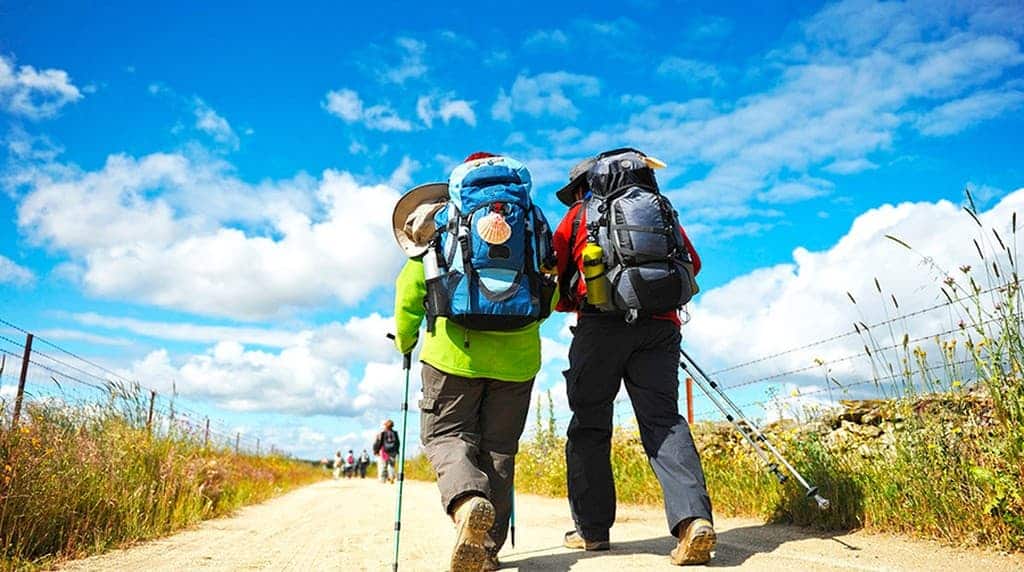
The term “active recovery” may sound contradictory, but it is one of the most effective recovery strategies backed by sports science.
Unlike passive rest (sleeping, sitting or simply lying down), it involves carrying out very low-intensity activities after considerable physical exertion. The aim is not to continue exercising, but to gently stimulate the body in order to speed up its natural repair processes.
According to studies published in the *Journal of Strength and Conditioning Research*, athletes who practise active recovery between training sessions experience less muscle soreness and improved subsequent performance than those who opt for complete rest. This scientific evidence applies directly to pilgrims: each day of walking is like a training session, and how you recover will determine how you feel on the next stage.
For a pilgrim, this strategy translates into simple yet powerful actions:
- Improved blood flow: a very gentle walk or light stretching helps blood circulate more effectively, delivering oxygen and nutrients to tired muscles and helping to eliminate lactic acid.
- Reduced muscle stiffness: staying completely still for hours after a long walk can cause muscles to “cool down” and stiffen. Gentle movement keeps them supple and prevents dreaded muscle soreness.
- Mental recovery: the Camino is also a mental challenge. Activities such as a relaxed stroll or a yoga session help process the day’s emotions, reducing stress and improving sleep quality.
- Injury prevention: many of the injuries pilgrims suffer (tendonitis, plantar fasciitis, overload injuries) are due to the accumulation of tension day after day.
This is where the pilgrim who trusts Mundiplus has a clear advantage. There is no need to worry about finding a free bed or queueing for a shower. You have the time, space and privacy of your room to focus on what truly matters: your wellbeing. While others battle fatigue in a noisy environment, the organised pilgrim can put these techniques into practice in an atmosphere of calm and comfort.
Quality passive rest: the foundation of everything
Before delving deeper into active techniques, it is essential to highlight the foundation of any good recovery: deep, restorative sleep. Active recovery complements sleep, but never replaces the 7–8 hours needed for the body and brain to regenerate. During sleep, the body releases growth hormone, which is essential for repairing muscle tissue damaged during the walk.
Sleep quality on the Camino de Santiago largely depends on the type of accommodation chosen. Sleeping in a public hostel, with bunk beds, snoring and strict schedules, is part of a style of pilgrimage that has its own charm, but it can compromise physical recovery more than you might think. Sleep studies show that night-time interruptions fragment sleep cycles and reduce their restorative effect.
For those looking to optimise recovery, the guarantee of a private room and en-suite bathroom is not a luxury. Being able to sleep without interruptions, on a comfortable mattress and in a quiet environment ensures that passive rest is truly effective. This peace and quiet is one of the pillars behind the Camino de Santiago tips that prioritise the pilgrim’s overall wellbeing.
Travelling in an organised way allows pilgrims to establish healthier sleep routines: dining at a reasonable time, enjoying a relaxing herbal tea, reading a little before bed and waking naturally, without the stress of having to leave the hostel at six in the morning.
Active recovery strategies to use after each stage
Once you arrive at your hotel and have enjoyed that well-earned shower, it is time to put active recovery into practice. With just 30–40 minutes of mindful dedication, you can completely change how you feel the following morning.
Gentle stretching: an essential ritual
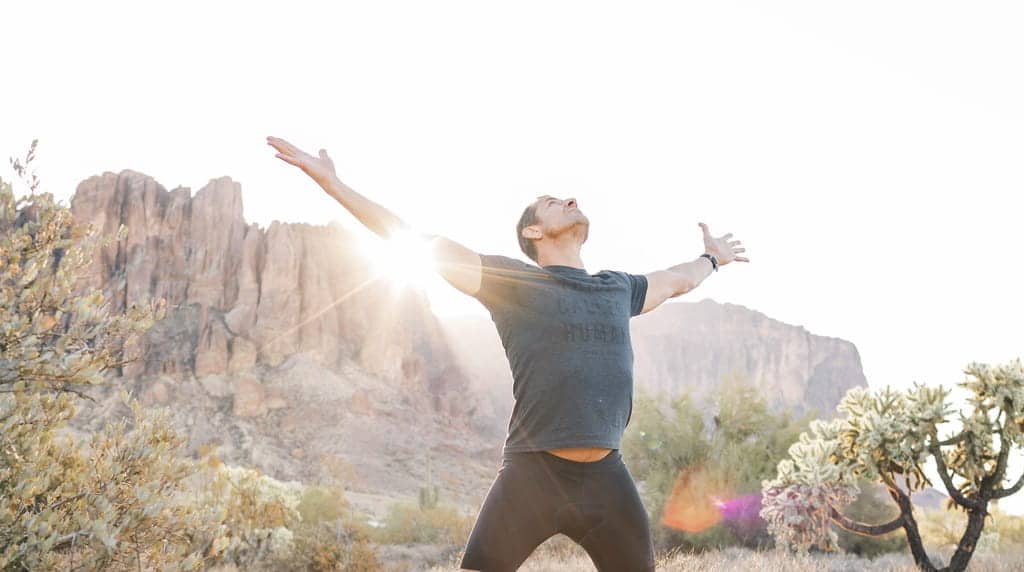
After hours of repetitive movement, the muscles in your legs, back and shoulders become shortened and tense. Dedicating 10–15 minutes to stretching in your room is non-negotiable if you want to wake up without stiffness. Physiotherapists agree that stretching after walking prevents overload injuries and significantly shortens recovery time.
Stretching routine for pilgrims (10–15 minutes):
- Calves: lean against a wall, step one leg forward and stretch the other back, keeping the heel on the floor. Hold for 30 seconds on each leg.
- Quadriceps: standing up, bring one heel towards your glutes, keeping your knees together and your back straight. Hold for 30 seconds on each leg.
- Hamstrings: sitting on the edge of the bed, extend one leg and gently lean your torso forward. Hold for 30 seconds on each leg.
- Lower back: lying on your back, hug your knees towards your chest for 30–40 seconds.
- Shoulders and neck: gently roll your shoulders backwards and tilt your head from side to side.
- Hip flexors: in a lunge position with one knee on the floor, gently push your hips forwards.
Regenerative walks and local exploration
After stretching, and before dinner, another excellent practice is to take a very short, slow walk (15–20 minutes) around the village or town where you are staying. The aim is not to add kilometres, but to walk in a completely different way: without a backpack, wearing comfortable footwear and at a relaxed pace.
This walk fulfils several functions at once. It reactivates circulation in the legs without tiring them, helping to drain fluids that accumulate in the feet and ankles. It also allows you to discover the local gastronomy and culture, an essential part of the Camino experience that is often missed due to sheer exhaustion.
Yoga and meditation: connecting body and mind
Yoga is one of the most complete forms of active recovery. It combines deep stretching, joint mobility, gentle strengthening and mindful breathing in a single practice. You do not need to be an expert; simple poses such as “downward-facing dog” or “child’s pose” are incredibly effective for releasing tension in the back and legs.
You can follow a guided 15–20 minute routine on your phone or simply practise the poses that feel best for you. One of the great advantages of staying in a private room is having the space and privacy needed to practise without interruptions.
Meditation, for its part, will help you calm your mind, process the day’s experiences and prepare yourself for deeper, more restorative sleep. Even 5–10 minutes of mindful breathing before going to bed can reduce cortisol levels and improve sleep quality.
Water therapies: a spa for your legs
If your accommodation has a bathtub, you’ve found a real treasure. A warm bath helps to relax the muscles overall. If you also add Epsom salts (magnesium sulphate), you will enhance the anti-inflammatory and relaxing effect. Magnesium is absorbed through the skin and helps to prevent night-time cramps.
Another very effective technique is the contrast shower for the legs: alternate 1–2 minutes of hot water with 30 seconds of cold water, repeating the cycle 3–4 times and always finishing with cold water. This creates a pumping effect in the blood vessels that speeds up the cleansing of muscle tissues.
Self-massage and myofascial release
Self-massage is another powerful tool you can practise in your room. If you’ve had the foresight to pack a tennis ball or a small foam roller, you can use them to release points of tension in the soles of your feet, calves and quadriceps.
For the soles of the feet, place the tennis ball on the floor and roll it under your foot with moderate pressure for 2–3 minutes on each foot. This relieves tension in the plantar fascia, one of the structures that suffers most on the Camino.
Nutrition as a cornerstone of rest and recovery
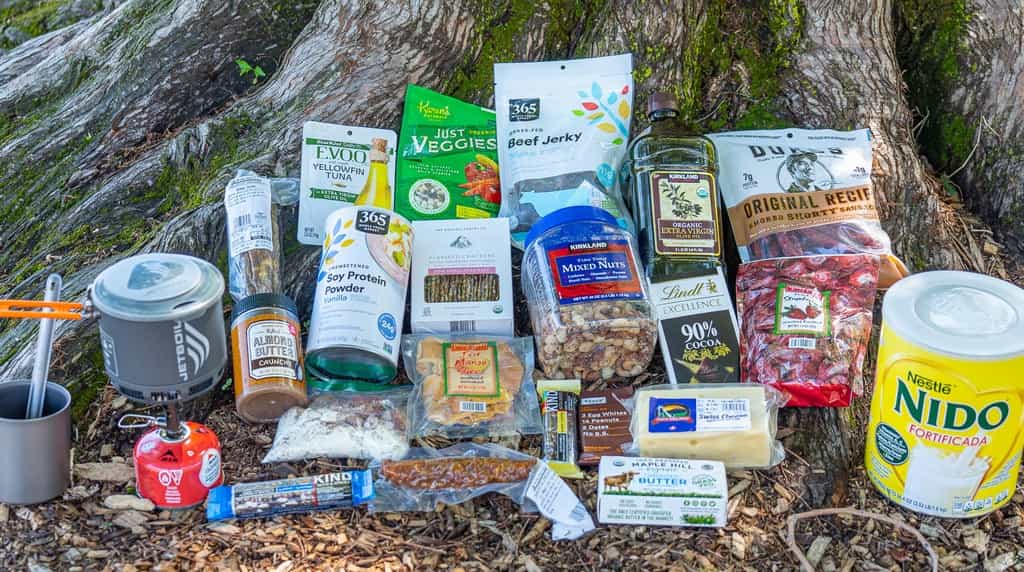
What you eat after each stage is just as important as stretching. Your body is like a racing car that needs the right fuel to repair itself. On a normal day of hiking, you can burn between 400 and 700 extra kcal compared to usual, and this expenditure is repeated day after day. If you don’t replenish properly, accumulated fatigue, cramps and the feeling that you’re “running out of fuel” will soon appear.
At midday, remember the concept of the metabolic window: during the two hours following exercise, your body absorbs nutrients much more efficiently. This is the ideal time for a recovery meal.
In the evening, an ideal dinner for a pilgrim should include:
- High-quality proteins: to repair muscle fibres. Grilled fish, chicken breast, eggs or a good plate of pulses.
- Complex carbohydrates: to replenish glycogen stores. Rice, boiled potatoes, wholemeal bread or quinoa. Traditional Galician stews are perfect because they combine carbohydrates, protein and fluids.
- Vegetables and greens: rich in vitamins, minerals and antioxidants that combat inflammation.
- Healthy fats: extra virgin olive oil, nuts and avocado provide sustained energy and have anti-inflammatory properties.
Hydration is also key. Continue drinking water throughout the afternoon and consider a relaxing herbal tea before going to bed. Avoid excessive alcohol consumption, as it dehydrates and hinders recovery processes.
Exclusive services that make the difference
The growing focus on wellbeing has led to the emergence of specialised services for pilgrims seeking superior recovery. When travelling in an organised way, it’s much easier to access them.
- Muscle recovery massages: many hotels work with local physiotherapists who offer sports massages specifically for pilgrims. A 30–45-minute leg massage can make the difference between having to abandon the Camino due to injury or continuing with renewed energy.
- Pressotherapy: an increasingly popular treatment consisting of pneumatic boots that apply sequential air pressure to the legs. They provide lymphatic drainage that reduces swelling and the feeling of heaviness almost immediately.
- Spas and thermal centres: in some towns along the Camino, especially on routes such as the Camino de Santiago from Logroño or the Camino de Santiago from Burgos, there are hotels with small spas. A thermal circuit is the perfect finishing touch to a day of intensive recovery.
Even coastal routes, such as walking the Camino del Norte from Gijón, offer the chance to end the stage with a walk along the beach and a dip of your feet in the cold waters of the Cantabrian Sea. Without a doubt, one of the best forms of natural cryotherapy.
Foot care: an absolute priority
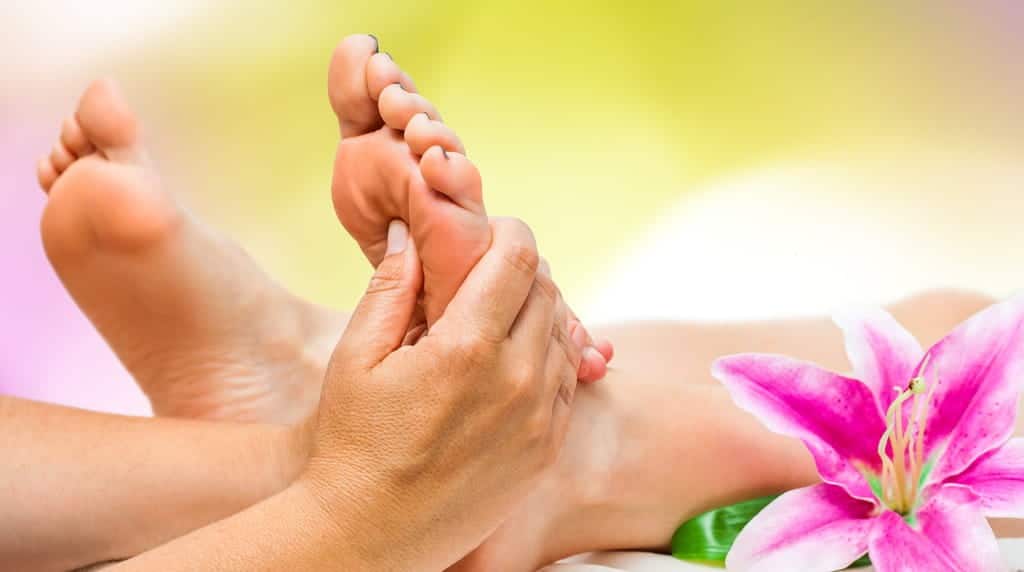
No guide to recovery on the Camino would be complete without special attention to the feet, the true protagonists of the pilgrimage. Foot care is a form of active rest in itself, and dedicating time to it every day can prevent the dreaded blisters, chafing and infections that force many pilgrims to give up.
When you arrive at your accommodation, after your shower, take a few minutes to examine your feet carefully. Look for red areas, early blisters or pressure points. If you detect a small blister, leave it intact and protect it with a specific dressing. If the blister is large and painful, you can drain it with a sterilised needle, apply disinfectant and cover it with a dressing.
After the inspection, apply a moisturising cream or petroleum jelly to your feet, especially on the heels and areas of greatest friction. This keeps the skin supple and reduces the risk of cracks and chafing. Finally, put on clean, dry socks to sleep.
Smart planning: active rest starts before you walk
One of the advantages of travelling in an organised way is that you can plan your stages intelligently, adapting them to your fitness level and leaving room for recovery. Active rest is not only practised after walking; it is integrated into the overall planning of the journey.
Consider including a full rest day every 4–5 days of walking, especially if you are doing a long Camino. You can use this day to explore the city you are in, visit monuments, enjoy the local cuisine and practise all the recovery techniques we have described.
In addition, plan your stages realistically. It is better to reach your accommodation with plenty of time to stretch, shower and enjoy a relaxed dinner than to drag your feet for the last few hours just to hit a certain number of kilometres. Remember: the Camino is not a competition.
Invest in your wellbeing to truly enjoy the Camino
The Camino de Santiago is not just a test of physical endurance, but a life experience that deserves to be enjoyed to the fullest. Today’s pilgrim understands that looking after yourself is not a sign of weakness, but of intelligence. Active rest is the tool that allows you to enjoy every landscape, every conversation and every step, rather than suffering through them.
By choosing an organised trip, you are not only buying comfort and logistics; you are investing in your own wellbeing. You are buying the time and the environment needed to stretch, to stroll, to eat well and to sleep deeply. You are, ultimately, giving yourself the opportunity to live the experience to its fullest, ensuring that the only pain you remember upon arriving in Santiago is the pain of emotion.
This good habit transforms the pilgrimage from a survival test into an experience of personal growth. Every stretch, every evening walk, every nourishing dinner and every night of restorative sleep brings you a little closer to the best version of yourself. And that, after all, is what the Camino de Santiago promises to those who walk it with awareness and care.