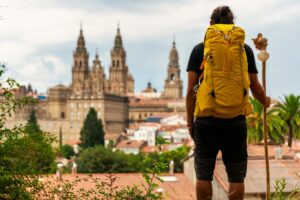
The Camino de Santiago is much more than a simple pilgrimage route; it is a transformative experience that leaves an indelible mark on those who undertake it. Every year, hundreds of thousands of people of all ages and nationalities set out to walk its paths, seeking adventure, spirituality, or simply a break from the hectic pace of modern life.
However, the true journey does not end upon reaching the majestic Cathedral of Santiago de Compostela. The lessons learned, the bonds forged, and the values absorbed along the way have the power to transcend the physical experience and permeate all aspects of our lives.
This guide is designed to explore in depth how the values of the Camino de Santiago can serve as a compass for personal development and as a catalyst for success in your professional career. Throughout these pages, we will uncover the essence of this millennia-old route and discover how its teachings can help us navigate life’s challenges with greater wisdom, resilience, and humanity.
Índice de contenidos
- 1 The Core Values of the Camino de Santiago
- 2 The Camino as a Metaphor for Life: Lessons for Personal Growth
- 3 Applying the Values of the Camino in the Professional Environment
- 4 A Universe of Routes: Exploring the Various Caminos de Santiago
- 5 Preparing for Your Own Camino (Inner and Outer)
- 6 The economic and social impact of the Camino
The Core Values of the Camino de Santiago
The Camino de Santiago is a melting pot of cultures and a meeting point for people from all over the world. This diversity, combined with the shared experience of the pilgrimage, has forged a set of universal values that define the essence of the Camino. These principles, passed from pilgrim to pilgrim over the centuries, are the true treasure one takes home.
The “Charter of Values of the Camino de Santiago”, a document prepared by the RURITAGE initiative, formalises many of these principles. Among the most notable are:
- Solidarity and Fellowship: here, no one is alone. Pilgrims help one another, share food and water, and provide support in times of difficulty. This camaraderie creates a strong sense of community and reminds us of the importance of collaboration and mutual support.
- Effort and Self-Improvement: each stage is both a physical and mental challenge. Overcoming fatigue, harsh weather, and personal limitations teaches the value of perseverance and resilience. We discover an inner strength we didn’t know we had.
- Hospitality: the tradition of hospitality is one of the Camino’s pillars. The albergue volunteers welcome pilgrims with generosity and warmth, offering a roof and a hot meal without expecting anything in return. This value teaches the importance of giving and receiving with an open heart.
- Generosity: the experience encourages us to share whatever we have, no matter how small. From a piece of bread to a word of encouragement, small acts of generosity make a significant difference in the pilgrim’s experience.
- Austerity and Simplicity: for weeks, everything a pilgrim needs fits into their backpack. This experience teaches us to value the essentials and let go of the superfluous, reminding us that happiness does not reside in material possessions.
These values, and many others experienced along the way, are not exclusive to the route. They are, in essence, universal human values that we can and should cultivate in our everyday lives.
The Camino as a Metaphor for Life: Lessons for Personal Growth

The Camino de Santiago is a powerful metaphor for life itself. Each stage, with its ups and downs, changing landscapes, and unexpected encounters, reflects the journey of our own existence. The lessons we learn on the trail are, in reality, lessons for life.
Self-Improvement and Resilience
Facing a long day of walking under a blazing sun or continuous rain tests our endurance. However, every time we overcome an obstacle, our confidence and resilience grow stronger. We learn that we are capable of far more than we believed and that, with determination, we can overcome any adversity life throws at us.
Self-Knowledge and Reflection
Long hours of solitary walking, surrounded by nature, provide a unique opportunity for introspection. Away from the noise and distractions of everyday life, we can connect with our deepest thoughts and emotions. The experience invites us to reflect on our priorities, fears, and dreams, and to make important decisions for our future.
Simplicity and Detachment
Life on the Camino is simple. We rise with the sun, walk, eat, rest, and share with other pilgrims. This routine helps us reconnect with a more natural rhythm of life and realise how little we need to be happy.
We learn to appreciate the small things: a sincere conversation, a breathtaking view, a warm meal at the end of the day. This detachment from material things frees us and allows us to focus on what truly matters.
Patience and Perseverance
The Cathedral of Santiago is not conquered in a day. It is a journey that requires patience and consistency. Every step, no matter how small, brings us closer to our destination. This lesson is fundamental in life: great achievements are not accomplished overnight, but through sustained effort over time. The Camino teaches us to be patient, trust the process, and not give up in the face of difficulties.
Applying the Values of the Camino in the Professional Environment
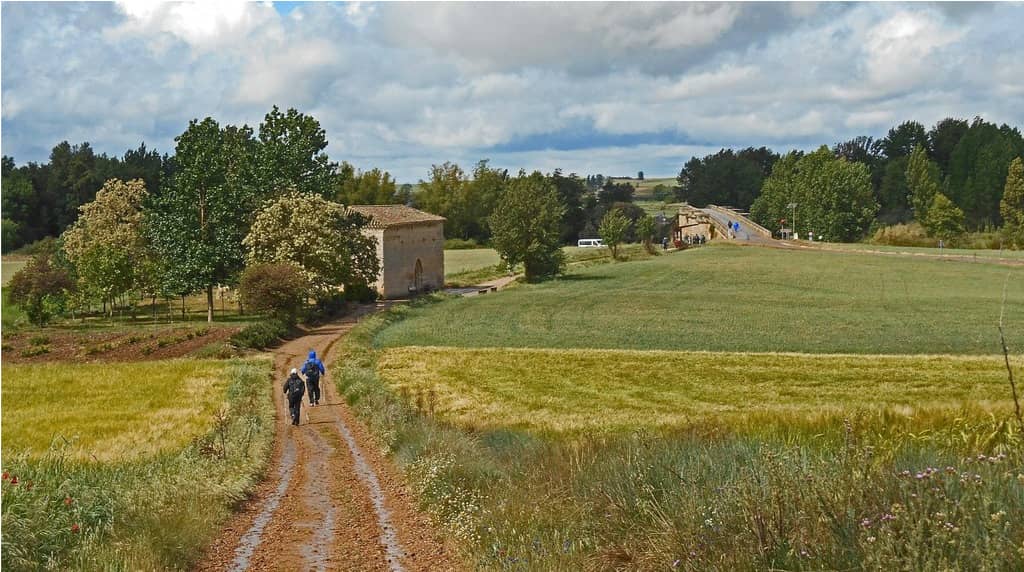
The professional world, with its competitiveness and demands, can sometimes feel like a hostile place. However, the values of the Camino de Santiago can transform the way we work and interact with colleagues, creating a more humane, collaborative, and productive environment.
Teamwork and Collaboration
On the Camino, pilgrims form a community where everyone supports each other. This same dynamic can be applied in the workplace. Encouraging collaboration instead of competition, sharing knowledge, and helping colleagues in need creates a more positive and efficient work environment.
It’s no surprise that more and more companies are organising the Camino de Santiago as a team-building activity to strengthen bonds among their employees.
Leadership and Empowerment
The experience teaches us that leadership is not based on authority but on example. A true leader inspires others, helps them bring out their best selves, and is willing to roll up their sleeves and work alongside their team. The Camino empowers us to take initiative, assume responsibility, and contribute to the greater good.
Adaptability and Problem Solving
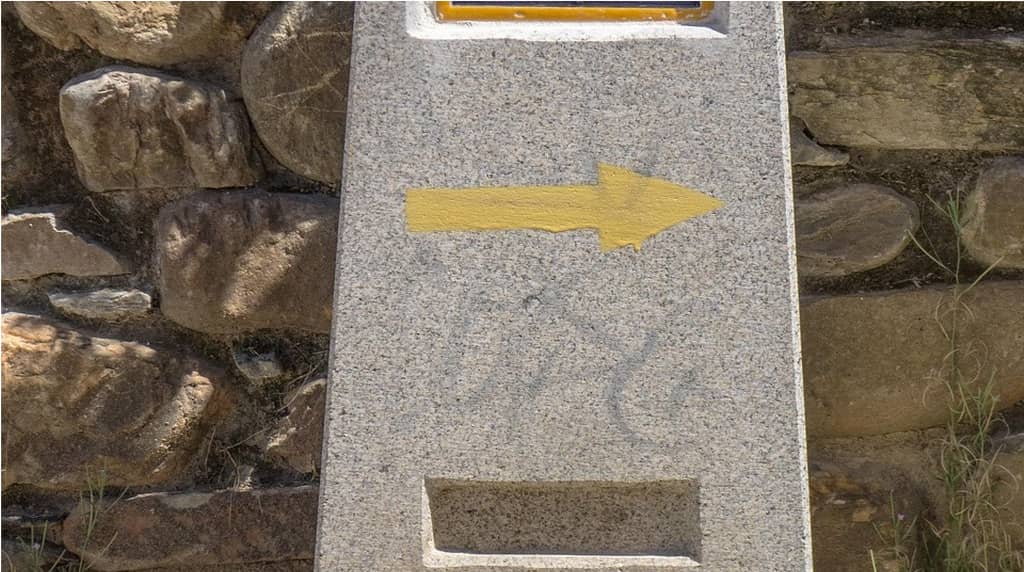
Things don’t always go as planned. A sign might be unclear, or the weather may change suddenly. These situations require us to be flexible, adapt to circumstances, and find creative solutions to problems. This adaptability is one of the most valued skills in today’s professional world.
Communication and Empathy
The Camino is a melting pot of cultures and personalities. Interacting with people from different countries, with diverse perspectives, enriches us and helps develop our communication and empathy skills. Learning to listen actively, put ourselves in others’ shoes, and communicate clearly and respectfully is fundamental to building strong and productive work relationships.
A Universe of Routes: Exploring the Various Caminos de Santiago
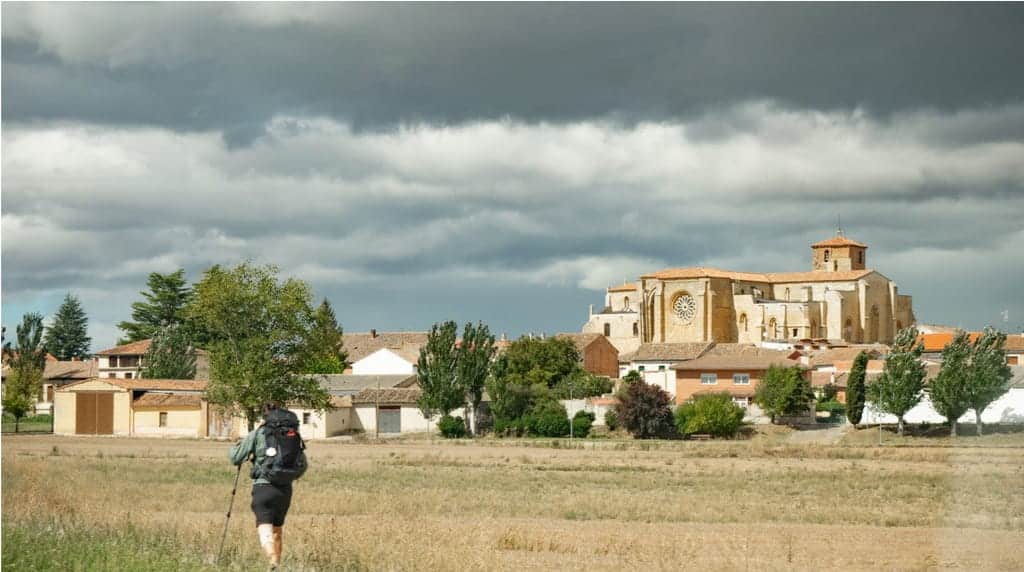
Although the Camino Francés is the most well-known, there are many Camino routes that cross the Iberian Peninsula and Europe. Each has its own history, landscapes, and charm. Understanding the particularities of each route allows us to choose the one that best suits our preferences and physical condition.
- Camino Francés: the quintessential route, the most travelled, and with the best accommodation and service infrastructure. It enters Spain through Roncesvalles and Somport and traverses the north of the peninsula over roughly 800 kilometres. Ideal for those seeking a social experience. Sections like the Camino Francés from Logroño or the Camino Francés from Burgos are very popular among pilgrims.
- Camino del Norte: this route follows the Cantabrian coast, offering spectacular sea and mountain scenery. It is more physically demanding but also quieter and less crowded. The section of the Camino del Norte from Gijón is a great option to enjoy the beauty of the Asturian coast.
- Camino Portugués: the second most popular route after the Francés. There are two main variants: the inland route and the coastal route. Both offer an unforgettable experience, with mild climate and rich gastronomy.
- Camino Primitivo: the oldest route, followed by King Alfonso II the Chaste in the 9th century to visit the newly discovered tomb of the Apostle. It is a challenging journey through the mountains of Asturias and Galicia but of incomparable beauty.
- Vía de la Plata: this route runs from south to north across the peninsula, following the old Roman road connecting Mérida to Astorga. It is a long and solitary alternative, ideal for those seeking introspection and disconnection.
- Camino Inglés: a short route starting from the ports of Ferrol or A Coruña. It was followed by pilgrims from the British Isles and other Northern European countries.
Preparing for Your Own Camino (Inner and Outer)
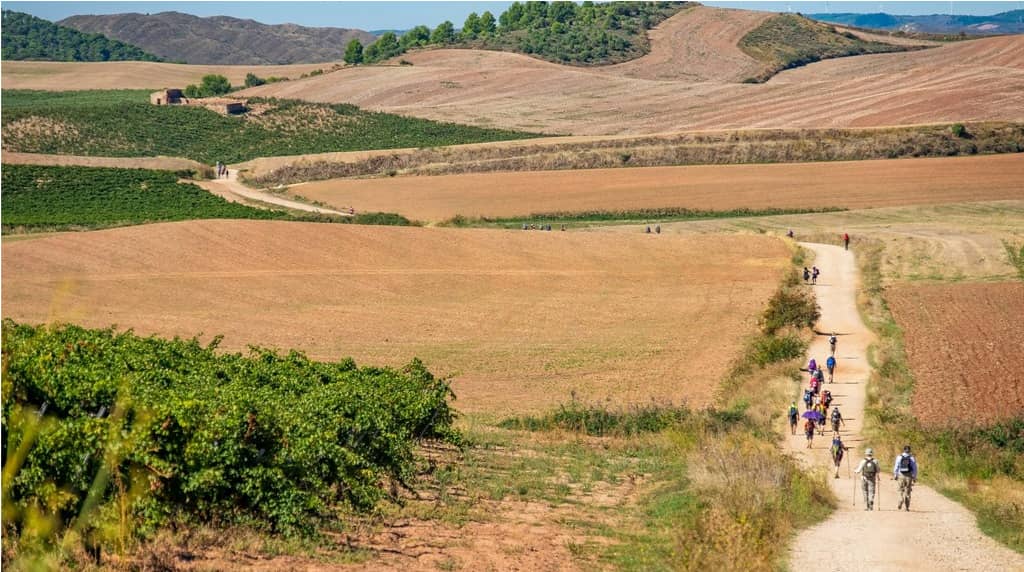
If, after reading this guide, you feel the call of the Camino, congratulations! You are about to embark on one of the most enriching adventures of your life. For your experience to be successful, it is important to prepare adequately, both physically and mentally.
Regarding physical preparation, it is advisable to start training a few months before setting out on the Camino. Take progressively longer walks using the same shoes and backpack you will carry on your pilgrimage. This will help prevent injuries and ensure you arrive at the starting point in good condition.
Mental preparation is just as important. Familiarise yourself with the route you plan to take, plan your stages, and book accommodations and other services if you’re travelling in peak season. However, it’s also essential to leave room for improvisation and be open to the unexpected. The Camino is an adventure, and part of its charm lies in the unforeseen.
But you don’t need to walk hundreds of kilometres to start applying the values of the Camino to your life. You can begin today, in your immediate surroundings. Set yourself a small personal challenge and strive to achieve it. Practice active listening with your colleagues. Volunteer for a cause you’re passionate about. Every small gesture counts.
The Camino de Santiago not only transforms the pilgrims who walk it but also the communities it passes through. According to official data, each year over 400,000 people receive the Compostela in Santiago, and many more walk sections without fulfilling the requirements to obtain it. This constant flow of visitors generates a significant impact on the regions along the route.
The towns and cities along the Camino have seen a flourishing economy based on services for pilgrims: accommodations, restaurants, equipment shops, backpack transport services, and specialised guides. This economic activity has helped revitalise rural areas that might otherwise have experienced greater depopulation.
But the impact goes beyond economics. It has encouraged volunteering and community involvement, with thousands of people dedicating their time to maintaining the trails, marking the routes, and assisting pilgrims in the hostels. This spirit of selfless service is one of the purest expressions of the Camino’s values.
Additionally, it has been recognised as a UNESCO World Heritage Site and as the First European Cultural Route by the Council of Europe. Both designations emphasise its importance as a unifying element of European identity and values.
The Camino de Santiago is a school of life. An experience that teaches us to be stronger, humbler, more compassionate, and more human. The values forged along its paths are a treasure that stays with us forever, illuminating our personal and professional journey.
Whether you decide to lace up your boots and set off, or simply adopt the pilgrim spirit in your daily life, the experience itself invites you to live more consciously, fully, and authentically. Because, as pilgrims well know, the true Camino begins when you return home.