Indicates the number of persons
Full and customizable services for a worry-free experience on the Wey of Santiago.
Accommodations in Hotels, Rural Houses, Hostels
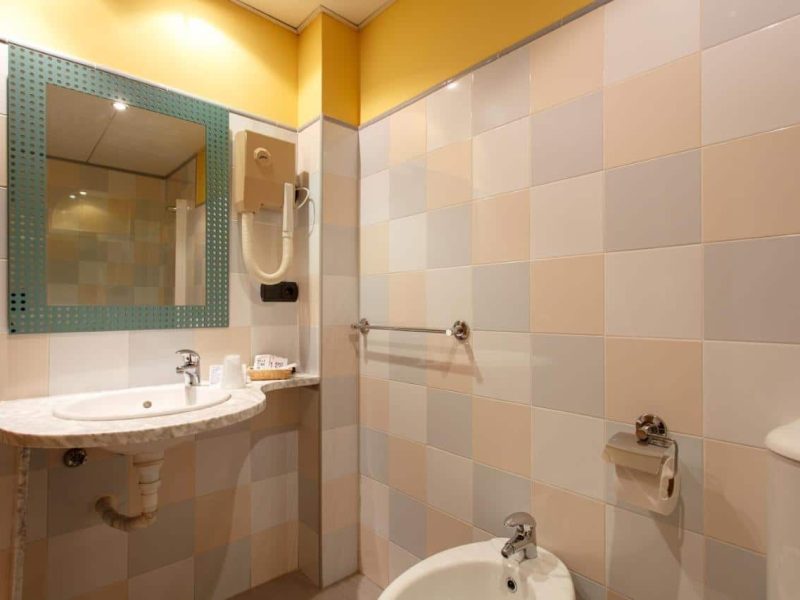
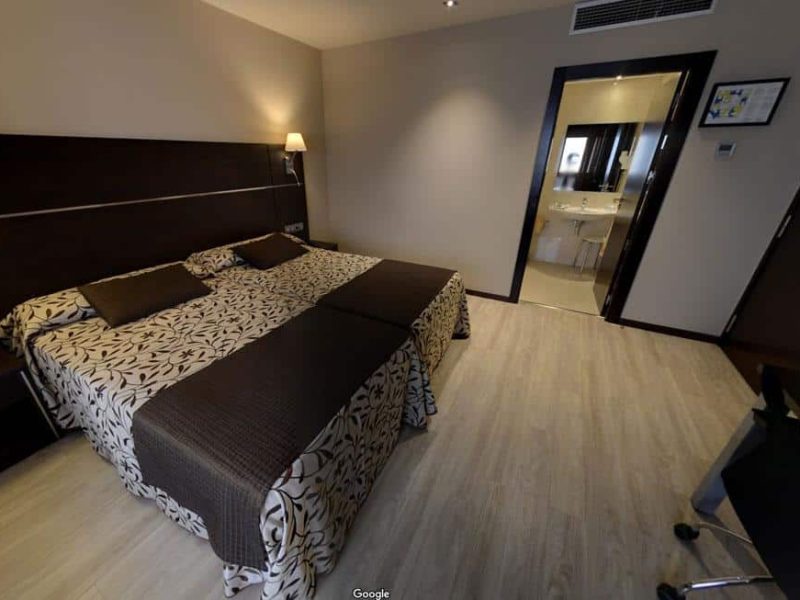
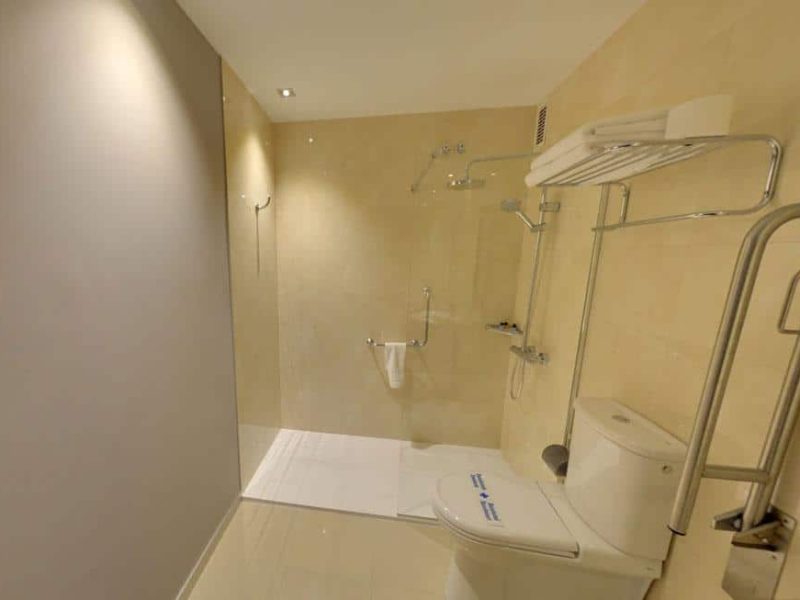
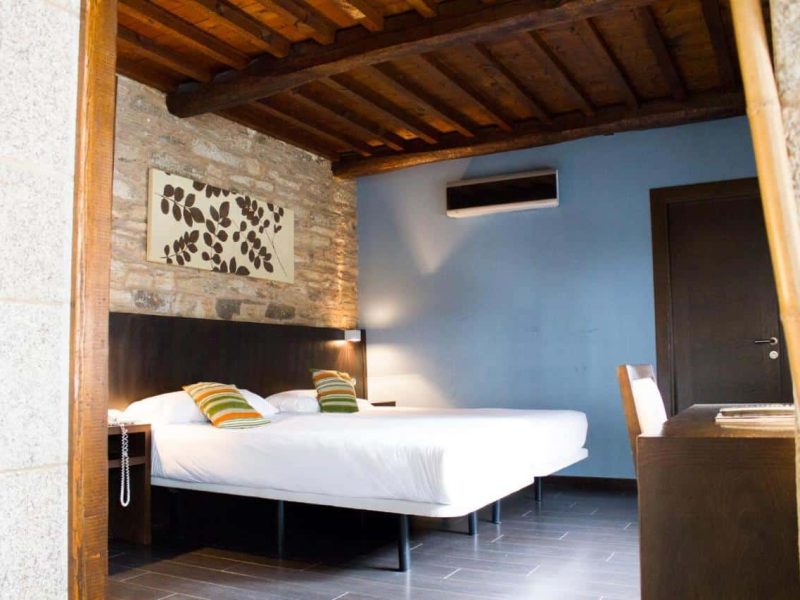
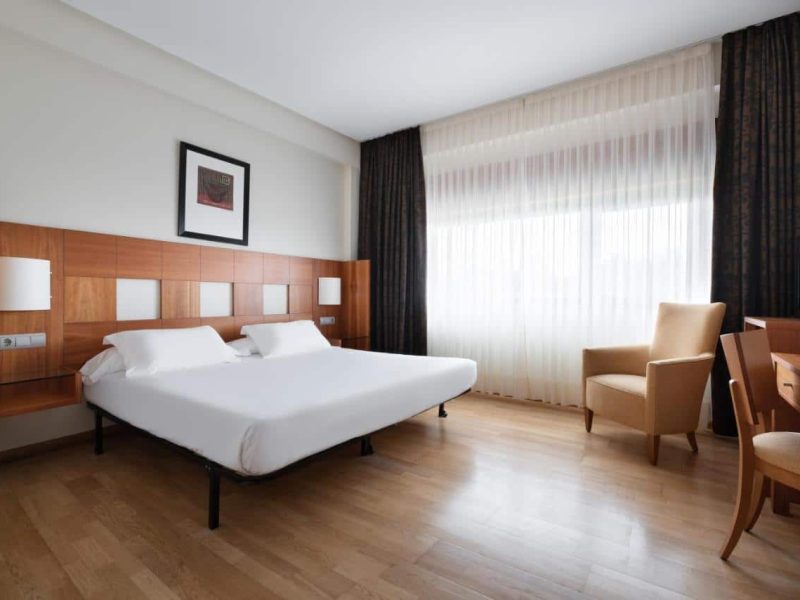
Rooms with private bathroom.
Travel assistance insurance in Spain
Informative digital dossier on the way
On-Route Telephone Assistance
Luggage transfer on the stages
✓ 1 suitcase per person, maximum 20Kgs
Special gifts, including the Pilgrim's Credential, the Pilgrim's Shell, and a Typical Galician Product.
No cancellation fees
✓ Up to 10 days before starting the Camino
Single room supplement
✓ Consult
Additional baggage
✓ Consult rate if you bring more than 1 suitcase per person
Cancellation Insurance
Remember that the cost of the optional services chosen will be added to the base price of your route. We are committed to making your pilgrimage an unforgettable and carefree experience. Welcome to the Wey!
Discover the Wey of Santiago towards the majestic Santiago de Compostela.
Welcome to the beginning of your journey. Get ready for an unforgettable adventure!
Breakfast and start of the first stage of the way of Santiago from Santander.
Like all departures from large cities, it passes through industrial estates and industrial areas. The rest of the stage mainly runs through paved areas and rural paths with moderate slopes.
Passing through Peñacastillo, Santa Cruz de Bezana, and Boo de PIélagos, we will arrive in Mogro.
Arrival in Mogro. Lodging.
Breakfast and start of the stage.
This stage runs on paved paths and is dotted with numerous small towns, as is much of Cantabria.
The route goes through Cudon-Mar-Requejada, Barreda, and Viveda, ending in Santillana de Mar, where the Romanesque Collegiate Church of Santa Juliana and nearby, the Altamira Cave, as well as the Houses of Aguiola and La Parra are highlighted.
DID YOU KNOW…on our way of Santiago from Santander, you can visit Santillana del Mar.
Arrival in Santillana del Mar, ranked among the most beautiful in Spain along with its Collegiate Church declared a National Monument. Lodging.
Breakfast and start of the stage.
A pleasant and attractive stage, for its splendid landscapes, though with quite a bit of asphalt, where we will see some typical Cantabrian mansions. The passage through Luaña Beach becomes pleasant.
We highlight the magnificent Baroque Church of San Martin de Ciguenza. In Cobreces, the Via Coeli Abbey and the Church of San Pedro Ad Vincula.
In Comillas, Gaudi’s Capricho, The Palace, and the Chapel-Pantheon of the Marquises of Sobrellano.
Comillas is known as the “Villa of the Archbishops.”
Arrival in Comillas. Lodging.
Breakfast and start of the stage.
On our way of Santiago from Santander, we encounter a stage with a marked rural character and less asphalt.
Successive small ascents and descents mark the route.
The route will take us through San Vicente de la Barquera-La Acebosa-Hortigal–Serdio-Pesús and Unquera-passing by the Oyambre Natural Park, between Comillas and San Vicente.
We highlight the Puente de la Maza, in San Vicente de la Barquera, as well as the Church-Fortress of Santa Maria de los Angeles, the Castle, and Puebla Vieja.
Arrival in Unquera. End of the stage.
Breakfast and start of the stage.
A pleasant stage with beautiful landscapes and slight slopes.
We advance close to the sea but do not see it until we arrive in Llanes. Beautiful and well-kept towns.
Wonderful views from Colombres, with wooded trails.
In Colombres, we will find beautiful Indianos houses. In Llanes, we highlight its monumental complex, Church of Santa Maria del Consejo, and the Cubes of Memory.
Arrival in Llanes. End of the stage.
Breakfast and start of the stage.
A stage that crosses numerous small towns such as Celorio-Barro-Niembro-Naves-Nueva-Cuerres, where Indianos houses abound in a marked agricultural-livestock environment with a smooth itinerary and moderate slopes.
We highlight the Torimbia Beach in Niembro and the Church of Dolores in Barro.
Arrival in Ribadesella with its well-known descent of the Sella river. End of the stage.
Breakfast and start of the stage.
The way of Santiago from Santander enters the cider region. Flat terrain without any complication.
Much of the stage runs along the coastal area, with a beautiful route from Berbes to La Espesa, where we will find a bit more slope.
The itinerary passes through the towns of (San Pedro de Leces-Vega de Ribadesella–Berbes-La Espesa–La Isla–Huerres)
If we have time, it’s worth approaching Lastres, considered one of the most beautiful towns in Spain.
Arrival in Ribadesella. End of the stage.
Breakfast and start of the stage.
A stage away from the coast, with more mountainous terrain compared to previous stages, with asphalt being a common companion.
An area of fertile, moist valleys, apple orchards, and chestnut trees.
We highlight in Priesca its pre-Romanesque Church of San Salvador, the Romanesque Church of Santa Maria de la Oliva (Villaviciosa), and San Juan de Amandi (at the exit of Villaviciosa).
Arrival in Villaviciosa. End of the stage.
Breakfast and start of the stage.
We are probably facing the toughest stage of our entire journey on the way of Santiago from Santander, which changes the profile we had in previous stages. The itinerary heads to A Casquita, after Amandi, where the most important Crossroads of the Northern Way of Santiago is located, whether you head to Oviedo or Gijón. We will arrive at Nievares, from where the climb to Alto de la Cruz is taken.
Alto del Infanzón will be another important point of the stage.
Arrival in Gijón. End of the stretch of the way of Santiago from Santander. If you have more days, you can extend your way of Santiago from Gijón.
We’re coming to the last day of your trip! Enjoy breakfast and conclude this unforgettable experience with us.
Thank you for being part of this adventure!
This itinerary will take you through the most popular stages, allowing you to experience the beauty and culture of the Wey of Santiago. Be sure to book accommodation in advance, as it can get crowded, especially in the high season.
Safe travels and buen Wey!
In our constant effort to provide the best experience to our customers, we want to assure you that we are committed to your rest and comfort. The accommodations we offer have been carefully selected and provide private rooms with private bathrooms, along with all the necessary services to make the most of your stay. It is important to note that we will never put you up in hostels.
Since these accommodations have a limited capacity, we will provide you with the exact name once you confirm your reservation and we verify availability on the dates of your choice. Your satisfaction is our priority!
The Sanabrés Way is a variant of the Silver Route. It starts from Zamora and reaches Santiago de Compostela through this province and Ourense. Like all other organized trips to the Way of Saint James, here you can enjoy authentic local cuisine. Of course, this route is full of interesting gastronomic options, even if you are not a pilgrim.
In this guide, we will talk about the most typical dishes of the Sanabrés Way. We will also suggest where to eat on the Sanabrés Way, from Ourense to Santiago.
Opting for the typical dishes of the region will always be the best option to know its history and culture. Is a way to blend in more with both the adventure of doing the Camino de Santiago and with the locals.
Among the typical dishes that you must try without fail are:
Native to San Cristóbal de Cea, in Galicia, from where it gets its name. This bread is made from sourdough, wheat flour, and salt. However, what makes it different is both the fermentation and baking time. In both cases, they are much longer than traditional methods.
They are baked in a wood-fired oven at a very slow fire with a single slash positioned perpendicular to the width of the bread. They have a thick crust, fluffy and dense crumb, and a quite intense flavor that will surprise you.
Of course, in Spain, we love stews, we adore them, regardless of the season, we will always enjoy them. Moreover, each region has its own version.
The Galician stew, in particular, is one of the most well-known throughout the peninsula. It is a hearty and abundant dish, perfect for regaining strength after a long day of effort.
Here, turnip greens or cabbage (depending on the season) are mixed with traditional beans and potatoes, chicken, beef, pork, or even all of them, chorizo, and soup noodles. The latter are dispensable. To accompany it, bread will always be the most appropriate.
The peppers of Arnoia, with a protected designation of origin, have a conical shape, resembling a sort of bell. They are so important that, in fact, they have their own festival in their honor, the Arnoia Pepper Festival. This festival is celebrated on the first weekend of August.
Being so popular, there are many ways to prepare them. However, stuffed is the most common way you will see them. For this, rice and some meat, usually finely minced beef or pork, is used.
You can enjoy them at any time of the year, and at any hour. They are always a true delight.
The name might not ring a bell, but this is one of the most traditional sweets in all of Galicia and even Spain. These are chestnuts that have been candied or glazed, extremely popular in Italy and France.
Their popularity significantly increased in 1980, making them one of the most consumed today. Of course, nowadays, they are easy to find in most food establishments in the region.
Although their preparation is laborious, it is not exactly difficult. They are made from chestnuts, sugar, and a lot of, but a lot of patience.
The final stretch of the Way of St. James can be one of the most challenging, both due to exhaustion and the anxiety of wanting to arrive quickly. Of course, on the stretch from Orense to Santiago, apart from the breathtaking landscapes, you also have good dining options.
Here are some recommendations to make the most of your journey through the area:
Located in the beautiful town of Puente Ulla, where it seems time has stopped and there is no rush or much less routine. Villa Verde Restaurant is a place to enjoy the most delicious traditional gastronomy and they will offer you extremely dedicated service.
It is located at number 10 Figueiredo Street. It’s central, beautiful, and offers a wide menu. This establishment pays tribute to Galician culture, with fresh ingredients from nearby gardens and preparations that combine tradition with unique, signature touches.
Once in Ourense, we recommend dining at A Palleira, especially if you enjoy good portions of meat. However, they have options for all types of dietary needs.
It is located on Avenida de Buenos Aires, with spacious and very cozy facilities, not to mention the good service provided by the staff. On their menu, you will find fish, seafood, meats, stews, portions, and of course, many desserts so that you can enjoy the complete experience.
A surprise halfway through, that’s how we could define Tavern Acevedo. This cozy and picturesque space stands out for its pleasant environment, quiet and where silence is always the protagonist.
The food, delicious, traditional, and above all abundant, is a true delight for these final stages of the Way of St. James. Here you will find the necessary strength to finish. Open every day and of course, its managers are extremely friendly, especially with pilgrims.
Traditional Galician cuisine at its finest, passed down through the hands of the same family for three generations.
You can find it at number 10 Vilatuxe Street. They offer a menu that will leave you quite satisfied where you can choose from fish, seafood, stews, and all types of meats. The establishment has its own butcher shop, which ensures fresh and top-quality cuts.
But, in addition, to help a bit with the economy of the pilgrims, this establishment also offers a daily menu, which is abundant and always delicious.
Finally, but no less important, they also have their own wine cellar, so good wines are never lacking.
STAGE FROM OURENSE TO CEA
In Ourense, we can see its Cathedral as well as the Roman Bridge and As Burgas.
The 16th-century Church of Santa Maria, which preserves remnants of the old Romanesque temple, and the 18th-century Baroque Pazo.
Cea is famous for making one of the best breads in Spain. The town has 20 bread ovens, exporting to many cities in Spain. Located in the center of the Plaza Mayor is the Clock Tower, composed of bells and four clocks (one on each side), as well as four fountains at its base.
Upon leaving Cea, in the direction of Piñor, is the Chapel of La Saleta.
Monastery of Oseira: 8.5 kilometers from San Cristovo de Cea is the most important monument of the Sanabrés Way. The Santa Maria la Real de Oseira monastery, founded in the 12th century and belonging to the Cistercian Order, is known as the “Galician Escorial” for its grandeur.
It consists of three cloisters (the Knights’, the Regular or Medallions’, and the Pinnacles’),
Romanesque church, and a chapter house. In the refectory, you can visit the Lapidarium or Museo da
Pedra.
STAGE FROM CEA TO LALIN STATION
Lalín, the capital of Terra de Deza, is the largest municipality in the province of Pontevedra. It is famous for its stew, based on pork products. As a testament to its importance, the “Cocido Fair” is held every year from January 15th to February 14th, attracting thousands of people during those dates and considered a “National Tourist Interest Festival”. Besides these dates, this delicacy can be enjoyed throughout the year in the many restaurants in the city.
As the most representative places to visit, we highlight:
– Monument to O Porco: Monument dedicated to the Cocido Fair.
– Avant-garde building (Castro Tecnológico), which houses the Town Hall of Lalín, designed by architects Emilio Tuñón and Luis Mansilla.
– Municipal Museum of Lalín: Mainly dedicated to Don Ramón Aller Ulloa, who created the first astronomical observatory in Galicia in the 19th century, which is still in operation.
STAGE FROM LALIN STATION TO SILLEDA AND PONTE DE ULLA
Taboada Bridge, which crosses the Deza river and, near Silleda, the 18th-century Pazo de Transfontao, which includes a circular dovecote, granary, and chapel, owned by the Montenegro family.
Chapel of Santiaguiño: A small 18th-century hermitage located in San Pedro de Vilanova (Vedra), with a rectangular plan and a semicircular arch. It has a Baroque fountain outside, where we can see a representation of the Apostle Santiago and his disciples, and references to the Translatio, as, according to legend, his remains were transported through these places in a cart, pulled by oxen, to Mount Libredón.
STAGE FROM PONTE DE ULLA TO SANTIAGO
In Santiago de Compostela, we find the most important monument of our entire route, the Cathedral of Santiago, dedicated to the Apostle James. It was consecrated in 1128 and is a good example of a pilgrimage church. Romanesque in style, with later Renaissance and Baroque elements from the 18th century. It has a Romanesque Latin cross plan, with three naves divided by semicircular arches, tribune, transept, and ambulatory. Worth noting is the Portico of Glory by Master Mateo, the best example of Spanish Romanesque.
As a tradition, every pilgrim who wishes and is able to attends the 12 o’clock mass in the Cathedral. In it, with a bit of luck, one can witness the magnificent botafumeiro in action. Another tradition is to embrace the image of the Apostle James and visit his crypt. A must-visit is the museum, as well as a visit to the Cathedral’s rooftops.
The Monastery of San Martin Pinario, in front of Plaza de la Azabachería.
The façade of the Parador de los Reyes Católicos, in Plaza del Obradoiro, which was founded as a pilgrim’s hospital.
The entire old town is spectacular, transporting us to the medieval era without us realizing it. In it is located the Abastos Market of Santiago.

We indicate the different options on how to get to Ourense and start your journey on the Sanabrés Way:
Option 1: Personal car and park the vehicle in Ourense, near the accommodation where we host you.
Option 2: Bus
From Madrid to Ourense with the company Alsa
Option 3: Train (Renfe) Station.
Option 4: Airplane
The nearest airport to Ourense is the one in Vigo.
From here, there are three possibilities to get to Ourense:
– By bus and train, an option seen previously.
– Private transfer: pick up at Vigo airport and direct transfer to the accommodation in Ourense. Please ask us for the price of the service.
Although, as we’ve mentioned, the Sanabrés Way is gaining more and more popularity, especially with the arrival of the high-speed train to the town of Ourense, the quintessential route is the Way from Sarria to Santiago. The positive side of the Way from Ourense is its lower overcrowding.
This video will give you a more detailed and visual look at what to expect on your adventure. Don’t miss it!