Every great journey begins only with dreaming about it.


Indicates the number of persons

Full and customizable services for a worry-free experience on the Wey of Santiago.

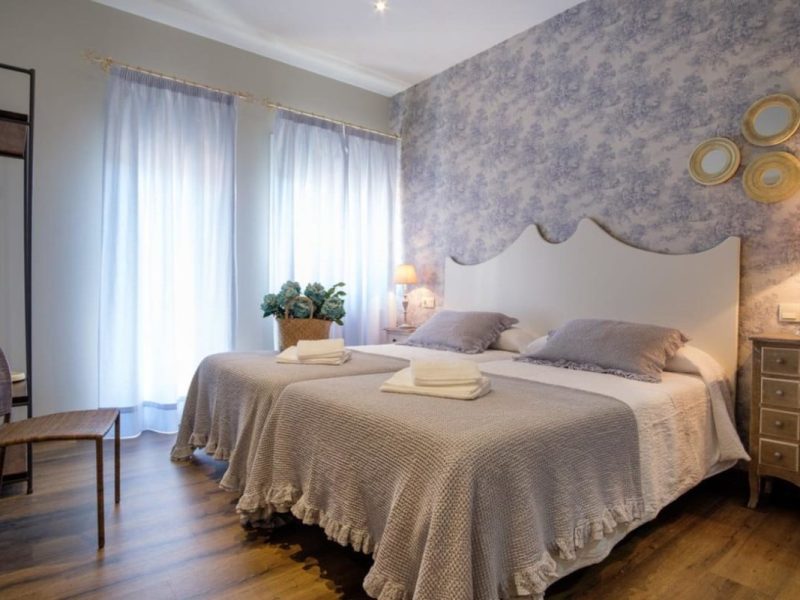
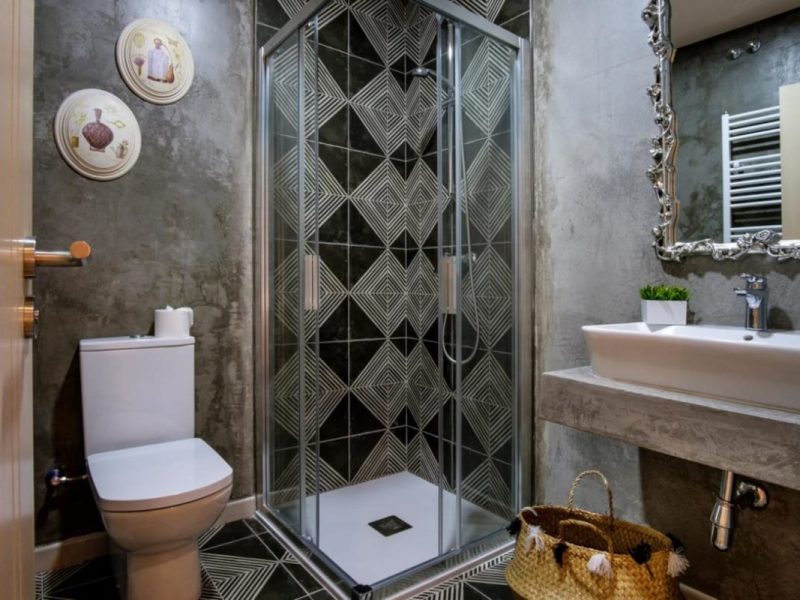
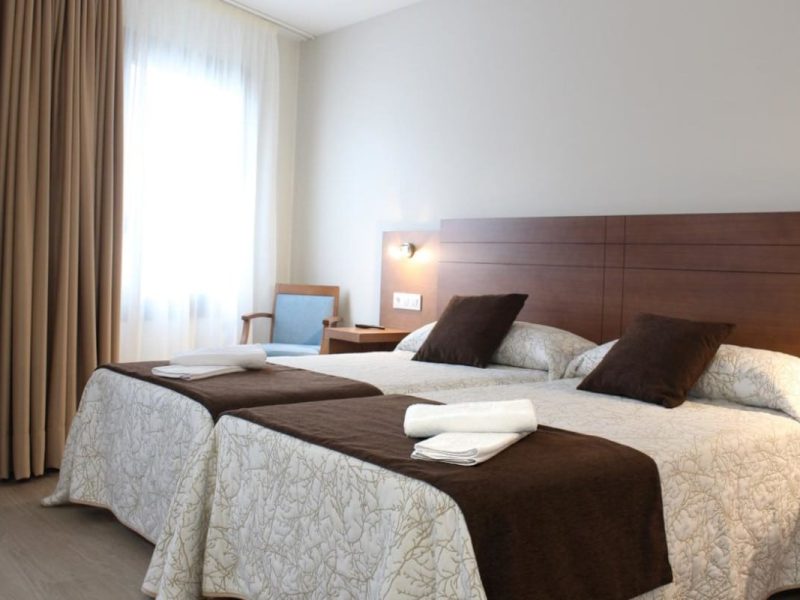
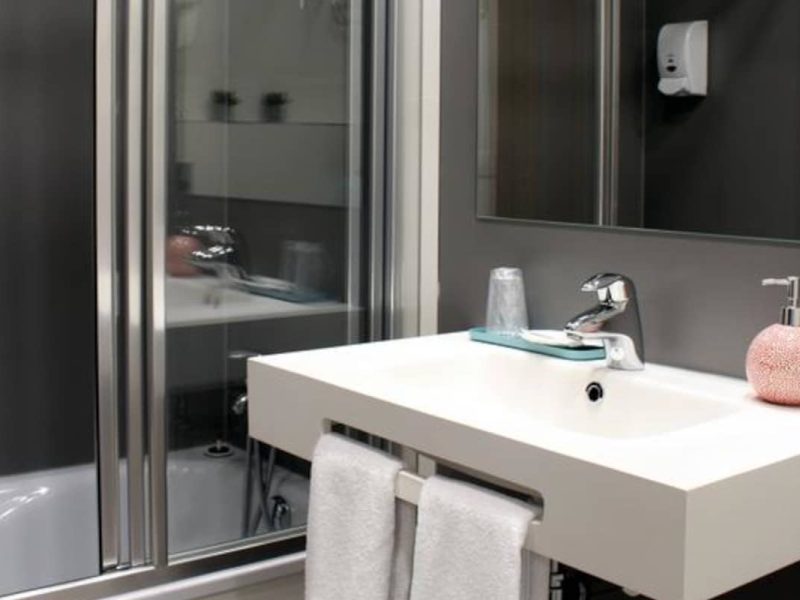
Accommodation in Hotels, Rural Houses, Hostels

Special breakfast

Travel assistance insurance in Spain

Roadside assistance vehicle in case of emergency

Digital information dossier of the Camino

On-Route Telephone Assistance

Luggage transfer on the stages
✓ 1 suitcase per person, maximum 20Kgs

Special gifts, including the Pilgrim's Credential, the Pilgrim's Shell, and a Typical Galician Product.

No cancellation fees
✓ Up to 10 days before starting the Camino

IVA

Dinner supplement
✓ Consult

Split Stage Palas de Rei-Arzua (2 stages)
✓ Check rate.
Transfer from Santiago Airport to O Cebreiro
✓ Check rate.
Extra night in Santiago
✓ Check the rate.

Additional baggage
✓ Check rate if you have more than 1 suitcase per person

1 Day Trips (Bus)
✓ Finisterre (Costa da morte) and/or Rias Baixas.

Cancellation Insurance
Remember that the cost of the optional services chosen will be added to the base price of your route. We are committed to making your pilgrimage an unforgettable and carefree experience. Welcome to the Wey!
Discover the Wey of Santiago towards the majestic Santiago de Compostela.
O Cebreiro es una puerta a otro tiempo. Su silueta de piedra y pizarra, asentada entre montañas, recibe al peregrino con un silencio que invita al recogimiento. Llegar hasta aquí ya es un regalo: respirar el aire fresco de la sierra, dejar que la niebla dibuje los contornos del paisaje y pasear entre pallozas centenarias que aún conservan el alma de sus antiguos moradores.
Antes de comenzar a caminar, este primer día es ideal para aclimatarse, recorrer el pequeño núcleo y visitar su joya espiritual: la Iglesia de Santa María la Real, escenario del célebre milagro eucarístico que aún hoy inspira a miles de caminantes.
Tras esta primera toma de contacto, solo queda disfrutar del merecido descanso en un alojamiento confortable, sabiendo que al día siguiente empezará una de las travesías más inolvidables de tu vida.
Esta primera etapa en marcha es una auténtica declaración de intenciones. Para empezar, la ruta se eleva suavemente hasta alcanzar dos de los puntos más emblemáticos del trazado: el Alto de San Roque y el Alto do Poio. La subida, aunque prolongada, se hace llevadera entre pastos, bosques de hayas y robles, y panorámicas que ofrecen una visión majestuosa del entorno montañoso que te rodea.
La segunda mitad del recorrido cambia radicalmente: empieza un descenso que atraviesa aldeas como Hospital da Condesa, Fonfría y Filloval. El terreno alterna caminos de tierra, tramos de asfalto y senderos rurales entre prados y valles. Aquí, la Galicia más auténtica se deja ver en sus casas de piedra, sus hórreos y el murmullo de los arroyos que cruzan el paisaje.
Triacastela recibe al peregrino con calma y sabor a historia. Fundada ya en época medieval, su nombre recuerda a tres castillos hoy desaparecidos, y su iglesia románica es testigo del paso de generaciones de caminantes desde la Edad Media.
Esta etapa se distingue por su perfil suave y su riqueza espiritual y natural. Te sugerimos la variante que atraviesa Samos, más larga pero también más cautivadora, ideal para quienes buscan una experiencia pausada, inmersa en naturaleza y patrimonio. Si escoges la variante de San Xil, caminarás menos, pero te perderás uno de los principales puntos de interés de esta etapa.
Los primeros kilómetros discurren junto al río Oribio, entre suaves lomas, hasta internarnos en frondosos bosques de robles y castaños que envuelven al peregrino en un silencio profundo y sereno.
La llegada a Samos marca un punto culminante del día: un pueblo que parece crecer en torno a su monumental monasterio benedictino. Desde aquí, la senda serpentea por pequeñas aldeas, prados y caminos rurales, acompañada de riachuelos y antiguos muros de piedra.
Sarria nos recibe como el umbral hacia los últimos 100 kilómetros. Con su mezcla de tradición y servicios modernos, es un enclave clave para miles de peregrinos. Aquí, el reto empieza para muchos, pero tú ya llevas un trecho inolvidable a tus espaldas.
El cuarto día nos sumerge en una de las etapas más transitadas y simbólicas del Camino Francés: es aquí donde muchos peregrinos inician su ruta para conseguir la Compostela. El recorrido, de perfil suave y ritmo constante, serpentea entre prados, robledales y pequeñas aldeas que conservan intacta la vida rural gallega.
Desde Sarria, avanzas por corredoiras sombreadas y senderos de tierra que se funden con el paisaje. La etapa es un continuo ir y venir de puentes, mojones kilométricos y antiguos muros de piedra cubiertos de musgo. En el kilómetro 100, el mojón más fotografiado de toda la ruta marca un hito emocional para quien llega hasta aquí desde más lejos.
La llegada a Portomarín es especial: el Miño marca una frontera natural que se cruza por una moderna pasarela. La villa, reconstruida piedra a piedra tras el embalse, conserva la esencia medieval en su trazado y monumentos.
After saying goodbye to the Miño and crossing the Belesar reservoir via a footbridge that seems to float on the water, a stage of contrasts and Jacobean symbols begins. The first section gently ascends through the Monte de San Antonio, passing through small villages like Gonzar and Castromaior, where time seems to move at a different pace.
Although a good part of the route runs alongside the national highway, the landscape retains its Galician essence: stone walls, oak groves, centuries-old houses, and the famous cruceiros (wayside crosses) that indicate we are in pilgrimage territory. The path becomes more undulating as we advance, and it is common to meet pilgrims from all over the world exchanging greetings in a thousand languages.
The final section descends through cool and silent lanes until reaching Palas de Rei, a town with medieval roots that announces that the end of the Way is no longer so far away. The feeling of being closer and closer to Santiago begins to be strongly felt.
La etapa entre Palas de Rei y Arzúa es, sin duda, una de las más intensas del Camino, no solo por su distancia, sino por la riqueza cultural, paisajística y gastronómica que ofrece. Desde los primeros pasos, el entorno se transforma: robles centenarios, eucaliptales y corredoiras frescas marcan el ritmo de una jornada larga, pero profundamente gratificante.
A lo largo del camino cruzarás puentes medievales como el de Leboreiro y Furelos, testigos de siglos de peregrinación. Melide, situada aproximadamente a mitad de etapa, es parada casi obligatoria: su pulpo a la gallega es famoso en toda Galicia y ha alimentado a miles de caminantes. Desde aquí, el trazado discurre entre suaves colinas y pequeños pueblos donde la hospitalidad es parte del paisaje.
Ribadiso do Baixo, con su antiguo hospital de peregrinos junto al río, es uno de los rincones más fotografiados del trayecto. Poco después, Arzúa abre sus puertas como final de etapa y nos recibe con el aroma de sus afamados quesos con Denominación de Origen.
Si crees que esta etapa puede ser demasiado exigente, te ofrecemos la posibilidad de dividirla en dos días más relajados:
En Mundiplus adaptamos cada ruta a tus necesidades, así que no dudes en consultarnos y diseñaremos contigo un itinerario a medida, con toda la comodidad y tranquilidad que mereces. Estamos aquí para acompañarte en cada paso del Camino.
Con la meta cada vez más cerca, esta etapa se convierte en un agradable tránsito por la Galicia rural más genuina. El trazado no presenta grandes dificultades y avanza entre bosques de eucaliptos, praderas abiertas y aldeas dispersas que aún conservan la tranquilidad de otros tiempos.
El perfil es suave y, aunque no destaca por monumentos espectaculares, permite al peregrino reencontrarse consigo mismo y saborear la emoción contenida de lo que está por venir.
Durante el camino se cruzan lugares como A Calzada, Salceda o Santa Irene, donde hay una pequeña ermita consagrada a la santa portuguesa. También destaca la fuente barroca con fama de aliviar el cansancio del caminante.
A medida que avanzas, los carteles que marcan la cercanía de Santiago se vuelven más frecuentes, recordándote que el final —o quizás el comienzo— está a un solo día de distancia.
Última jornada. El cuerpo siente el cansancio acumulado, pero también se percibe esa energía renovada que solo da la ilusión de estar a punto de cumplir una meta. Esta etapa avanza entre pequeños bosques de eucaliptos, tramos asfaltados y caminos rurales, salpicados por aldeas como Amenal, Lavacolla o San Marcos.
El terreno es fácil, aunque con alguna subida destacable, como la que conduce a San Marcos desde Lavacolla, lugar donde los peregrinos solían purificarse antes de llegar a Santiago.
Poco después se alcanza el mítico Monte do Gozo: desde allí, se divisa por primera vez la ciudad santa. Muchos se detienen unos minutos, entre lágrimas, risas y silencios, a contemplar ese horizonte que han soñado durante días —o incluso años.
Tras días de senderos, vivencias y paisajes inolvidables, llega el momento de saborear de un merecido desayuno en Santiago de Compostela. El cuerpo descansa, pero el corazón aún vibra con la emoción de lo vivido. Hoy no hay etapa ni mochila a la espalda, pero sí la posibilidad de despedirse como merece este viaje interior y exterior.
Te invitamos a aprovechar estas últimas horas en la ciudad para descubrir rincones llenos de historia y espiritualidad. Cada callejuela de Santiago es una continuación del Camino, una pausa que aún guarda sorpresas para el peregrino.
This itinerary will take you through the most popular stages, allowing you to experience the beauty and culture of the Wey of Santiago. Be sure to book accommodation in advance, as it can get crowded, especially in the high season.
Safe travels and buen Wey!


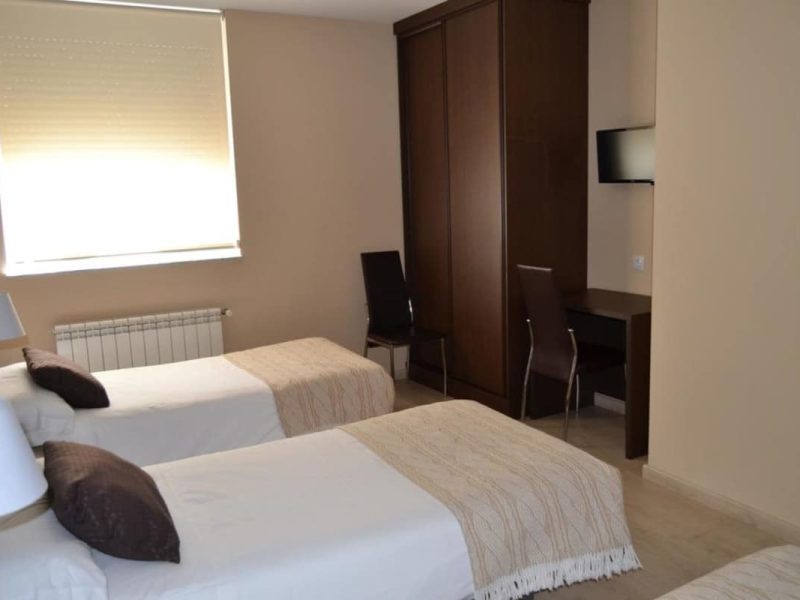
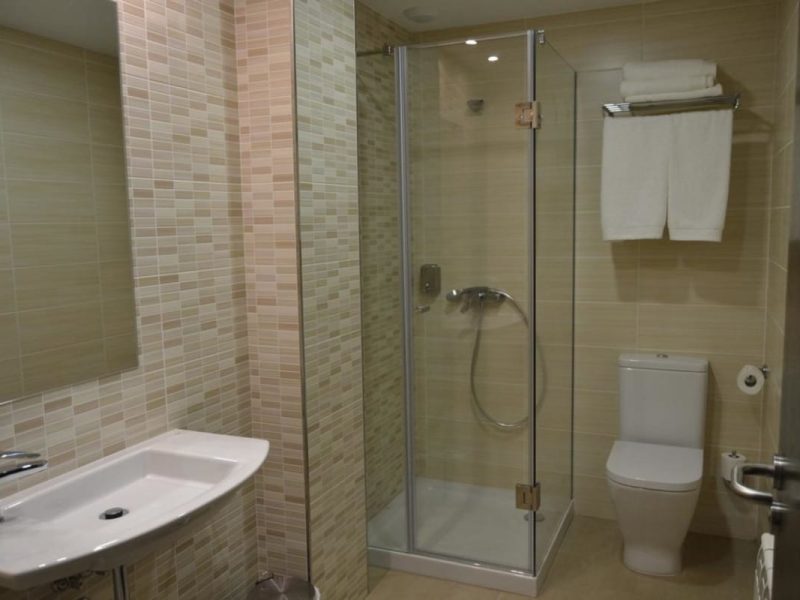
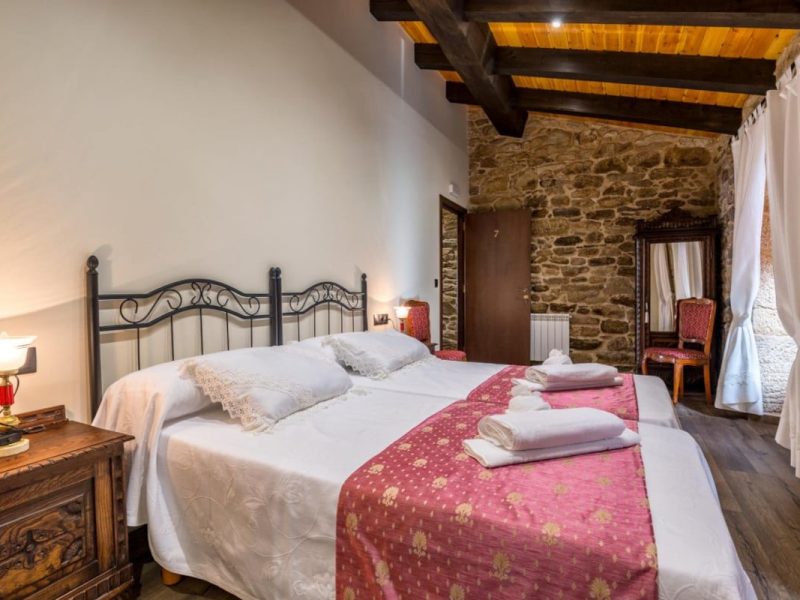
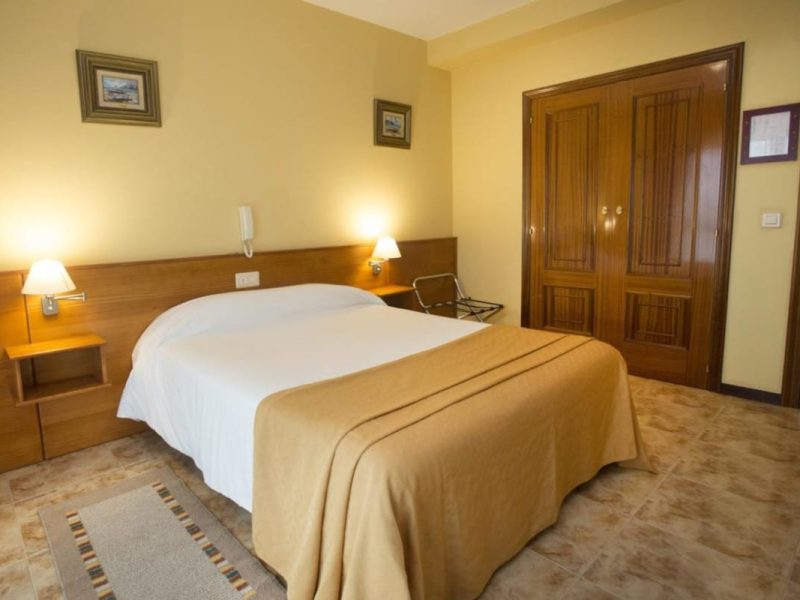
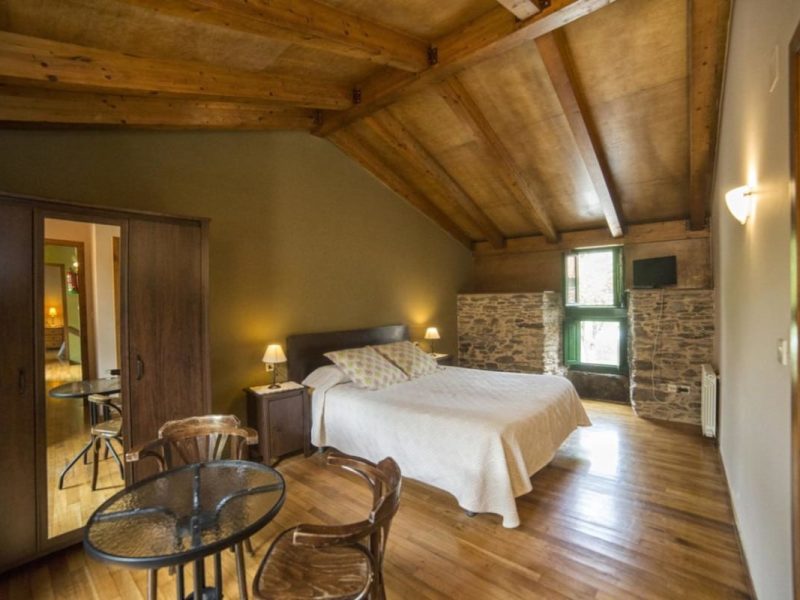
In our constant effort to provide the best experience to our customers, we want to assure you that we are committed to your rest and comfort. The accommodations we offer have been carefully selected and provide private rooms with private bathrooms, along with all the necessary services to make the most of your stay. It is important to note that we will never put you up in hostels.
Since these accommodations have a limited capacity, we will provide you with the exact name once you confirm your reservation and we verify availability on the dates of your choice. Your satisfaction is our priority!
Te indicamos las distintas opciones de Cómo llegar al Camino Francés con inicio en O Cebreiro.
Opción 1: Coche particular
Y dejar estacionado el vehículo en Piedrafita do Cebreiro, que es donde te alojaremos y allí podrás aparcar tu vehículo en las inmediaciones del alojamiento.
Opción 2: Autobús (Alsa)
Con salidas frecuentes desde la Estación Sur de Autobuses de Madrid, y desde el Aeropuerto de Madrid (Terminal 4). La mejor opción es llegar a Piedrafita do Cebreiro, que se encuentra a pocos kilómetros de O Cebreiro. El alojamiento donde te alojaremos se encontrará previsiblemente en el propio Piedrafita do Cebreiro, y al día siguiente se te trasladaría a O Cebreiro para comenzar la primera etapa del Camino, lugar místico y cuna de la Leyenda del Santo Grial Gallego.
Opción 3: Tren (Renfe)
Es posible llegar hasta la ciudad de Ponferrada, que tiene la estación de tren más cercana, y desde aquí desplazarse en autobús hasta Piedrafita do Cebreiro.
Opción 4: Avión
El Aeropuerto de Santiago de Compostela es la mejor opción y más cercana para desplazarse posteriormente hasta Piedrafita do Cebreiro.
Desde el Aeropuerto de Santiago, existen dos posibilidades de Cómo llegar a Piedrafita do Cebreiro:
It is not necessary to have special physical preparation to complete this section of the Way. Although some stages present a medium difficulty, especially in areas with ascents and descents, the route is accessible for people with normal physical condition.
Additionally, we offer the option to customize the route and split the longer stages into additional days. This is ideal for seniors, families with children, or pilgrims who prefer to walk shorter distances and enjoy the Way at a more relaxed pace.
The best time to do the Camino de Santiago from O Cebreiro is between April and October. During these months, the climate in Galicia is milder, with pleasant temperatures and less probability of heavy rain. However, keep in mind that July and August are months with a higher influx of pilgrims, so if you prefer a quieter experience, consider traveling in spring or autumn.
It is essential to wear comfortable footwear adapted to your feet, preferably hiking boots. We also recommend breathable and quick-drying clothing, additional layers for the cold, a raincoat or poncho for the rain, and a cap or hat for the sun. Don’t forget a light backpack, a reusable water bottle, and a small first-aid kit with basic items.
Comenzamos nuestro Camino de Santiago con viaje organizado con la emblemática Iglesia románica de Santa María de O Cebreiro cuna de leyendas y del Santo Grial Gallego (que aparece en el escudo de Galicia).
En Liñares destaca la antiquísima Iglesia parroquial de San Esteban.
En Hospital da Condesa, su Iglesia, que tiene la misma traza que la del Cebreiro.
En O Biduedo la Capilla de San Pedro.
En Triacastela, la Iglesia de Santiago, en la que destaca su ábside románico.
En Samos se puede ver el impresionante Monasterio Benedictino, principal monumento en nuestro viaje organizado al Camino de Santiago, a excepción de la Catedral de Santiago, así como la Capilla del ciprés, árbol que supera los 1000 años de vida.
En Sarria podremos ver, entre otras, la Iglesia de San Salvador, románica y con fachada gótica y el convento de A Magdalena. Admiraremos la torre del antiguo castillo medieval, así como la Rúa Maior.
Etapa desde Sarria a Portomarin
En Sarria podremos ver, entre otras, la Iglesia de San Salvador, románica y con fachada gótica y el convento de A Magdalena. Admiraremos la torre del antiguo castillo medieval, así como la Rúa Maior.
Salimos de Sarria a través del Ponte Aspera para proseguir hacia Barbadelo y Ferreiros contamos con dos iglesias románicas, la Iglesia de Santiago (Barbadelo) y la Iglesia de Santa María (Ferreiros).
Portomarín es un bello pueblo bañado por el Embalse de Belesar, en el cual se encuentra sumergida la antigua ciudad (que se puede ver en verano con el menor caudal del río).
El pueblo está dividido en dos barrios: San Nicolas y San Pedro. No debe faltar la visita a la Capilla de la Virgen de las Nieves, así como a la grandiosa iglesia-fortaleza de San Nicolás, erigida por los monjes-caballeros de la orden de San Juan de Jerusalén en el Siglo XII. La iglesia fue construida por un taller de discípulos del Maestro Mateo. Portomarín produce uno de los aguardiente más reconocidos en Galicia y se celebra una fiesta anual.
La fachada románica de la Iglesia de San Pedro, el Pazo de Berbetoros, del Siglo XVII, y el Pazo del Conde da Maza, del Siglo XVI, son otros de los muchos atractivos que podrá encontrar en esta hermosa localidad.
En Gonzar, podremos visitar el monumento más importante de esta localidad: La Parroquia de Santa María.
En Castromaior, se encuentra la pequeña Iglesia de Santa María, de estilo románico sencillo y tosco pero muy bien conservada. En su interior destacan una talla románica de la Virgen y un retablo del Siglo XVI.
En Ventas de Narón, podemos ver la Capilla de la Magdalena.
La Iglesia de Santiago, en Ligonde, de estilo neoclásico, conserva la portada románica de su antecesora. Justo antes de entrar en el pueblo, se encuentra el cruceiro de Lameiros (1670), donde los cuatro lados de la base representan al calvario o a la muerte de Jesús (martillo, clavos, espinas y calaveras), mientras que en la cruz asombra el relieve de la maternidad o la vida.
Iniciamos en San Xulián do Camiño nos encontramos con la Iglesia Parroquial de San Xulián, templo románico del Siglo XI.
En Leboreiro podemos ver la Iglesia románica de Santa María, en donde destaca el tímpano de la portada y las pinturas murales del Siglo XVI.
En Disicabo destacar el pequeño puente medieval de la Magdalena.
A la entrada de Furelos nos encontramos con un espléndido puente medieval de cuatro ojos. Junto a él, la Iglesia parroquial de San Juan.
Próximo a Palas de Rei aunque fuera de la ruta de nuestro qué ver en el Camino de Santiago desde Sarria, se encuentra la Iglesia de Vilar de Donas de estilo románico, antiguo Priorato de la Orden de Santiago. Data del Siglo XIII. La Iglesia de cruz latina cuenta con tres ábsides abovedados y crucero con bóveda de crucería. En el interior podemos ver varios sepulcros de importantes caballeros de la Orden de Santiago, así como unos frescos bien conservados. Es uno de los ejemplos más conocidos del románico gallego vinculado al Camino Francés.
El Castillo de Pambre, situado en Ulloa, es una de las mejores muestras de arquitectura medieval militar que existe en Galicia. Fue construido a finales del Siglo XIV por Don Gonzalo Ozores de Ulloa. El castillo está situado en un roquedo. Está rodeado por una muralla defensiva de unos 5 m. de espesor. Se accede por una pequeña puerta de medio punto. De planta cuadrada con cuatro torres en las esquinas y la torre del Homenaje en el centro. En su interior nos encontramos con la Capilla de San Pedro.
En Melide como localidad de cierre de etapa de este Camino de Santiago desde Sarria te recomendamos los siguientes lugares de visita:
En Boente destaca su Iglesia de Santiago presidida por una talla del Ápostol del Siglo XIX.
En Ribadixo do Baixo, después de pasar el puente de origen medieval, el hospital de peregrinos Ribadixo, último espacio histórico que permaneció abierto al servicio del peregrino. En el área recreativa de Ribadixo podemos hacer un alto en el camino para refrescar nuestros pies en el río.
En Arzúa, destaca la Iglesia de Santiago, con la Capilla gótica de la Magdalena, perteneciente a un hospital desaparecido. Junto a una carballeira destaca también la capilla de A Mota.
Y a unos 5 Kms, fuera de la ruta del qué ver en el Camino de Santiago desde Sarria, destaca el Pazo de Brandeso, donde Valle-Inclan situó parte de su novela Sonata de otoño. El Pazo es de propiedad privada y no se puede visitar. Es un edificio señorial y con capilla en su fachada principal.
En esta etapa, podemos destacar la Iglesia Parroquial de San Verisimo, en la localidad de Ferreiros.
En Santa Irene podremos visitar la Capilla de la Santa, que da nombre a la localidad. Ermita dedicada a esta Santa Mártir portuguesa. También destaca una fuente barroca que dicen posee propiedades curativas para la piel.
No podemos dejar pasar la oportunidad de degustar el magnífico queso de tetilla de Arzúa. Desde 1989 este queso de elaboración artesanal, a partir de la leche natural y entera de vaca, recibe la denominación de Produto Galego de Calidade. Se produce en todos los concellos de la comarca Arzúa-Ulloa: Arzúa, Curtis, Melide, O Pino, Santiso, Sobrado dos Monxes, Toques, Touro e Vilasantar (en la provincia de A Coruña) e Friol, Monterroso e Palas de Rei (en la provincia de Lugo).
Antes de llegar a Santiago, a unos 4 Kms aproximadamente, el Monte de Gozo ofrece una increíble panorámica de la ciudad.
En Santiago de Compostela nos encontramos con el monumento más importante de toda nuestra ruta, la Catedral de Santiago cuya fachada ha sido recientemente restaurada, dedicada al Apóstol Santiago. Y como detalles de la Catedral los siguientes:
Todo el casco antiguo es espectacular, nos traslada sin darnos cuenta a la época medieval. En él se encuentra el mercado de Abastos de Santiago. También destacamos el pabellón de Galicia en el barrio de San Lázaro, Panteón de Gallegos ilustres (contiguo al museo), Capilla de As Animas, Praza de Cervantes, el Museo de la casa de la Troya, etc.
Por otro lado también puedes conocer las inmediaciones de Santiago y realizar excursiones organizadas por la Costa da Morte y Rías Baixas.
Otra de las tradiciones es el abrazo a la imagen del apóstol Santiago y la visita a su tumba.
Es visita obligada el museo de la Catedral, así como la visita a las cubiertas de la Catedral.
El Monasterio de San Martín Pinario, enfrente de la Plaza de la Azabachería.
La Portada del Parador de los Reyes Católicos, en la Plaza del Obradoiro, que fue fundado como hospital de peregrinos.
Para finalizar nuestro Qué ver en el Camino de Santiago desde Sarria a Santiago ahora lo que te recomendamos es que descubras estos increíbles lugares por ti mismo y nos cuentes qué te parecieron.
The section from O Cebreiro to Santiago presents a combination of rural paths, forest trails, and some paved sections. Although there are stages with ascents and descents, especially at the beginning, the general difficulty is low to medium. The landscape is varied, passing through mountains, valleys, and small Galician villages.
Since we offer selected accommodations with limited capacity, it is advisable to book in advance to ensure availability on your desired dates. This is especially important during the high season, when demand is higher.
Galicia is famous for its rich gastronomy. Along the Way you can enjoy typical dishes such as octopus (pulpo a la gallega) in Melide, the famous cheeses from Arzúa, Galician broth, empanadas, and a variety of seafood and meats.
Although credit and debit cards are accepted in larger cities and towns, in small villages and rural establishments it is common for them to only accept cash. It is advisable to carry enough cash for daily expenses such as meals, drinks, and stamps for your credential.
This video will give you a more detailed and visual look at what to expect on your adventure. Don’t miss it!