Choosing the right route can mean the difference between enjoying every stage… or suffering more than necessary. Here’s a clear and practical guide —with real information, useful tips and solutions— to help you decide which route suits you best depending on your fitness level, age and available time.
Índice de contenidos
- 1 Before deciding: key factors that really matter
- 2 Main routes: profiles, who they suit and how to pace them
- 3 Which route suits you best according to your age and fitness? (with useful resources)
- 4 Planning tips that save you trouble
- 5 Final checklist to choose wisely
- 5.1 Actual time available
- 5.2 Comfortable daily distance without burning out
- 5.3 Elevation tolerance: gentle or mountainous terrain?
- 5.4 Expected weather for your dates and proper gear
- 5.5 Services you need: if it’s your first time, prioritise routes with plenty of options
- 5.6 Plan B for bad days: shorter stage, rest or local transport between towns
- 6 Winning route combinations
Before deciding: key factors that really matter

Total distance and daily kilometres
Define how many days you have and how many kilometres you can comfortably walk per day. As a general reference:
- French (Saint-Jean–Santiago): ~790 km.
- Northern (Irún–Santiago): ~820 km.
- Primitivo (Oviedo–Santiago): ~313 km.
- Central Portuguese (Porto–Santiago): ~240 km;
- via the Coast: ~260–280 km.
- English (Ferrol–Santiago): ~119–120 km.
- Sanabrés (Granja de Moreruela–Santiago): ~370 km.
- Winter Route (Ponferrada–Santiago): ~239–260 km.
- Finisterre/Muxía (epilogue from Santiago): ~90 km to Fisterra; ~86 km to Muxía; ~115–120 km if you walk both capes.
Recommended average distance per day: 18–24 km/day (15–20 km if you’re starting out; 22–28 km if you already have a base and the terrain allows it).
The last 100 km (recommended starting points):
- French: French Way from Sarria (≈111–116 km).
- Northern: Northern Way from Vilalba (≈122 km).
- Primitivo: Primitivo Way from Lugo (≈98–100 km; valid for the Compostela).
- Central Portuguese: Portuguese Way from Tui (≈116–117 km).
- Coastal Portuguese: Coastal Portuguese Way from A Guarda (≈140 km).
- Sanabrés: Way from Ourense (≈103–111 km depending on the route).
Useful tip: stamp your credential at the start and end of each stage; in rural areas, ask for stamps in bars, churches or town halls. In the final stages, it’s often recommended to collect two stamps per day to avoid issues on arrival.
Elevation and difficulty
Effort doesn’t just depend on distance. Routes such as the Primitivo or the Northern have continuous ups and downs that challenge your legs and joints. The Portuguese (both Central and Coastal) tends to be gentler, except for a few climbs like Portela da Labruja.
Terrain and climate
- Cantabrian coast: green and humid; occasionally slippery surfaces.
- Castilian plateau: long straight paths, full sun exposure and heat in summer.
- Galicia: woodland trails with mud in rainy seasons and short, steep climbs.
Choose spring or autumn for milder temperatures and fewer crowds.
Infrastructure
Signposting is always good on the main routes. The French and Portuguese Ways have the widest range of accommodation, restaurants and transport. The Northern and Primitivo Ways have improved, but distances between services can be longer.
Personal logistics
Backpack weight (ideally ≤10% of your body weight), any previous discomfort (knee, hip, sole), need for shorter stages, and preference for areas with good train/bus connections.
Main routes: profiles, who they suit and how to pace them
French Way
- Why choose it: it’s the classic, varied and social route. You’ll find historic towns, a lively pilgrim atmosphere and extensive accommodation options.
- Difficulty: moderate. It alternates gentle days with others involving medium mountains at the start (Pyrenees) and in Galicia.
- For whom: people who value the cultural side and the security of frequent services. Perfect if you prefer to divide it into sections: Navarra–Rioja, the plateau, Galicia, or just the “last 100 km” from Sarria.
- Recommended pace: 20–25 km/day if you have a base; 15–20 km/day if you’re starting out.
Northern Way
- Why choose it: wild nature, coastal viewpoints and fishing villages. Less crowded than the French in many periods.
- Difficulty: medium-high due to continuous elevation changes and some hard surfaces.
- For whom: walkers with some experience who enjoy the coast, sea breeze and don’t mind tougher stages.
- Recommended pace: 18–25 km/day depending on experience. Add 1–2 rest days if you plan to do it in full.
Primitivo Way
- Why choose it: mountains, authenticity and inland landscapes. Demanding yet charming rural stages.
- Difficulty: high. Long climbs and descents that can take a toll if you don’t use poles.
- For whom: pilgrims in good shape or athletes seeking a challenge.
- Recommended pace: 15–22 km/day, depending on elevation. Prioritise footwear with good cushioning and grip.
Portuguese Way (Central and Coastal)
- Why choose it: accessible, well-marked and full of charming towns at a human pace.
- Difficulty: low to medium. The Central has a few steep sections; the Coastal is gentler, featuring boardwalks and seafront promenades in several areas.
- For whom: beginners, families and those wanting to combine culture, gastronomy and manageable stages.
- Recommended pace: 18–24 km/day. Ideal for a first complete experience from Porto.
Spiritual Variant of the Portuguese Way
The Spiritual Variant of the Portuguese Way starts from Vigo and adds a beautiful symbolic touch with the boat journey along the Arousa estuary and the River Ulla (Traslatio). It’s usually completed in 3–4 additional days.
- For whom: for those seeking a mixed land–sea experience and a meaningful ending.
English Way
- Why choose it: compact (5–6 days from Ferrol), green and peaceful.
- Difficulty: moderate. Ideal if you can’t dedicate more than a week.
- For whom: beginners wanting to try without committing too many days or pilgrims with limited time.
Vía de la Plata and Sanabrés Way
- Why choose them: vast open landscapes, Roman heritage and a sense of tranquillity.
- Difficulty: variable; the Vía de la Plata is long and hot in summer; the Sanabrés alternates easy days with more demanding ones.
Fisterra and Muxía
Why do it: continuing to “the end of the world” adds an emotional closure facing the Atlantic.
Difficulty: moderate; plan 3–4 extra days.
For whom: those finishing in good shape and wanting to extend the adventure.
Which route suits you best according to your age and fitness? (with useful resources)
If you’re starting out or returning to walking after a break
- Central Portuguese from Porto: balanced stages, frequent towns and regular services. Allows you to adjust days between 18 and 24 km. You don’t even need to reach Compostela. As a first taste, the Camino de Santiago from Porto to Tui is quite accessible.
- English Way (Ferrol–Santiago): 5–6 stages. Perfect to try without overdoing it.
- Sections of the French Way in Galicia: if you want a pilgrim atmosphere and good logistics with moderate elevation.
Practical solution: alternate 3–4 days of walking with 1 rest day; start with 15–20 km and increase if you feel comfortable.
Families with children and teenagers
- Portuguese Coastal Way: pleasant walk, boardwalks and sea views; ideal for mixing beach games and well-served towns.
- French Way (easy sections): plenty of family-friendly accommodation and rest areas.
Practical solution: stages of 12–18 km, picnic mid-morning and flexibility for the unexpected. Bring sunscreen and light windproof layers.
Senior pilgrims (60+)
- Central Portuguese or Ourense–Santiago (Sanabrés) for their balance between distance and services.
- English Way if you prefer a short but authentic route.
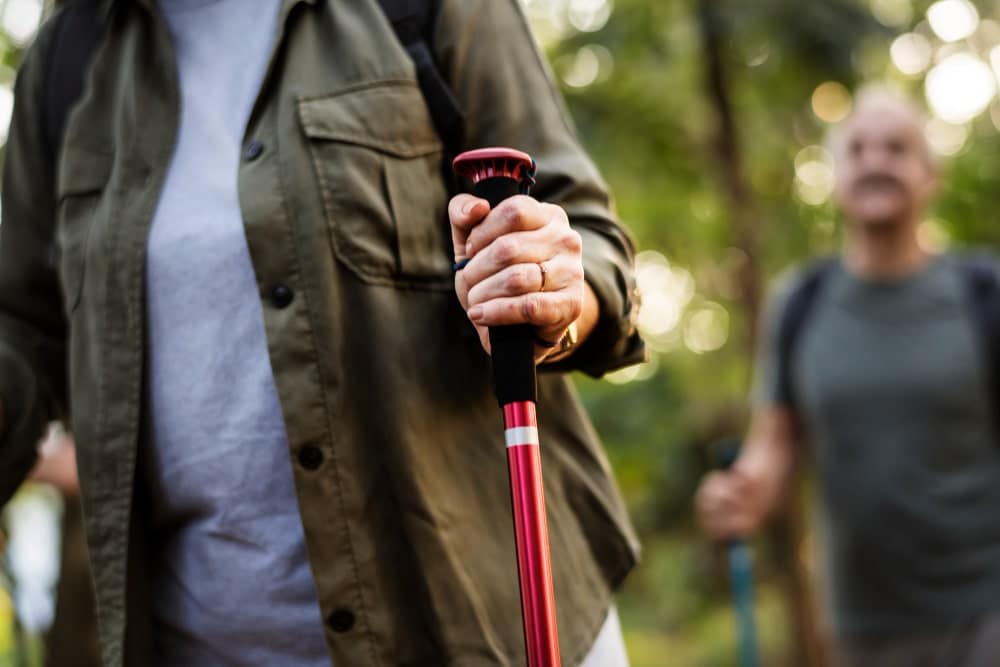
Practical solution: walking poles to reduce impact on descents, gentle compression socks and pace control (12–18 km at the start).
Athletes and those seeking a challenge
- Primitivo or Northern Way to work on endurance and elevation.
- Full French Way or Vía de la Plata if you’re motivated by a long-distance trek.
Practical solution: periodise—include 1–2 stages over 30 km, watch your nutrition (carbs + electrolytes) and rest properly after tough days.
Planning tips that save you trouble
- Define your “sustainable pace”. Most people enjoy walking between 18 and 24 km per day. If unsure, start on the lower end. The goal is to arrive still wanting to stroll around in the evening, not collapse into bed at five.
- Divide and conquer. Long routes can be done in stages across different trips. For example, on the French Way you can cover Navarra–La Rioja, return months later for the plateau, and finish in Galicia.
- Take care of your feet and joints.
- Well-worn shoes, technical socks and Vaseline on friction zones.
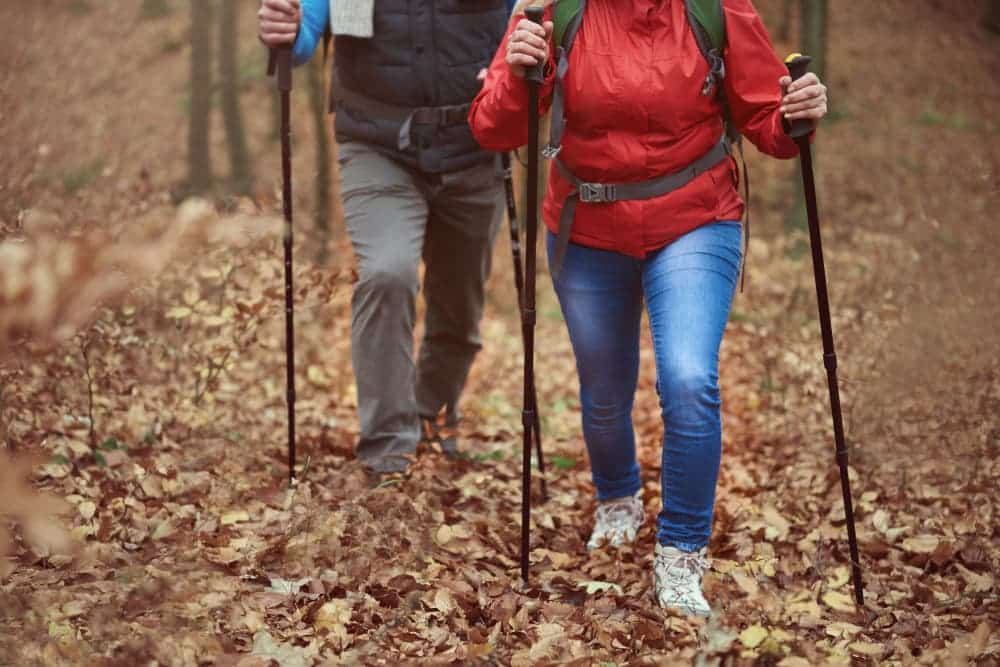
- Poles to ease knee strain on descents and improve posture uphill.
- Basic stretches (calf, hamstring, quadriceps, glute) at the end of each day.
-
- Light backpack Think in layers (technical T-shirt, light fleece, waterproof jacket), water, nuts and a small first-aid kit (Compeed, elastic bandages, a common anti-inflammatory if prescribed by your doctor). Keep the weight under 10% of your body weight. You can even use agencies specialising in the Camino de Santiago trip to handle your luggage transfers.
- Weather and season
- Spring and autumn: mild temperatures and fewer crowds.
- Summer: stay hydrated, start early and protect your head and neck.
- Winter: short days, mud and cold; consider the Winter Way or shorter stages.
- Daily logistics. Have a good breakfast, take a mid-morning break to replace salts, and after finishing, spend 15–20 minutes stretching and checking for early blisters. Prevention is better than cure.
Final checklist to choose wisely
Actual time available
5–6 days, 10–12 or a month? Before deciding on your route, be clear on how many days you can dedicate to the Camino.
- If you only have less than a week, choose short sections like the Portuguese Way from Tui or the English Way from Ferrol. Both let you reach Santiago meeting the minimum distance to obtain the Compostela.
- If you have 10 to 15 days, consider intermediate routes such as the Portuguese Coastal Way or the Primitivo Way.
And if you have a month or more, you can walk a full itinerary from its origin —for example, the French Way from Saint-Jean-Pied-de-Port.
Comfortable daily distance without burning out
Assess your fitness honestly. Walking 15 km on flat terrain is not the same as 25 km with hills or under the Galician sun.
The ideal average for most pilgrims is between 20 and 25 km per day, though you can adjust to your condition. If you’re a beginner, plan shorter stages at the start and increase progressively.
Remember that steady rhythm and regular breaks work better than trying to “get there as soon as possible.” Overdoing it in the first few days can ruin the rest of your Camino with blisters or muscle strain.
Elevation tolerance: gentle or mountainous terrain?
Choose your route based on your endurance and love for the mountains.
If you prefer gentler terrain, go for moderate-profile routes such as the Portuguese, the English or Finisterre Ways. If you enjoy challenges and wild nature, the Primitivo Way or the Northern Way offer stunning climbs but can be demanding. Expect elevation gains of over 1,000 metres on some stages.
In general, coastal and inland Portuguese routes are easier on joints and knees, while mountain paths require more preparation and good technical footwear.
Expected weather for your dates and proper gear
Weather completely shapes your experience.
- In spring and autumn, temperatures are mild and routes less crowded, although northern Portugal and Galicia can see rainfall.
- In summer, days are long but heat and pilgrim numbers rise, especially on the French Way. If walking this season, bring sun protection, a cap and enough water.
- In winter, some routes have mud, fog or closed hostels, so it’s wise to plan alternatives. In all cases, pack a waterproof jacket, breathable clothing, waterproof shoes and poles for slippery descents.
Services you need: if it’s your first time, prioritise routes with plenty of options
If you’ve never walked the Camino before, choose routes well-equipped with frequent accommodation, cafés and pharmacies. The French Way and the Portuguese Way are the most recommended, as you’ll find somewhere to sleep or eat every few kilometres.
Other variants, such as the Sanabrés Way or the Northern Way, may have lonelier stretches or fewer services, so plan ahead.
Plan B for bad days: shorter stage, rest or local transport between towns
Not every day will be the same. It might rain, you could get injured or simply need a rest. That’s why it’s important to have a flexible plan B. Check public transport options between towns: many sections have local buses or taxis that let you skip a stage without leaving the route.
Another option is to split a long stage into two days or stay overnight halfway. As mentioned before, you can also use luggage transfer services if the weight holds you back. Listening to your body is key: resting one day in time is better than pushing too far and having to quit the Camino.
Winning route combinations
- First 7–9 day experience: Porto–Valença/Tui via the Central Portuguese Way, 18–22 km stages.
- One free week and little elevation: English Way from Ferrol.
- 10–12 day coastal challenge: Portuguese Coastal Way from Porto.
- Mountains and authenticity (10–14 days): Primitivo Way from Oviedo.
- Comfortable last 100 km: Sanabrés or French Way from Sarria.
There’s no universal “best Camino”. There’s the right Camino for you right now, depending on your fitness, age and available time. Start with an itinerary that lets you build confidence, avoid overexertion in the first days and remember: this journey is a personal pilgrimage, not a race.