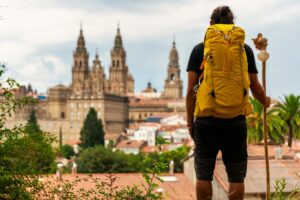
The Portuguese Coastal Way is one of the most beautiful, popular, and recent routes leading to Santiago de Compostela. It connects Porto with the Galician capital by following the Atlantic coastline, winding through fishing villages, cliffs, and coastal paths that blend sea and nature into a single journey.
Although many pilgrims consider it an accessible route and less demanding than others (which is generally true), the reality is that some stages can be challenging due to their length, elevation gain, terrain conditions, or weather. If you’re planning this route, knowing which are its most demanding stages will help you prepare better and enjoy the journey safely.
Índice de contenidos
Introduction to the Portuguese Coastal Way
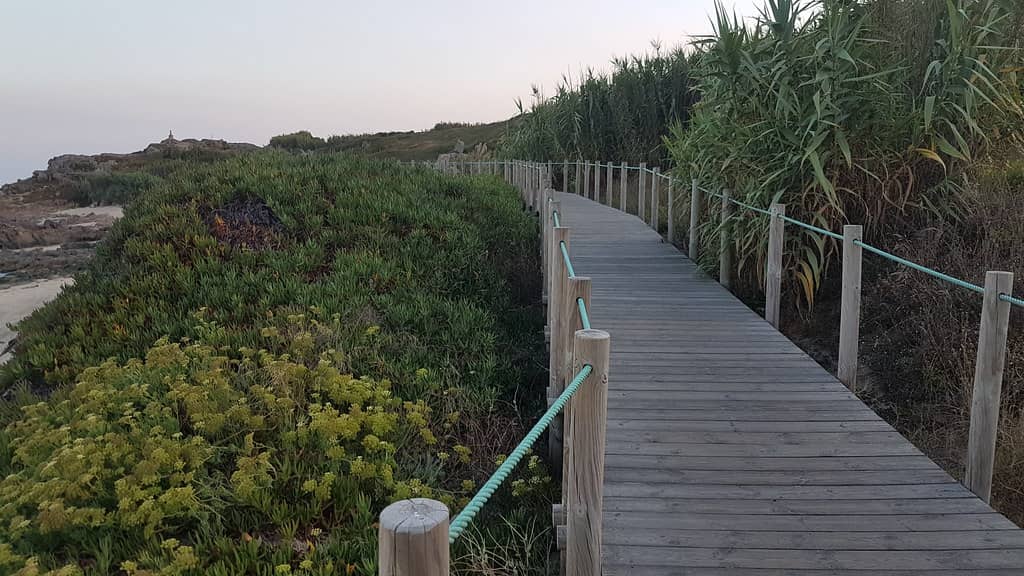
As mentioned, this route begins in Porto and stretches for approximately 280 kilometres until reaching Santiago de Compostela.
Its path combines wooden walkways by the sea, rural trails, and urban areas. It passes through charming towns such as Póvoa de Varzim, Viana do Castelo, Caminha, A Guarda, Vigo, Pontevedra, and Padrón, before finally arriving at the Cathedral of Santiago.
One of its main advantages is its gentle profile, with few prolonged climbs and spectacular views over the Atlantic. However, not all of the route is easy: some sections require good physical preparation, especially when long distances, uneven terrain, or adverse weather conditions come together.
Is the Portuguese Coastal Way harder than other routes?
Compared to other Camino routes, its overall difficulty is moderate. It does not reach the intensity of the mountainous stretches of the Northern or Sanabrian Ways, nor the steep climbs of the Primitivo, but it presents its own challenges.
In general, it stands out for its comfort and scenic beauty, although the Atlantic wind, sand, or fewer accommodation options can make certain days more demanding.
- Compared to the French Way, it has less accumulated elevation and fewer pilgrims, but also fewer services in some areas.
- In contrast to the inland Portuguese Way, the coastal version has gentler slopes, although it is slightly longer. The Way from Porto to Tui allows you to enjoy the Portuguese essence without as much physical effort, combining tradition and comfort. Likewise, if you choose the Spiritual Variant, you’ll experience a more introspective and complete journey, with the added charm of sailing along the Arousa estuary before arriving in Padrón.
- Compared with the Way from Ourense, which crosses mountainous terrain, the coastal route is far more accessible and gentle for the average pilgrim.
- The Primitivo Way is the most demanding in terms of slopes and weather, with steep climbs in the Asturian sections, while the Northern Way offers spectacular landscapes but with constant ascents and descents, making it physically tougher than the Portuguese Coastal route.
- Meanwhile, the English Way, though shorter, concentrates notable elevation gains into brief stages, while the Finisterre Way has medium difficulty with quiet rural sections.
In short, the Portuguese Coastal Way is not the hardest, but it does require planning, especially due to its length and exposure to Atlantic weather. If it’s your first experience or you prefer to focus on enjoying the journey without worrying about logistics, it’s a good idea to do it through a specialised agency.
An organised Camino de Santiago allows you to walk with peace of mind, with accommodation booked and luggage transported from stage to stage. You’ll only need to focus on enjoying the sea, the route, and the experience.
Factors that determine the difficulty of the Portuguese Coastal Way
Every pilgrim experiences the Camino differently, but there are certain objective factors that can make the difference between an easy and a demanding stage:
- Daily distance: some stages exceed 25 kilometres, and when combined with sandy or coastal areas, fatigue builds up.
- Elevation and terrain: although the coast is flatter than inland, there are short, steep climbs, especially in Galicia where the terrain becomes more rugged.
- Atlantic weather: wind, rain, or heat can turn an apparently simple stage into a physical challenge.
- Variable signposting: some sections, particularly in urban or coastal areas, can be confusing if the yellow arrows aren’t followed carefully.
- Availability of accommodation: in certain stages there are fewer overnight options, forcing you to complete the full distance without the possibility of stopping earlier.
- Accumulated fatigue: after several days walking, even moderate stages can feel tough if rest days aren’t planned.
With this in mind, let’s look at the three toughest stages of the Portuguese Coastal Way, according to most pilgrims’ experiences.
The toughest stages of the Portuguese Coastal Way
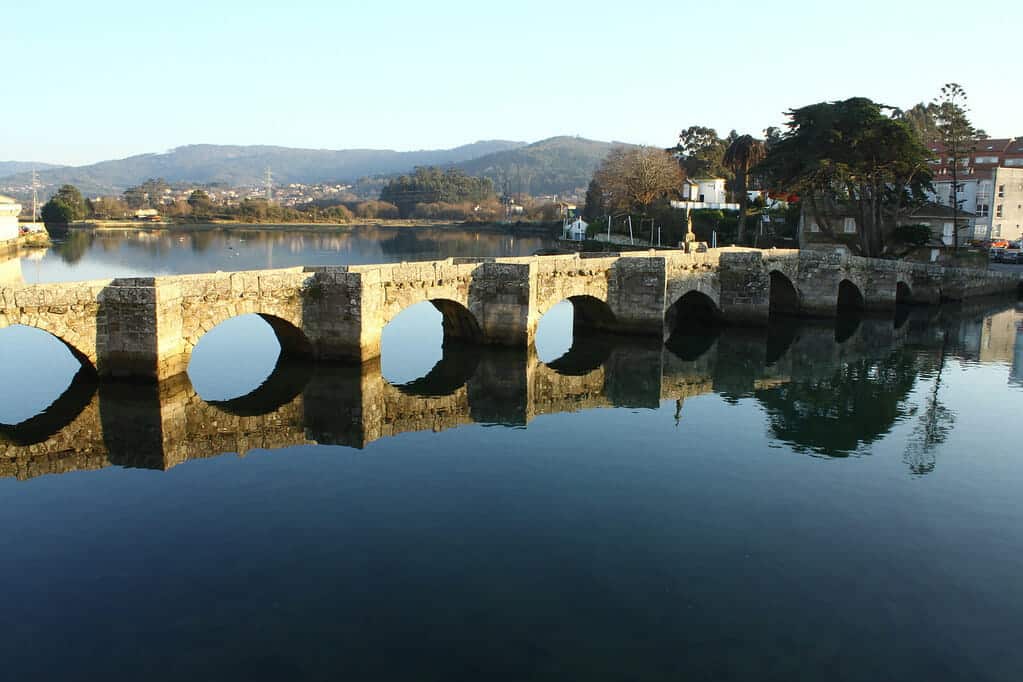
1. Baiona – Vigo (27 km)
The first stage if you’re doing the Camino de Santiago from Baiona. This stage marks the passage from Portugal into Galicia after crossing the Miño River and is one of the most demanding sections of the route.
- Distance: around 26 km, making it one of the longest stretches of the route.
- Terrain: coastal paths, rocky stretches, forest trails, and some road sections.
- Services: few accommodation options in between, which means completing the entire distance in one go.
The stage combines the beauty of Galician cliffs with the challenge of uneven terrain and exposure to sea winds. In addition, the river crossing (from Caminha to A Guarda, usually by boat or ferry) adds a small logistical pause that can break your walking rhythm.
Tip: if the day starts windy or rainy, it’s best to set off early and carry waterproof protection. Those who prefer a gentler pace can split the stage by staying overnight in A Guarda.
2. Vigo – Redondela (16 km)
Although shorter, this stage often surprises pilgrims with its intensity.
- Elevation: the stretch between Vigo and Redondela features short but constant climbs, especially when leaving the city.
- Terrain: a mix of urban asphalt, rural trails, and cobbled paths.
- Fatigue: usually completed after several walking days, which increases the sense of tiredness.
Despite its moderate distance, the uneven profile and urban departure from Vigo make it more exhausting than expected. Pilgrims transition from the coast to inland areas, facing small ramps that test both legs and focus.
Tip: have a good breakfast in Vigo and don’t underestimate this stage. Wearing comfortable shoes with good cushioning helps reduce the impact of hard surfaces.
3. Padrón – Santiago de Compostela (20 km)
The final stage is a blend of emotion and physical effort.
- Distance: 20 km with several short climbs on the way to Santiago.
- Type of terrain: rural paths, secondary roads, and urban stretches at the end.
- Psychological factor: the eagerness to reach the goal can make many people quicken their pace, adding extra fatigue.
The gradual ascent to Santiago, combined with the emotional weight of the journey’s end, makes this stage feel like a true test of endurance. Many pilgrims say this is where they most notice their blisters and accumulated fatigue.
Tip: set off early from Padrón, keep a steady pace, and save energy for the final kilometres, especially the last climb into the historic centre.
Easier or less demanding stages
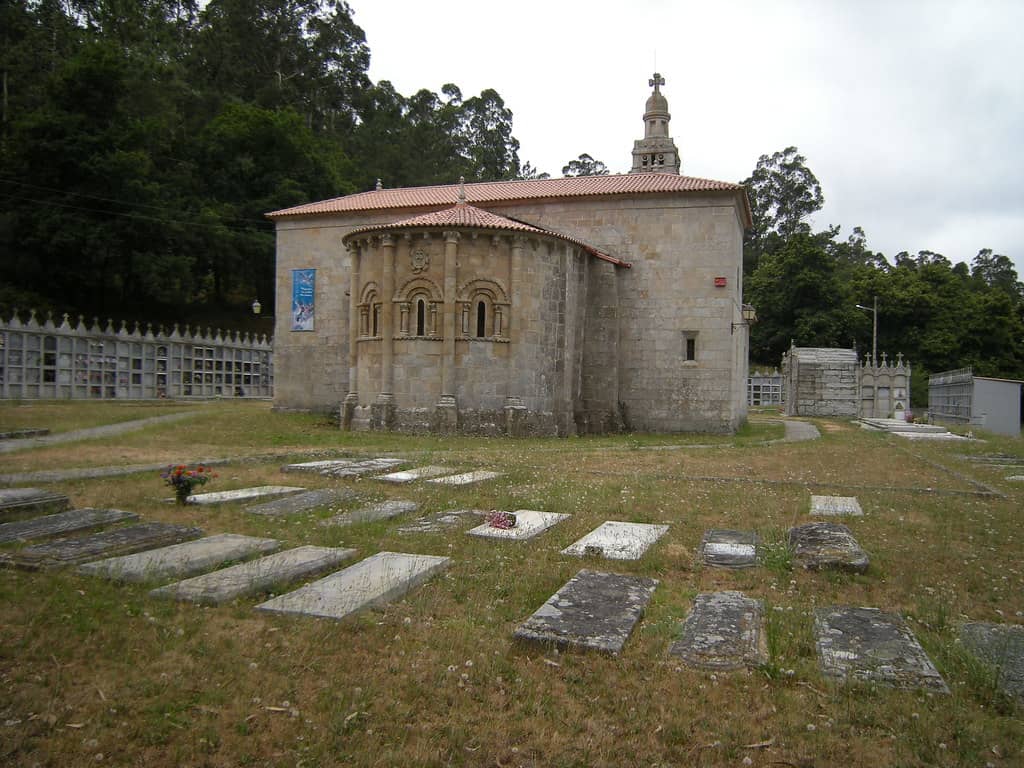
The Portuguese Coastal Way also offers calmer stages, ideal for acclimatising or recovering from previous days:
- Porto – Vila do Conde (22 km): a practically flat stage along the coast, alternating between wooden walkways and seaside trails. The sound of the sea accompanies you for much of the way, making it a delightful day for those just starting their adventure.
- Esposende – Viana do Castelo (26 km): though slightly longer, its profile is gentle, passing through pleasant coastal landscapes, rural paths, and boardwalks crossing marshes and protected natural areas. The final stretch towards Viana offers panoramic views and an easy entrance into the city — perfect for resting and exploring its historic quarter.
- Pontevedra – Caldas de Reis (21 km): considered one of the most comfortable stages, it combines forest paths and small villages with paved sections and minimal slopes. It’s ideal for regaining strength before the final stages, with plenty of accommodation and rest areas available.
These gentler stages allow you to recover energy and enjoy the surroundings without pressure. Planning your itinerary by alternating demanding days with easier ones is key to maintaining a sustainable rhythm and experiencing the Camino in balance.
Tips for tackling the toughest stages
- Plan your route in advance. Knowing the distances and elevation profiles of each stage helps you distribute your effort. If a stage seems too long, consider splitting it or booking intermediate accommodation.
- Manage your backpack weight wisely. Carry only what’s essential — every extra kilo is noticeable in the final kilometres. You can also use luggage transfer services between stages.
- Adapt your schedule. On tougher days, start early to avoid the hottest hours and enjoy the coastal landscapes in softer light.
- Take care of your feet. Use breathable hiking footwear, technical socks, and check for blisters at the end of each day. Proper care prevents injuries.
- Stay hydrated and nourished. Drink water regularly and carry energy snacks. On long stretches like Caminha – Mougás, there may be no shops or bars halfway.
- Listen to your body. If you feel discomfort or muscle strain, slow down or take a break. The Camino isn’t a race — enjoying it is part of the goal.
- Check the weather forecast. The Atlantic wind can be strong in Galicia and northern Portugal. Always carry a lightweight waterproof jacket and adjust your plans if heavy rain is expected.
The Portuguese Coastal Way is a unique experience where the sea accompanies every step. Although it’s not the hardest route to Santiago, it does present specific challenges worth knowing. With good preparation, realistic planning, and a positive mindset, this path becomes an unforgettable journey — for both body and soul.