Embarking on the Camino de Santiago is an experience that combines physical effort, personal growth, and inner connection. Although thousands of pilgrims complete it every year without being athletes, good physical preparation beforehand makes all the difference between enjoying each stage or struggling through it.
Walking more than 20 kilometres a day, carrying a backpack for several consecutive days, requires a certain level of endurance, strength, and planning. That’s why, in this article, you’ll find a 12-week physical training plan specially designed for those who want to experience the Camino with energy, confidence, and without injury.
Índice de contenidos
Why it’s important to prepare before the Camino de Santiago
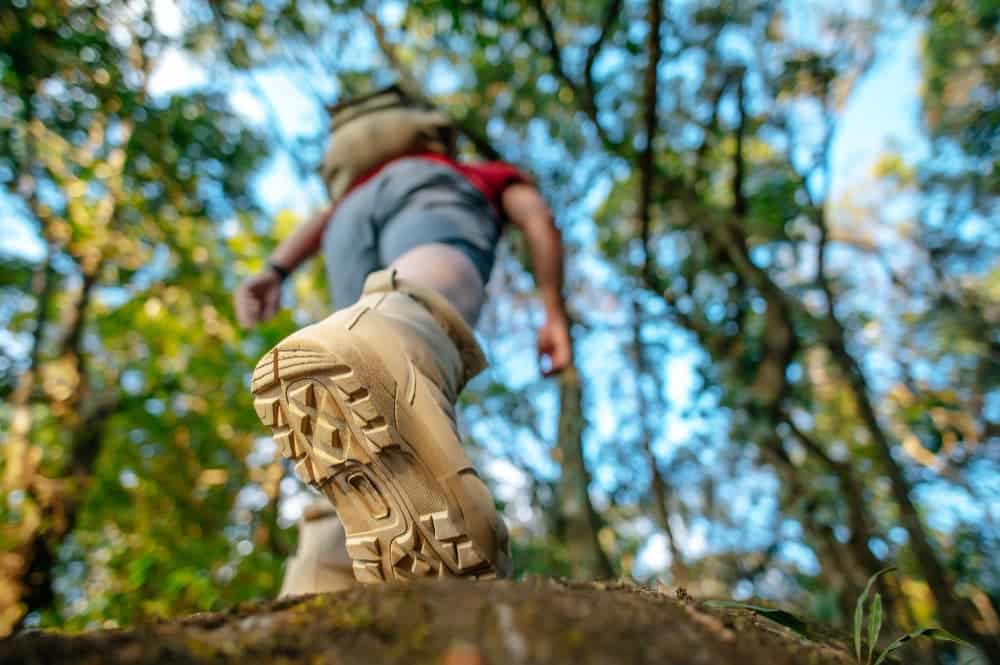
The Camino is not just a weekend stroll. Depending on the route, you could cover between 100 and 800 kilometres, crossing mountains, forests, villages, and urban sections. Consistency, rather than speed, is what will get you to Santiago. Preparing in advance will allow you to:
- Strengthen your body and prevent muscular or joint discomfort.
- Get used to the weight of the backpack and walking for several hours at a time.
- Adapt to real terrain, with climbs, descents, and uneven surfaces.
- Enjoy the journey without exhaustion, giving yourself more room to appreciate your surroundings.
Training not only improves your physical fitness — it also builds confidence. Knowing that you can handle a 25 km day without fear is key to keeping your motivation high throughout the pilgrimage.
Factors that influence the difficulty of the Camino
Before designing a training plan, it’s important to understand what factors determine the difficulty of each route. Not all Caminos are the same, and understanding them will help you better adapt your preparation.
Total distance and daily kilometres
Each itinerary covers a different distance. For example:
- The French Way from Saint-Jean-Pied-de-Port exceeds 770 km.
- The Portuguese Way from Porto to Santiago is around 240 km.
- The English Way from Ferrol is about 120 km, and the Sanabrés Way from Ourense to Santiago covers approximately 110–115 km.
The average is between 20 and 25 km per day, although some pilgrims prefer shorter stages, especially at the beginning. The more kilometres you cover, the greater the fatigue and the need for recovery.
However, there are several alternatives for those who cannot (or prefer not to) complete the full route:
- You can start from a closer point to Santiago and still enjoy the adventure in a shorter but equally rewarding way. You only need to complete the last 100 kilometres to receive the Compostela.
- It’s not necessary to do the entire route at once. You can divide it into sections and walk them at different times of the year. For instance, you could walk the Oporto to Tui Portuguese Way during Easter and continue in September.
Elevation gain and terrain type
It’s not the same to walk a coastal path as it is to cross mountains. Positive elevation (uphill climbs), rocky or soft dirt paths, and uneven ground all have a direct impact on physical demand. Routes such as the Primitivo Way or certain stages of the Northern Way are very scenic but require strong legs and good walking technique.
Infrastructure and available services
You also need to take infrastructure into account: the number of hostels, water fountains, restaurants, pharmacies, or public transport options. On the more popular routes — such as the French or Portuguese Ways — facilities are plentiful. On quieter ones, you’ll need to plan more carefully and perhaps carry a bit more weight.
Weather and time of year
The season you choose can completely change your experience. In summer, the heat increases fatigue; in spring or autumn, rain or mud can slow down your progress. Training in conditions similar to those you’ll face during your journey will help your body adapt.
Difficulty and characteristics of some Camino routes
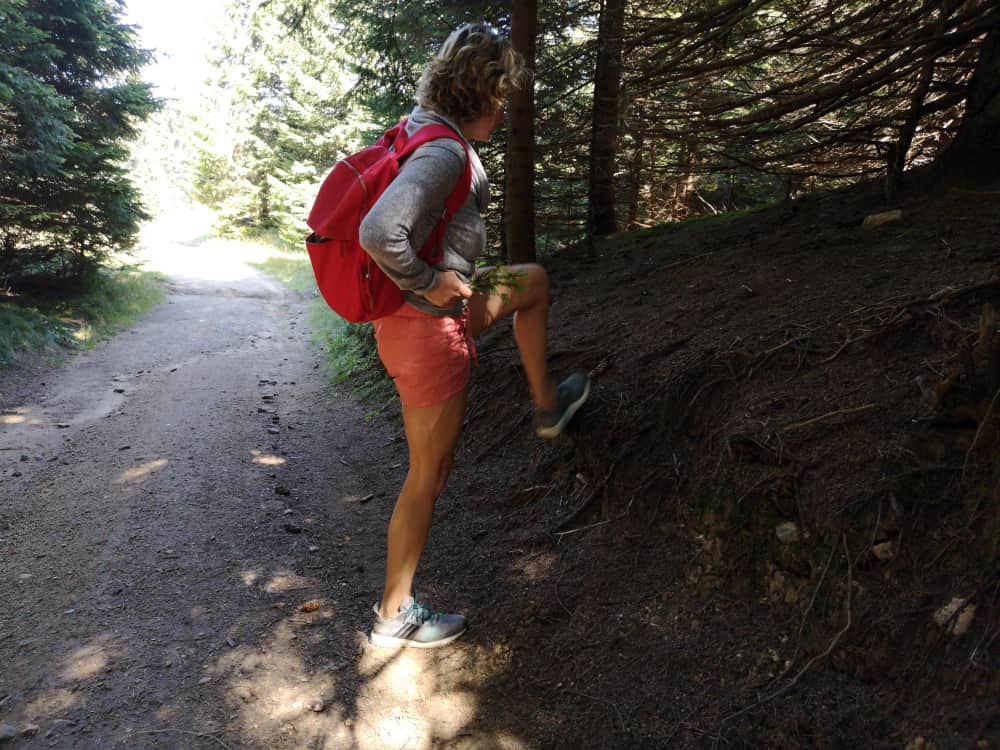
Each route has its own personality and level of physical demand. Some can be completed with relative ease, while others require more intense training due to their gradients or long stages. Understanding their characteristics will help you choose the one that best suits your fitness level and expectations.
- The French Way is the most popular and also one of the best signposted. It offers a moderate level of difficulty if you walk it from Saint-Jean-Pied-de-Port. If you take the Camino de Santiago from Sarria, the difficulty becomes milder.
-
- It alternates flat stretches with mountainous areas, especially at the start in the Pyrenees and in regions such as O Cebreiro. Thanks to its excellent infrastructure, it’s very accessible even for those new to pilgrimage.
- The Portuguese Way offers a smoother, more gradual route, with moderate stages and gentle slopes. It combines rural areas, paved sections, and forest paths, making it suitable for pilgrims of all levels. Its accessibility and mild climate make it a highly recommended option for beginners.
-
- Additionally, along the Spiritual Variant route, there’s even a section that can be done by boat.
- The Northern Way runs parallel to the Cantabrian Sea and offers spectacular scenery, although its profile is more demanding. The constant ascents and descents, combined with humidity and variable weather, make it more physically challenging. It’s ideal for walkers with good preparation or those seeking a greater challenge without giving up natural beauty.
- The Primitivo Way is considered the toughest due to its mountainous terrain and steep stages, particularly in Asturias and Lugo. Though demanding, it’s also one of the most authentic and peaceful routes — perfect for those seeking a more spiritual and less crowded experience. In this case, a good level of fitness is definitely recommended.
- The English Way is shorter, around 120 kilometres from Ferrol, and its difficulty is moderate. It combines urban stretches with gently rolling countryside. It’s ideal for those who have only a few days or want to experience the entire Camino in just one week.
- The Sanabrés Way offers a route of just over 100 kilometres with steep gradients in its first half. Its natural surroundings are spectacular, though less travelled, so it requires greater self-sufficiency. It’s a perfect option for experienced pilgrims seeking peace and nature.
Initial assessment before starting your training
Before beginning the 12-week preparation, take a few days to assess your physical condition:
- How long can you walk comfortably without discomfort?
- Do you have any previous injuries in your knees or ankles?
- Have you used hiking footwear or a backpack before?
A 10 km walk on flat terrain is a good starting test. If you can complete it comfortably, you’re ready to begin the plan.
12-week physical training plan

The goal of this programme is to ensure you arrive on the Camino with endurance, strength, and recovery capacity. It’s divided into three phases: foundation, development, and fine-tuning.
Weeks 1 to 4: building a base
During the first month, the focus is on getting your body used to continuous movement and strengthening stabilising muscles (legs, core, and back).
Example weekly routine:
- Monday: 5–6 km walk at a comfortable pace.
- Tuesday: strength exercises (squats, lunges, plank, glute bridge).
- Wednesday: 8 km walk with a slight incline.
- Thursday: active rest (stretching or yoga).
- Friday: 10 km walk with a light backpack (3–4 kg).
- Saturday: strength + core work.
- Sunday: rest.
Tip: start using the footwear and backpack you’ll take with you. This will help you avoid blisters and chafing when you begin the Camino.
Weeks 5 to 8: increasing endurance and elevation
In this stage, you’ll increase both volume and intensity. Your body is already adapting, so you can add hills, more weight, and longer walking days.
Typical routine:
- Monday: 12 km walk with backpack (5–6 kg).
- Tuesday: full-body strength (legs + core).
- Wednesday: 15 km walk on mixed terrain.
- Thursday: rest or gentle cycling.
- Friday: 18–20 km walk with climbs.
- Saturday: functional strength training.
- Sunday: complete rest.
Tip: start practising consecutive stages by walking two days in a row to simulate the real Camino experience.
Weeks 9 to 12: simulating the real experience
The final weeks are key. It’s no longer just about endurance, but about training continuity and recovery.
Example plan:
- Monday: 20–22 km walk with backpack (7–8 kg).
- Tuesday: short 8–10 km recovery walk.
- Wednesday: 25 km walk with significant elevation gain.
- Thursday: rest or light stretching session.
- Friday: long 28–30 km walk with your real pack weight.
- Saturday: light strength + balance training.
- Sunday: full rest.
In the final two weeks, reduce your total distance by 20–30% so your body is fresh for the start of the Camino.
Tip: include training sessions in rain or heat if you expect those conditions on your journey. Getting used to them beforehand will give you an advantage.
Additional tip: you can also rely on the assistance provided by trusted Camino de Santiago travel agencies such as Mundiplus, letting them take care of transporting your backpack.
Practical tips for effective training
-
- Mind your walking technique. Walking may seem simple, but poor posture can lead to discomfort. Keep your back straight, shoulders relaxed, and take short, steady steps. If you’re going to use poles, start practising with them early on.
- Choose the right footwear. Use trekking boots or shoes already moulded to your feet. Avoid wearing brand-new footwear on your first day — blisters are the number one enemy of pilgrims.
- Train with your backpack. Gradually add weight: start with 3 kg and increase to 8–9 kg. Distribute the load properly (heavier items close to your back) and adjust the shoulder and hip straps.
- Listen to your body. Mild muscle soreness is normal, but if you feel persistent pain, rest. You shouldn’t arrive at the starting point exhausted — the goal is consistency, not overtraining.
- Prioritise recovery. After every walk, spend 10 minutes stretching your calves, hamstrings, quadriceps, and glutes. Sleeping well and maintaining a balanced diet rich in protein and fresh fruit will help your body absorb the training.
Final recommendations for your first Camino stage
- Start calmly. The first stages should be about adaptation, even if you feel strong.
- Stay hydrated. Drink every 30–45 minutes and replenish electrolytes if it’s hot.
- Plan short breaks. Five-minute pauses every hour are more effective than a single long rest.
- Look after your feet. Use technical socks, trim your nails properly, and carry Vaseline or plasters to prevent blisters.
- Enjoy your surroundings. Each stage tells a story: villages, nature, and encounters with other pilgrims are part of the mental training that completes the experience.
Preparing with a 12-week physical training plan for the Camino de Santiago won’t just help you reach Santiago stronger. More importantly, it will turn your journey into a truly enjoyable experience from the very first step.
Remember, the key lies in progression: walk, strengthen, rest, and listen to your body. You don’t need to be an athlete — just consistent and well-prepared.