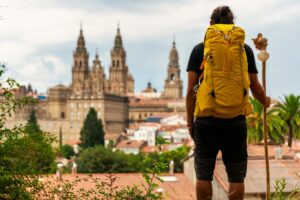
Reaching the Plaza del Obradoiro, looking straight at the Cathedral, and putting your backpack down is one of those moments that stay with you forever. Many pilgrims feel a mix of joy, relief, nostalgia, and even a certain “emotional hangover.” And it’s normal: they’ve spent days (or weeks) on a journey full of effort and intense experiences.
However, the experience doesn’t have to end there. On the contrary: the end of the Camino can be the start of other plans, whether related to the pilgrimage or completely different. Options that help you process what you’ve lived, rest your body, and continue discovering Galicia.
In this guide, you’ll find concrete ideas on what to do after finishing the Camino: how to make the most of your first days in Santiago, how to extend the route to Finisterre and Muxía, how to divide the pilgrimage into stages to continue another year, and which cultural, tourist, and wellness plans you can enjoy before heading home.
Índice de contenidos
- 1 What to do as soon as you arrive in Santiago de Compostela
- 2 Camino-related plans to extend the experience
- 3 Splitting the Camino: finishing in another town and continuing later
- 4 Cultural and tourist plans in Santiago after the Camino
- 5 Day trips from Santiago to keep exploring
- 6 Rest and wellness plans after the Camino
- 7 Practical tips for planning “after” the Camino
What to do as soon as you arrive in Santiago de Compostela
Collect the Compostela and other Camino certificates
One of the first steps upon arrival is to go to the Pilgrim Office to collect the Compostela, the document that certifies you have completed at least the last 100 km on foot or 200 km by bicycle.
To avoid long queues, it’s a good idea to check the current opening hours and, if possible, choose less busy times (often in the afternoon).
In addition to the Compostela, you can request other certificates, such as the distance certificate, which shows where you started your route. These are very special keepsakes that, beyond the paper, represent your effort and personal journey.
Visit the Cathedral and experience pilgrim rituals
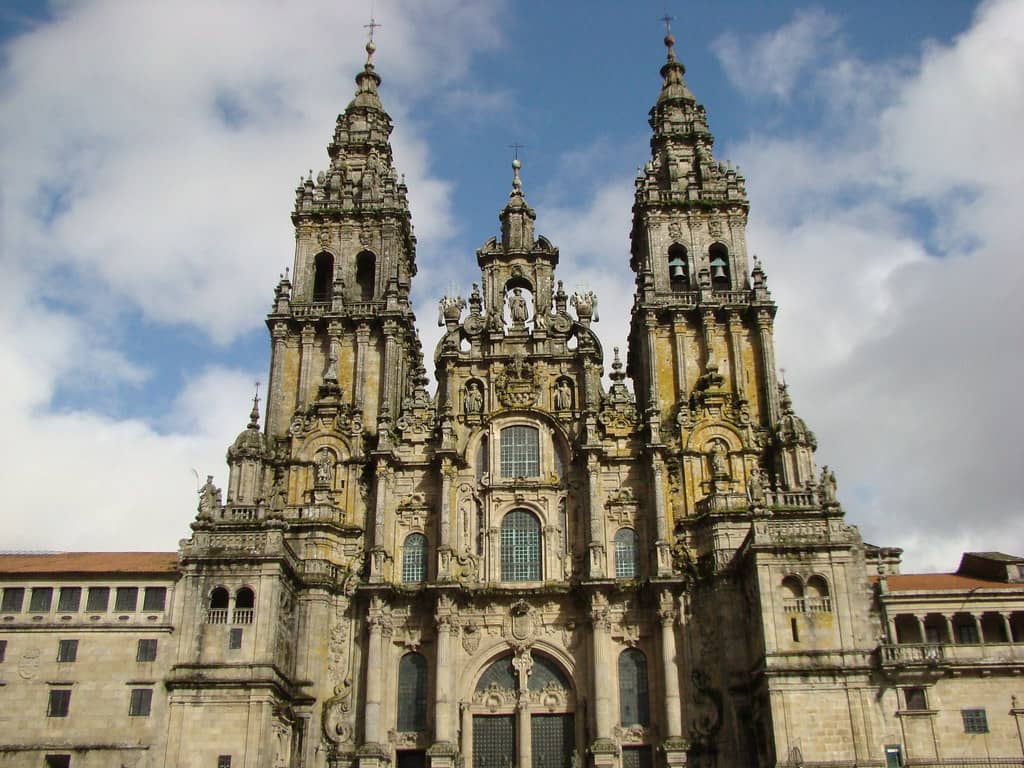
The next major step is entering the Santiago Cathedral. Beyond its religious significance, it is a place full of symbolism for European history and the pilgrimage. Here you can:
- Embrace the image of the Apostle at the main altar.
- Visit the crypt, where tradition says his remains rest.
- Attend the pilgrim’s mass, which often mentions the hometowns of those who arrived that day.
On certain dates or during special celebrations, there may be a ceremony with the botafumeiro, the large incense burner that swings across the nave. Although it is not guaranteed at every mass, if it coincides with your visit, it will be an unforgettable moment.
First stroll through the historic centre and most authentic neighbourhoods
Once the pilgrim “rituals” are complete, it’s time to wander through the streets of the historic centre.
Santiago’s centre is a UNESCO World Heritage Site, with squares and arcades that invite leisurely strolls: Praza das Praterías, Praza da Quintana, or Praza de Cervantes are just a few examples.
It’s also worth visiting slightly less touristy but charming areas, such as the San Pedro neighbourhood (through which many pilgrims enter) or the Parque de la Alameda. Here you’ll find one of the city’s most beautiful panoramic views.
Continue walking to Finisterre and Muxía
For many pilgrims, the true “end” is not in Santiago but at the ocean.
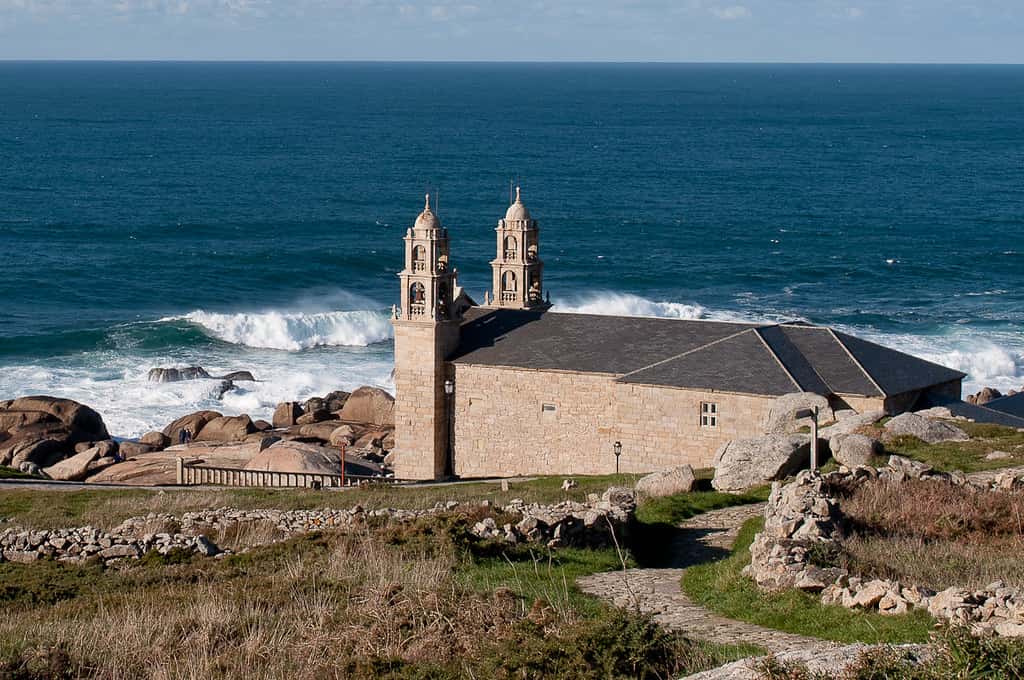
The Camino to Finisterre and Muxía is a natural extension: from Santiago to Finisterre, it’s about 90 km. If you continue to Muxía, you’ll add roughly 30 km more, passing through villages such as Negreira, Olveiroa, Cee, and Corcubión.
In Finisterre, you can visit the lighthouse, admire the famous “Costa da Morte,” and, if the weather allows, bid farewell to your journey with a sunset over the Atlantic. Muxía, on the other hand, offers the Virxe da Barca sanctuary and a rugged coastline with spectacular scenery.
Complementary Jacobean routes from Santiago (one-day stages or short getaways)
If you don’t want to embark on several more days of walking, another option is to take short one-day stages on Jacobean routes that pass near Santiago. For example:
- Walk a stage of the Vía de la Plata or the Camino Sanabrés in reverse, to explore less-travelled sections.
- Visit Padrón, a town symbolic for Jacobean tradition, reached via the Portuguese Way.
These are small “epilogues” that allow you to stay connected to the spirit without carrying your backpack for several more days.
Return as a hospitalero or volunteer in hostels
Although this is a longer-term plan, another very enriching option is to return as a volunteer or hospitalero in a hostel.
Many Camino friends’ associations and pilgrimage-related organisations offer programmes to host pilgrims for a few weeks. Volunteers can help with cleaning, reception, or basic management tasks.
It’s a different experience: you go from being a pilgrim to being the one who looks after them, listening to their stories and giving back a part of what you once received yourself.
Plan a new Camino along another Jacobean route
If the “Jacobean itch” has already been awakened, you can take advantage of the end of your journey to plan your next route: the French, the Northern, the Primitive, the English, the Portuguese, the Sanabrés, the Vía de la Plata, the Winter Camino… Each has its own personality, landscapes, and level of difficulty.
Taking a few days in Santiago to explore alternatives, compare options, and decide what your next adventure will be is another way of closing this chapter… knowing that there will be more.
Splitting the Camino: finishing in another town and continuing later
Not everyone has a whole month to walk from the start of their route to Santiago. That’s why it’s increasingly common to split the Camino into sections: you complete one part in a year, finish in a specific town, and resume from that same point later.
This way of pilgriming is perfectly valid: it allows you to adapt the experience to your holidays, fitness, or budget, without giving up on completing the route at a comfortable pace and enjoying each stage. To organise the Camino de Santiago in sections, it’s advisable to study the map carefully, check transport connections, and the services available at the end of each stage.
How to choose the start and end point of each section
It’s most practical to finish in towns that have good transport connections (bus, train, or nearby airports), as well as basic services such as accommodation and dining.
It’s also recommended to close each section with a reasonable distance for your fitness level, so you neither do too little (very short stages that don’t allow you to get “into the rhythm”) nor overexert yourself.
Examples of popular sections according to the Jacobean route
- French Camino. This is the most well-known route and is very suitable for splitting into sections: for example, from Saint-Jean-Pied-de-Port to Logroño; from Logroño to Burgos; from Burgos to León; from León to O Cebreiro; and from O Cebreiro to Santiago. These cities offer transport and services, making it easy to finish a section there and resume the next year.
- Portuguese Camino: central route and coastal route. Both have become some of the most popular routes. A very common example is doing the Oporto to Tui Camino. That is, walking first from Oporto to Tui, and at another time completing the Tui–Santiago section, which covers the last 100 km needed to obtain the Compostela.
Oporto, Tui, Vigo, Pontevedra, or Padrón are ideal points to finish a section due to easy access and available accommodation.
- Northern Camino. It’s also possible to divide it into sections connecting major coastal cities: Irún–Bilbao, Bilbao–Santander, Santander–Gijón, Gijón–Ribadeo, Ribadeo–Santiago, for example. This strategy allows you to enjoy the Cantabrian coast at your own pace and make use of urban services at the end of each section.
-
- Primitive Camino. More physically demanding, it can also be split: many pilgrims first do Oviedo–Lugo and continue another year from Lugo to Santiago. Both cities are well connected and offer rich cultural and heritage experiences, perfect for closing each section.
-
- English Camino. It isn’t usually split, but it has two main variants: from Ferrol and from A Coruña. Some pilgrims choose to complete Ferrol–Santiago first and, later, A Coruña–Santiago, taking the opportunity to visit both port cities.
- Sanabrés Camino. As such, this option isn’t usually split. However, if you are doing the Vía de la Plata in stages, it makes sense to stop in Ourense and save this Ourense to Santiago route for your “grand finale” of the pilgrimage.
- Other itineraries. Beyond the well-known routes, there are alternatives like the Winter Camino or various local variants. One of the most special is the Spiritual variant to Santiago, which links the Portuguese Camino with the maritime-river route known as Traslatio, passing through the Ría de Arousa and the Ulla River before reconnecting with the traditional itinerary in Padrón.
Benefits of splitting the Camino into multiple experiences
Splitting the route into sections allows you to:
- Fit the Camino around your work and personal schedule.
- Adapt the physical effort to your condition, progressing without rush.
- Enjoy each section more, without obsessing over reaching Santiago as fast as possible.
- Extend the excitement of the pilgrimage over several years.
Cultural and tourist plans in Santiago after the Camino
Beyond the Cathedral, Santiago offers several museums and cultural spaces that help contextualise what you’ve experienced: the Cathedral Museum, the Museo do Pobo Galego, or the Galician Centre for Contemporary Art, among others. Here you can learn more about the history, Jacobean tradition, and Galician culture.
Guided tours in the city: history, legends, and heritage
A great way to deepen your knowledge of Santiago is to join a themed guided tour. There are routes focusing on medieval history, legends and mysteries, or architecture. As a pilgrim, this will help you better understand the context of the city where your Camino concludes.
Galician cuisine in Santiago: where to enjoy it
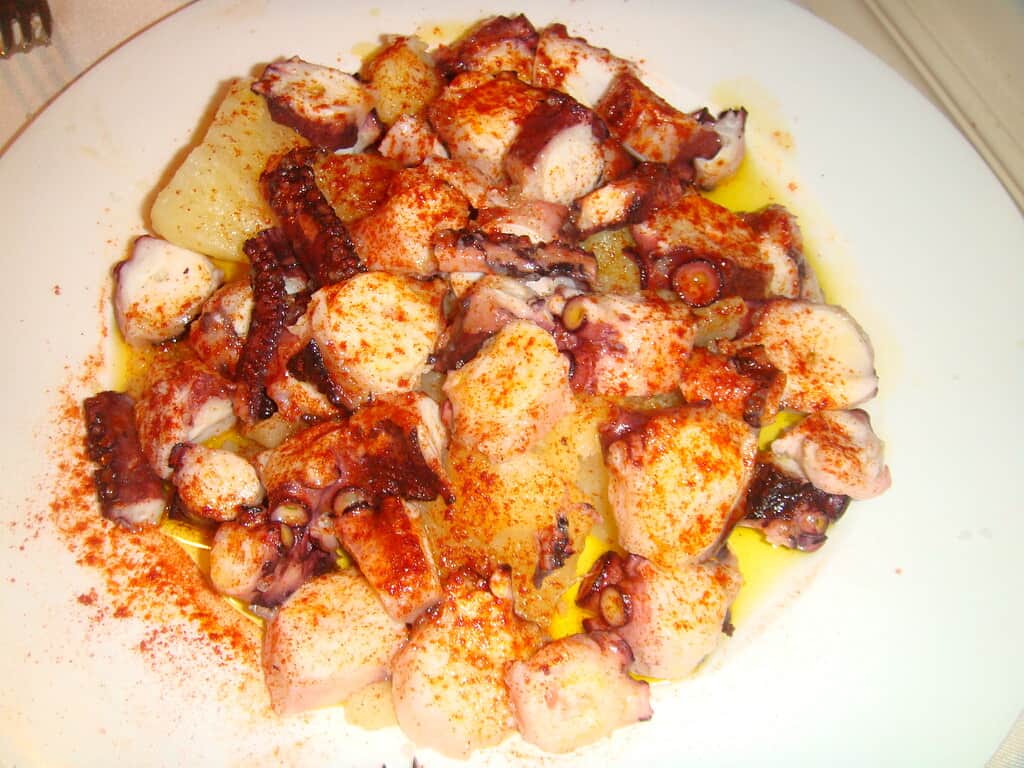
After so many kilometres, Galician cuisine tastes twice as good. From seafood and fish to hearty stews, octopus a feira, empanadas, or the classic Tarta de Santiago, the options are vast. You can choose simpler daily menus or treat yourself in traditional or contemporary restaurants.
The old town is full of bars and taverns, but it’s also worth exploring other neighbourhoods to escape the busiest tourist areas.
Shopping and meaningful souvenirs for pilgrims
If you want a keepsake, opt for symbolic items (shells, crosses, small sculptures, local crafts…) instead of purely touristy souvenirs. Choose something that truly connects you to what you’ve experienced: a book, a piece of Galician craft, or a print of the Cathedral, for example.
Day trips from Santiago to keep exploring
Rías Baixas
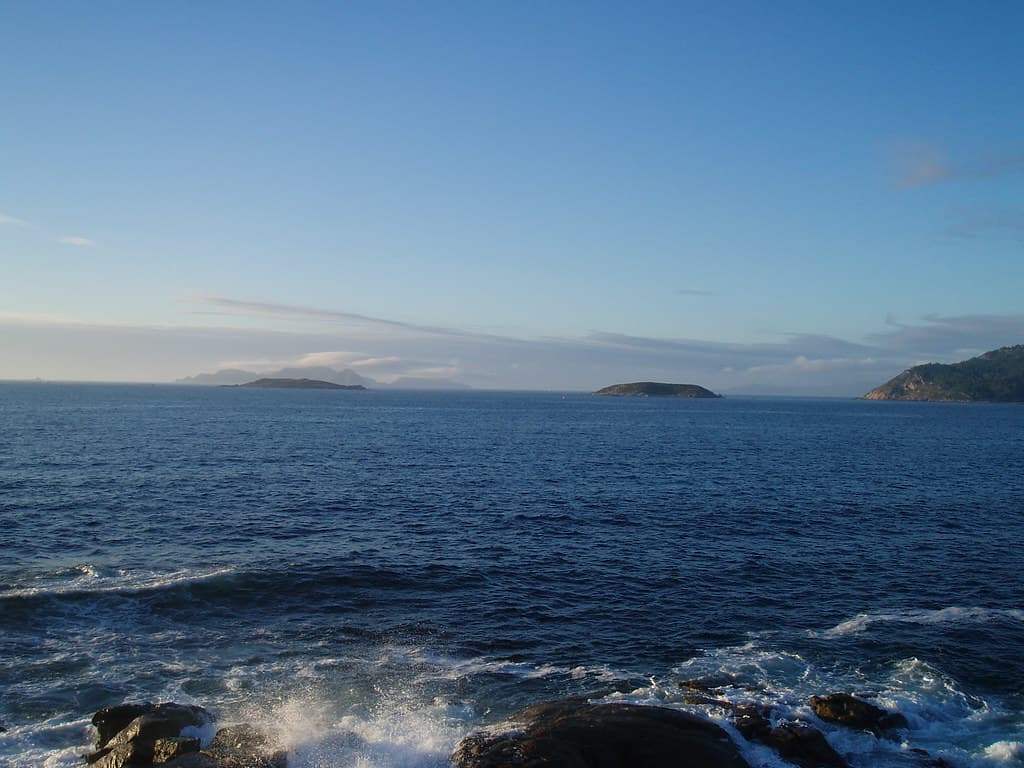
From Santiago, it’s relatively easy to take day trips to the Rías Baixas. You can enjoy beaches, fishing villages, visits to manor houses, and albariño wine cellars. It’s a fantastic way to introduce contrast: from the green, mountainous interior of the Camino to the sea breeze.
Costa da Morte
Beyond Finisterre, if you decide to reach Finisterre or Muxía, you can extend the route to other spots like Laxe, Camariñas, or Malpica. This area combines wild landscapes, small villages, and a deeply rooted maritime culture.
A Coruña and other Galician cities
Another interesting option is a getaway to A Coruña, with its iconic Tower of Hercules, or cities like Vigo, Pontevedra, or Lugo, each with its own character. They are accessible by public transport from Santiago and perfect for completing your vision of Galicia.
Exploring Portugal further
If you arrived via the Portuguese Camino, you can take the return trip as an opportunity to visit cities like Oporto or Braga.
Rest and wellness plans after the Camino
Thermal baths and spa resorts in Galicia
After so many kilometres, the body appreciates a good rest. Galicia is a reference thermal destination, with Ourense taking centre stage, where the As Burgas thermal baths have more than two thousand years of history linked to their hot springs.
You can spend a day or two in the city, enjoy its thermal facilities, and combine it with a small wellness retreat.
Gentle activities: nature, walks, and rural tourism
If you still feel like moving but without great effort, choose easy nature trails or short walks through forests and riverbanks. You can also opt for short stays in rural houses where the daily pace is much slower than during the pilgrimage.
Caring for your body after the effort: physiotherapy, podiatry, and recovery
The end of the Camino is also a good time to listen to your body. Checking for muscle overloads, blisters, or joint discomfort can help you recover better and prevent future problems, especially if you plan to walk again another year.
Practical tips for planning “after” the Camino
How many extra days to reserve in Santiago and surroundings
Whenever your schedule allows, it’s recommended to add at least two or three extra days to your plan, already thinking ahead about what you’d like to do after arriving in Santiago: rest, explore the city, continue to Finisterre, take a Rías Baixas route, or a thermal getaway.
How to organise your return home without rushing
Trying to return the same day you arrive in Santiago usually causes stress and can take away from the emotion of that special moment. Whenever possible, plan your return with some buffer: an extra night in the city, a farewell meal with fellow pilgrims, and enough time to enjoy the ending without constantly checking the clock.
What to consider if you want to return to continue the Camino
If you are doing the route in sections, make sure to note:
- The exact point where you finish (town and, if possible, a specific place like a square or church).
- How you got there (train, bus, carpool) and the options to repeat the journey.
- The time of year you’d like to resume the experience and what weather conditions to expect.
Finishing the Camino isn’t just about reaching the Cathedral: it’s deciding how you want to close this experience. Perhaps your ideal plan is to stay a few days in Santiago, continue walking to the sea, split your pilgrimage over several years, or become a hospitalero later on.
Whatever your choice, the important thing is that the “after” aligns with what you need: rest, reflection, nature, sea, culture, or new challenges. That way, when you return home, you not only have the satisfaction of having reached Santiago but also the feeling that you fully embraced one of the most special experiences of your travel life.