Walking for several consecutive days, carrying weight on your back and facing constant changes in weather, turns the Camino into an experience that is as exciting as it is demanding. A good pilgrim’s first aid kit isn’t an “extra”; it is an essential tool to prevent problems and deal with the small health issues that can arise at any stage of the journey.
Índice de contenidos
- 1 Why a good first aid kit is essential on the Camino de Santiago
- 2 How to organise your pilgrim’s first aid kit step by step
- 3 Essential first aid supplies you shouldn’t skip
- 4 Recommended medication for the Camino de Santiago
- 5 First aid kit and health depending on the route type: pharmacies, health centres, and physical demands
- 6 Practical tips for using your first aid kit on the Camino
- 7 Pilgrim’s first aid kit according to the season
- 8 Final checklist: your ideal Camino de Santiago first aid kit
Why a good first aid kit is essential on the Camino de Santiago
Most common risks: blisters, strain, and heatstroke
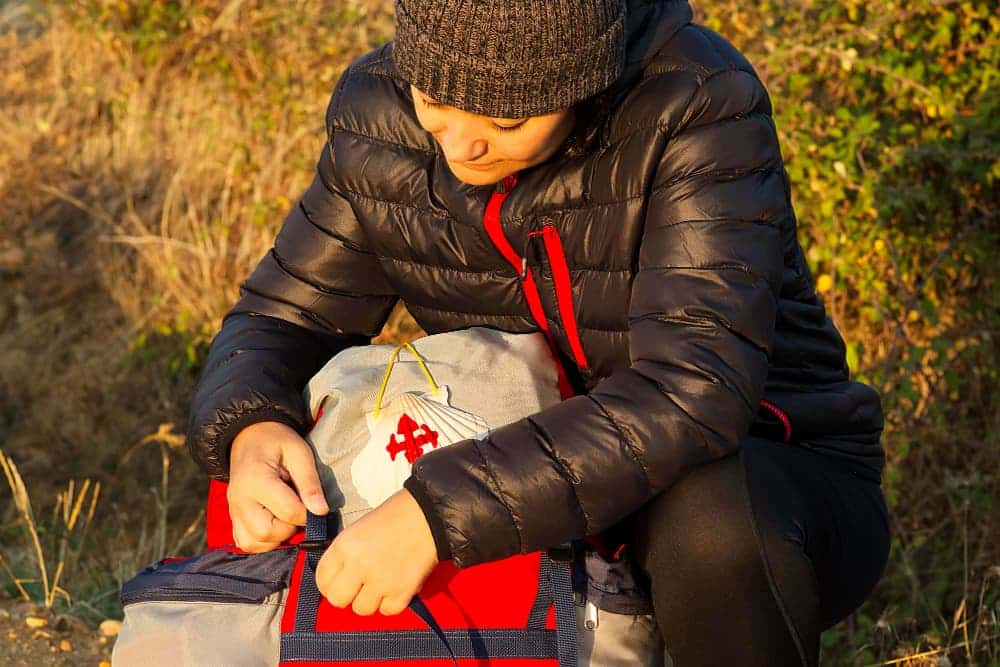
The most common problems for pilgrims are blisters, chafing, tendinitis, muscle strain, sprains, and heatstroke. These are usually minor issues, but if not treated in time, they can ruin a stage or even force you to stop walking altogether. In addition, walking for several days in a row increases the risk of:
- Dehydration and exhaustion, especially in summer.
- Digestive discomfort due to changes in meal times, heavy food, or nerves.
- Mild allergic reactions (insect bites, pollen, plants, food).
Distance between villages and changing weather conditions
On many stages, villages appear every few kilometres, but in others the stretches between population centres can be 10–12 km or more, along secondary roads, forest tracks, or rural paths with no services. If in the middle of one of these sections you develop a painful blister, intense muscle pain, or an allergic reaction, having the right supplies makes all the difference.
On top of that, the weather, especially in the north and northwest of the Peninsula, can change very quickly: from strong sunshine to rain, cold, wind, or humidity in a matter of hours.
Basic first aid kit vs. overloaded kit
It’s not about carrying half a pharmacy in your backpack. The ideal option is a compact, lightweight, and well-selected first aid kit. If you overpack, you’ll end up carrying products you may never use, while increasing fatigue and the risk of overexertion injuries. The key is to include the essentials to:
- Treat blisters and small wounds.
- Control pain and minor inflammation.
- Handle common digestive issues.
- Manage mild allergies or insect bites.
How to organise your pilgrim’s first aid kit step by step
The ideal toiletry bag: lightweight, durable, and easy to spot
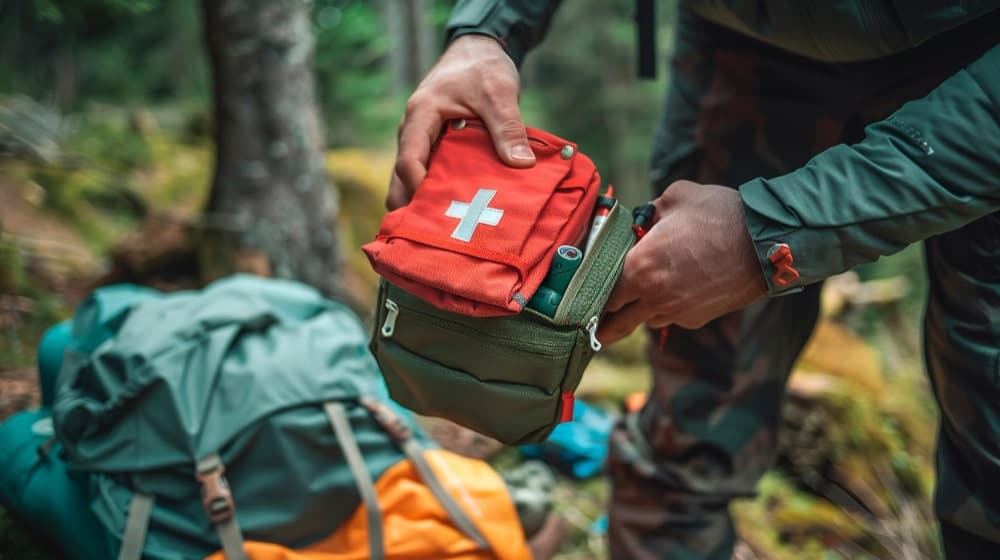
Choose a small, waterproof toiletry bag or pouch with a secure closure. Ideally, it should have several compartments so you can quickly find what you need: gauze pads, medicines, plasters… If it has a bright colour, it will be easier to locate it inside your backpack.
Where to place it inside your backpack
Your first aid kit should be easy to reach. The most practical options are:
- Keeping it in the top section of your backpack or in a large side pocket.
- Avoiding placing it at the bottom, underneath your clothes, where it’s hard to access.
- If you carry a large waist pack, you can reserve a pocket for the most essential items (plasters, dressings, painkiller).
Amount of supplies depending on the length of your Camino
Doing a short 4–5 day section is not the same as walking the full Camino over several weeks. As a guide:
- Short (3–7 days): small quantities of each product, enough to cover one incident of each type.
- Medium (8–15 days): a few more blister dressings, painkillers, and rehydration sachets.
- Long (over 15 days): prioritise foot-care supplies and carry prescriptions or a medical report for chronic medication.
Remember that you can replenish supplies in pharmacies and supermarkets along the route, especially on the most popular paths.
Essential first aid supplies you shouldn’t skip
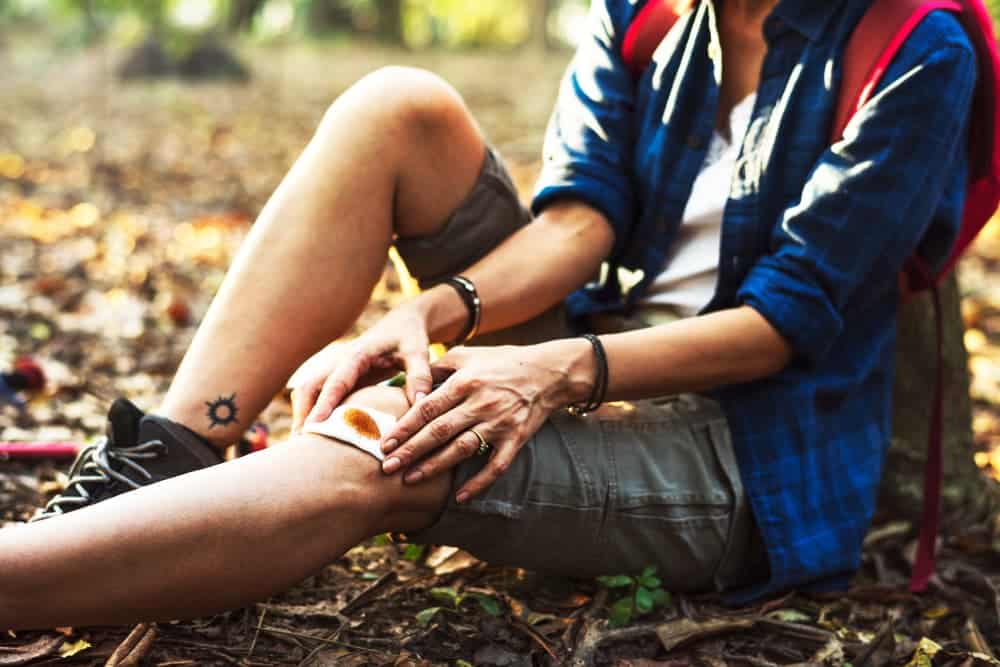
For blisters and chafing on your feet
Blisters are probably the number-one problem for pilgrims. To prevent and treat them, your first aid kit should include:
- Hydrocolloid blister plasters.
- Sterile gauze pads to clean and protect the area.
- Hypoallergenic adhesive tape to secure gauze pads or protect friction points.
- Plasters of various sizes.
- Skin disinfectant (chlorhexidine, povidone-iodine, or similar) for cleaning small wounds.
- A pair of small scissors (always check transport restrictions if you’re flying beforehand).
For small wounds, knocks, and sprains
Although the Camino passes through safe areas, it’s easy to stumble, slip on rainy days, or bump into rocks and roots. Carry:
- Elastic bandages to support mild sprains or provide gentle compression.
- Gauze bandage to secure dressings over larger areas.
- Cold spray or cold gel for bumps, sprains, or mild muscle inflammation.
- Topical anti-inflammatory cream or gel (ask your pharmacist).
Daily hygiene and protection
Good hygiene is part of “preventive treatment”:
- Hand sanitiser for cleaning your hands when you don’t have water and soap.
- Hygienic wipes to clean small areas of the body or your feet before treating them.
- Nail clippers or small scissors to keep toenails properly trimmed (reducing the chance of bruising or injuries).
- High-factor sunscreen and lip balm with SPF to prevent burns and cracks.
Recommended medication for the Camino de Santiago
Any medication should be adapted to your personal health needs and, if in doubt, it’s best to consult a healthcare professional. Even so, there are common medicines that many pilgrims carry:
Common painkillers and anti-inflammatories
- Everyday painkillers (such as paracetamol) for headaches or general discomfort.
- Some oral anti-inflammatory, if you tolerate it well and a professional has recommended it, for muscle or joint pain.
These medicines can help you keep walking when tiredness or muscular soreness is moderate, but if the pain is intense or persistent, the sensible thing is to stop and visit a health centre.
Medication for difficult digestion and intestinal problems
- Basic anti-diarrhoeal for isolated episodes.
- Oral rehydration salts to replace fluids and minerals in cases of diarrhoea, extreme heat, or heavy sweating.
- Some mild antacid or treatment for occasional heartburn.
- If you’re prone to them, probiotics to support gut balance.
Antihistamines and known allergies
If you are allergic to pollen, certain foods, or are prone to reactions from insect bites, pack:
- Oral antihistamine you normally use.
- Soothing cream for bites.
Chronic medication: planning and safety
If you take chronic medication (for blood pressure, diabetes, thyroid conditions, etc.), it’s important to:
- Carry enough for the entire Camino plus a few extra days.
- Keep it in its original packaging, with your name and dosage.
- Have a report or prescription from your doctor in case you need to visit a health centre or replace medication.
- Divide some of your medication into another compartment or support backpack, so you don’t lose everything if something goes missing.
First aid kit and health depending on the route type: pharmacies, health centres, and physical demands
Not all routes offer the same number of towns, pharmacies, and healthcare centres.
On busier itineraries there are usually more population centres, pharmacies, and services, whereas in more rural sections you might go many kilometres without finding anything.
Adapting your first aid kit to the type of route is a highly effective way to prevent problems.
Routes with more services and pharmacies
- The French Way is the most travelled and best equipped route: it passes through numerous towns with health centres, clinics, and pharmacies almost at every stage. This makes it easy to replace medication, treat blisters, or address any minor health issues during the route.
- The Northern Way combines coastal stretches and rural areas with medium-sized towns and large cities like San Sebastián, Bilbao, or Gijón. Although there are good healthcare services, some stages between towns can be long, so it is advisable to carry a well-prepared first aid kit for blisters, bumps, and overuse injuries.
- The Original Way (Camino Primitivo) is more physically demanding and passes through mountainous and rural areas. There are health centres and pharmacies in the main towns, but some sections are isolated. Therefore, it’s important to carry extra wound care materials and basic medication, especially if you’re not used to walking on tough terrain.
- The Portuguese Way, especially its final stretch through Galicia, has good infrastructure and frequent towns. However, if you choose the Porto to Tui Camino de Santiago, you will find pharmacies and health centres at most stages, allowing you to easily replace plasters, bandages, or painkillers if needed.
-
- The Pontevedra Spiritual Variant passes through a more rural, wooded environment. Although Pontevedra, Vilanova de Arousa, and Padrón have good healthcare services, some intermediate sections are more isolated. Make sure your first aid kit includes bandages, extra plasters, and medication for minor discomforts.
- The English Way offers relatively short stages and good access to pharmacies and health centres in most towns. It’s a good option if you prefer a shorter route with nearby services and fewer crowds.
- The Sanabrés Way (Ourense to Santiago) passes through more sparsely populated rural areas. Although there are pharmacies and clinics at key points, some stages are long and have fewer intermediate services. Here it’s also advisable to carry a more complete first aid kit and enough water and rehydration salts for demanding days.
Choosing the right route and planning to reduce risks
If it’s your first Camino or you want extra security, you might consider a route with more services, shorter daily stages, or better infrastructure. Planning where you will sleep, where you can replenish supplies, and which stages are more demanding is just as important as preparing your backpack.
If you decide to organise a Camino de Santiago with an agency, planning your stages and accommodations will be easier. At Mundiplus, we will help you focus on preparing a first aid kit suited to your needs and the type of terrain you’ll be walking, without neglecting basic health autonomy.
Practical tips for using your first aid kit on the Camino
When to stop and treat a blister
Don’t wait until you reach the hostel. If you notice a rubbing spot or a blister starting to hurt:
- Stop for a few minutes in a safe place.
- Clean the area, dry your foot thoroughly, and apply an appropriate plaster.
- Adjust your boot or shoe laces to reduce friction.
Acting quickly usually prevents a minor discomfort from becoming a problem that stops you from continuing.
Warning signs: when to visit a health centre
Although most discomforts can be managed with your first aid kit, it’s important not to underestimate certain symptoms. Seek medical attention if:
- Pain is intense, sudden, or prevents you from putting weight on your foot or walking.
- A wound shows redness, warmth, discharge, or fever.
- You experience dizziness, disorientation, difficulty breathing, or chest pain.
- You have a widespread allergic reaction (significant swelling, difficulty swallowing or breathing).
The emergency number is 112.
If walking in a group, you can share certain items (for example, one person carries bandages, another a cold spray, another anti-diarrhoeals). Sharing reduces weight, but each pilgrim should still carry a minimum: plasters, blister dressings, a painkiller, and their personal medication.
Replenishing supplies during stages
On busier routes, you will find pharmacies and supermarkets to replace what runs out. On more isolated routes, plan where you can buy supplies and avoid waiting until the last moment.
Pilgrim’s first aid kit according to the season
Spring and autumn: rain, humidity, and temperature changes
During these seasons, rain, mud, and sudden temperature changes are common. Reinforce:
- Foot protection (plasters, band-aids) as humidity increases the risk of blisters.
- Dry clothes to change as soon as you get wet.
- Chafing cream for groin or underarms if walking in damp clothing.
Summer: sun, heat, and dehydration
In summer, the main risks are heatstroke, dehydration, and sunburn. Your kit should include:
- High-factor sunscreen, reapplied during the day.
- Oral rehydration salts for very hot stages.
- After-sun or soothing skin cream.
Winter: cold, slips, and mild respiratory discomfort
If walking in winter, in addition to good technical equipment, your kit may include:
- Hand and lip cream for chapped skin.
- Materials to treat minor falls or bumps from ice or mud.
- Common cold medicines (always consult your doctor or pharmacist first).
Final checklist: your ideal Camino de Santiago first aid kit
Quick list of wound care items
- Hydrocolloid plasters for blisters.
- Band-aids of various sizes.
- Sterile gauze and hypoallergenic adhesive tape.
- Skin disinfectant (chlorhexidine, povidone-iodine…).
- Elastic and gauze bandages.
- Cold spray or gel for bumps and sprains.
Quick list of basic medication
- Regular painkiller.
- Anti-inflammatory (if tolerated and appropriate for you).
- Anti-diarrhoeal and oral rehydration salts.
- Antihistamine for allergies.
- Daily chronic medication for the entire Camino + spare.
Medical documentation and other essentials
- Health card or equivalent document.
- Medical report if you have chronic illnesses or take specific medication.
- Travel insurance, if available.
- List of allergies or important medications written in a visible place.
With a well-prepared kit, adapted to the route you choose and your health condition, you can enjoy the Camino de Santiago with much more peace of mind. Prevention, listening to your body, and careful planning are your best allies for reaching the finish line in good condition.