If you’re thinking about walking the Camino de Santiago for the first time, it’s natural to wonder which route is the easiest. Not every itinerary requires the same level of effort, and choosing wisely can make the difference between enjoying each stage or giving up before reaching Santiago.
Índice de contenidos
- 1 What “easy” really means on the Camino de Santiago
- 2 Factors that determine the Camino’s level of difficulty
- 3 Comparing the routes: which is the most accessible?
- 4 So, which is the easiest Camino de Santiago?
- 5 Tips for choosing the most suitable route
What “easy” really means on the Camino de Santiago
When someone considers embarking on this adventure for the first time, one of the most common questions is: which is the easiest route on the Camino de Santiago? However, ease doesn’t depend solely on the chosen route. Physical, logistical, and even emotional factors come into play. What feels like a pleasant walk for some may be a genuine challenge for others.
“Ease” can be understood on three levels:
- Physical: short stages, flat terrain, and minimal elevation gain.
- Logistical: clear signposting, plenty of accommodation, and good services.
- Emotional: friendly environments, without feelings of isolation or pressure.
Personal aspects also play a role, such as age, previous hiking experience, available time, or the season of the year. In summer, for example, the heat can turn an easy stage into something exhausting, whereas in autumn or spring, the mild weather makes walking much more comfortable.
Factors that determine the Camino’s level of difficulty
Before deciding which route to take, it’s worth understanding what makes one more or less demanding.
- Total distance and daily stages. The number of kilometres directly affects the effort required. Shorter routes or those divided into reasonable stages (15 to 25 km) are more manageable. Starting from towns close to Santiago, such as Sarria or Tui, allows you to experience the journey without having to cover long distances.
- Elevation gain and terrain type. Gradients are another key factor. Routes with steep climbs or rocky paths require greater physical endurance and increase the risk of injury. In contrast, trails with gentle profiles, firm ground, and shaded sections are much more comfortable—especially for beginners.
- Signposting and orientation. The yellow arrows and scallop shells are the pilgrim’s best allies. On the more popular routes, the signposting is excellent, which reduces stress and the risk of getting lost. On lesser-known trails, it’s advisable to carry a map or a tracking app.
- Infrastructure and accommodation availability. Having hostels, guesthouses, restaurants, and pharmacies nearby makes a big difference. Routes with more infrastructure allow you to choose where to rest, split stages, and walk with less weight, without needing to carry all your belongings.
- Climate, seasons, and ground conditions. Weather also plays a role: rain, mud, or extreme heat can make even the easiest routes tougher. Galicia, for instance, combines mild temperatures with humidity, which makes the stages more manageable when planned properly.
Comparing the routes: which is the most accessible?
Below you’ll find a comparison of the main Camino de Santiago routes, ranked from easiest to most challenging. Each has its charm, but they differ in distance, elevation, and available services.
Camino Francés (from Sarria)
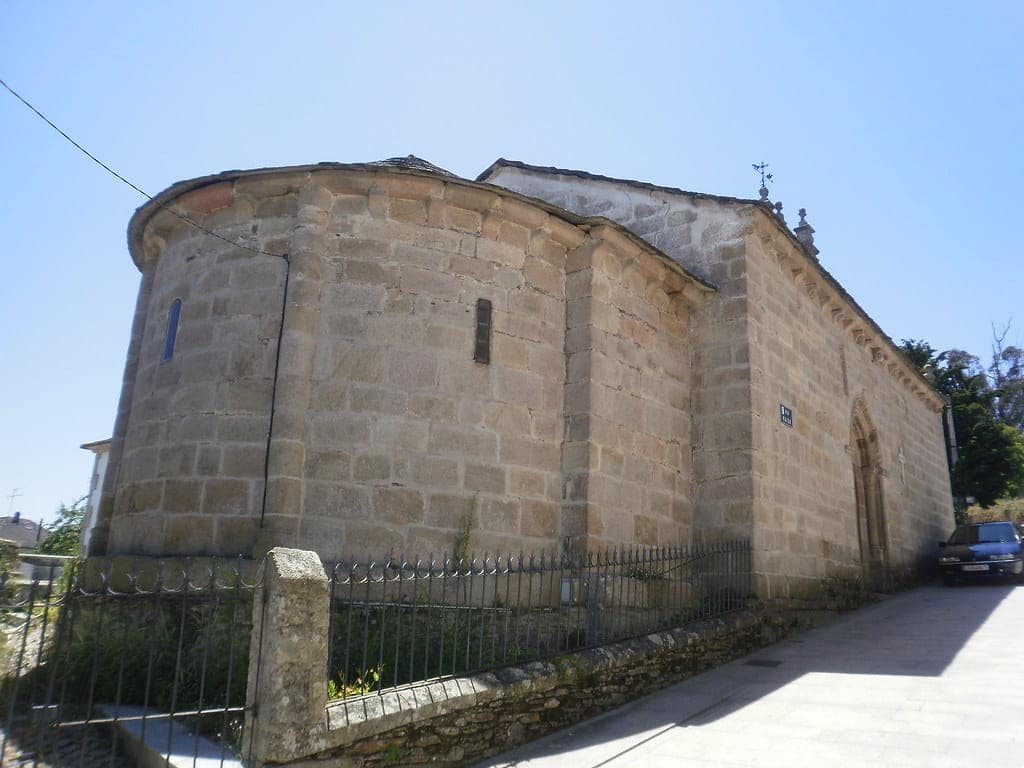
The most popular and best-prepared route. Ideal for beginners. The Camino Francés is the classic pilgrimage route par excellence and the busiest of all. Starting in Sarria, about 115 km from Santiago, allows you to cover the minimum distance required to obtain the Compostela. The stages are easily divided into 20 to 25 km sections, with moderate climbs and comfortable terrain.
Its biggest advantage is its infrastructure: there are plenty of accommodations, restaurants, pharmacies, and luggage transport options. It’s also very well signposted, making progress smooth and stress-free. For this reason, it’s the best choice for those seeking an easy, sociable first Camino with all services at hand.
Camino Portugués (from Porto to Tui)
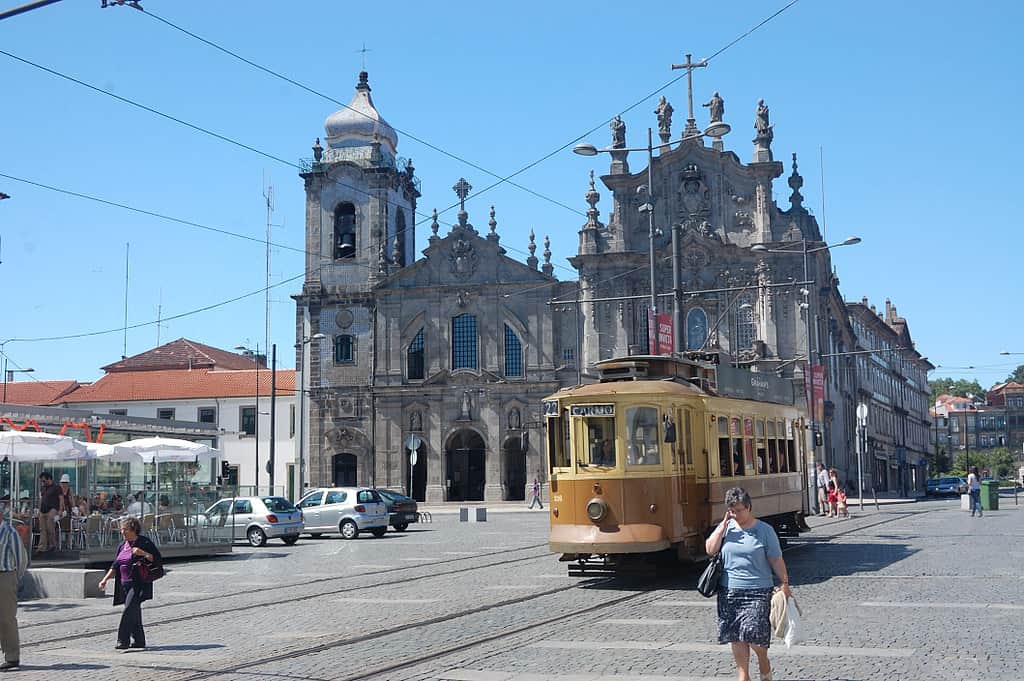
The Camino Portugués from Porto to Tui is another well-balanced option, offering good infrastructure, moderate gradients, and varied landscapes. This stretch stands out for its gentle profile, excellent waymarking, and the warm hospitality of its towns. From Porto, the route passes through places rich in history and rural scenery, combining coastal and inland stretches.
Many pilgrims choose to start in Tui, already within Galicia, to walk the final 115 km to Santiago. It’s also a comfortable route, with short stages, gentle slopes, and a well-developed network of accommodations.
In any case, this route combines nature, culture, and spirituality without major physical demands. It’s one of the most recommended for those seeking an easy and authentic Camino de Santiago experience.
Spiritual Variant of the Camino Portugués
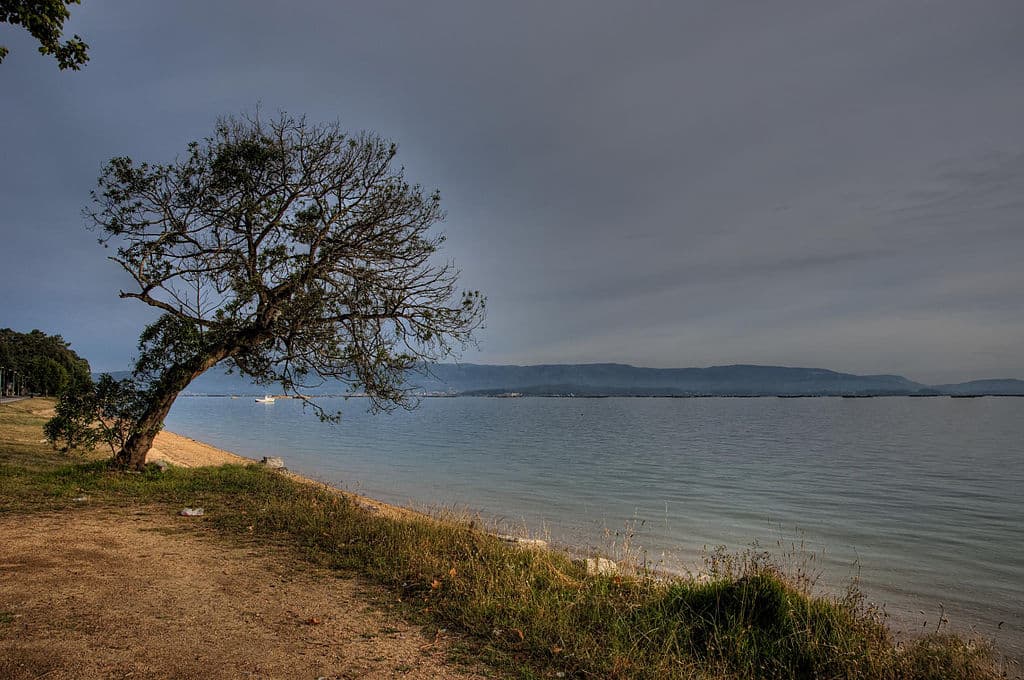
The Spiritual Variant of the Camino de Santiago is a short and unique route featuring a maritime section and lower physical demands. This alternative route starts from Pontevedra and combines two walking stages with a boat journey along the Arousa estuary to Padrón, following the legendary “Traslatio” of the Apostle Saint James.
The route is just under 70 km long, making it ideal for those who are short on time or prefer a moderate level of exertion. The terrain is gentle, and the landscapes—among vineyards, monasteries and coastline—offer a peaceful and spiritual experience.
Although less frequented, it features adequate signposting and sufficient accommodation. It’s a perfect option for those seeking a short, unique experience with a coastal charm.
Camino Sanabrés (from Ourense)
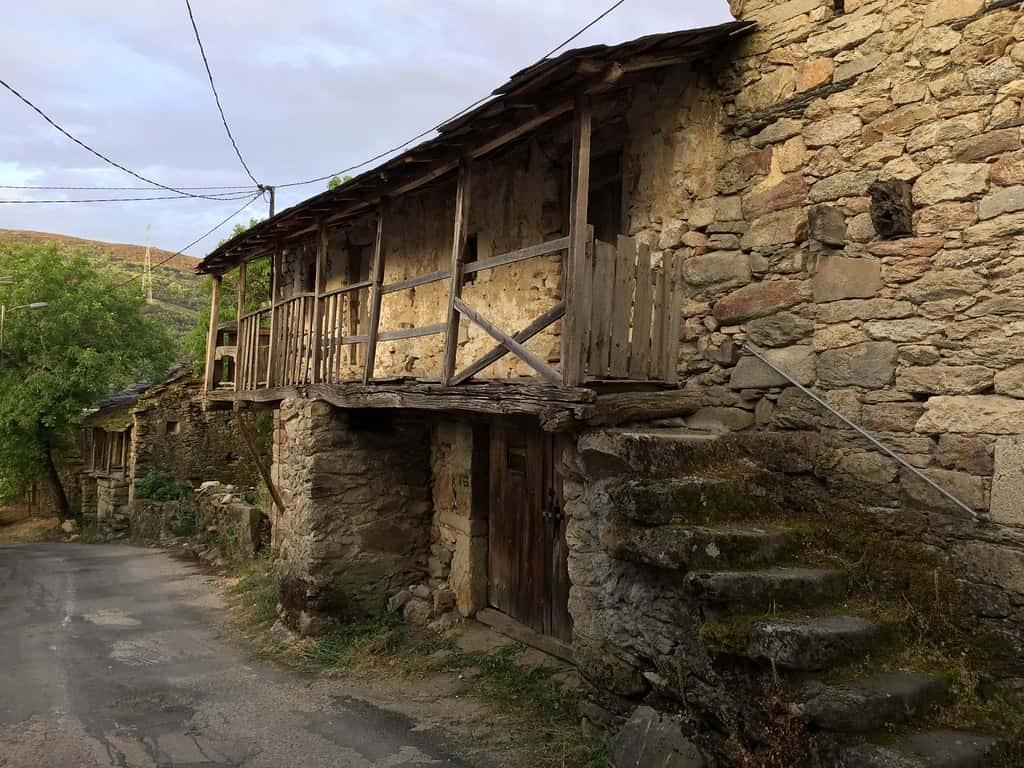
The Camino from Ourense to Santiago is much less busy, yet comfortable and with well-planned intermediate stages. Starting in Ourense, it offers a peaceful and very authentic alternative. Over approximately 110 km, it passes through rural villages, forests, and gentle Galician hills.
The profile is slightly more irregular than the Portuguese Way, but it still avoids steep gradients. Stages can be easily adapted to different levels, and the density of accommodation has improved greatly in recent years.
It’s an ideal route for those seeking peace, nature, and a slower pace, without the crowds of the French Way.
Camino Inglés (from Ferrol or A Coruña)
Short distance with a good balance of effort and scenery. The Camino Inglés has two main variants: from Ferrol (118 km) and from A Coruña (75 km). Although it features some climbs, the stages are short, and the coastal views make the effort worthwhile. It’s a very appealing option for those seeking a more relaxed experience, with a local atmosphere and manageable stages.
Camino Francés (full route)
For those with more time or energy. It’s also the most emblematic route, offering a wide variety of landscapes and stages.
It starts in Saint-Jean-Pied-de-Port in the French Pyrenees and crosses northern Spain to reach Santiago de Compostela. With an approximate length of 780 kilometres, it passes through regions such as Navarra, La Rioja, Castilla y León, and Galicia, offering immense cultural, gastronomic, and scenic richness.
In terms of difficulty, it features highly varied stages: the first days are tough due to the ascent to Roncesvalles, and the plains of Castilla can feel monotonous, but the Galician section (already mentioned) is gentler and greener.
Its major advantage is the impeccable infrastructure: thousands of accommodations, shops, and continuous signposting make it the safest and easiest to organise, even for those wishing to walk it in sections.
Nevertheless, due to its length, it is considered a moderate-difficulty route, recommended for those with several weeks or seeking a complete Camino experience.
Camino del Norte
Beautiful, but with more elevation changes and fewer services in some sections. This route follows the Cantabrian coast, offering spectacular landscapes, beaches, and cliffs. However, its profile is demanding: the continuous ups and downs make it physically tougher. Moreover, although services are increasing, they are not as concentrated as on other routes.
It’s an excellent option for experienced pilgrims seeking natural beauty and solitude rather than comfort.
Camino Primitivo
The most demanding due to mountainous terrain; recommended for experienced pilgrims.
The Camino Primitivo, starting in Oviedo, is the original route and one of the hardest, if not the hardest, given its steep gradients. Additionally, long stages and variable weather make it a challenge for those with prior walking experience. In return, it offers a pure experience, mountainous landscapes, and an intimate connection with nature.
Vía de la Plata
Long, hot, and with isolated sections: not the easiest, but very spiritual. The Vía de la Plata starts in Seville and crosses the entire peninsula to Santiago, hence its difficulty. It’s an extensive route, with long stages and sparsely populated areas, especially in summer, when the heat can be intense.
However, it’s ideal for those seeking something introspective and quiet, with a strong historical and cultural connection.
Camino de Finisterre and Muxía (final extension)
Although not considered a main route to Santiago, many pilgrims extend their journey to the Galician “end of the world.” It adds approximately 90 km, with moderate elevation changes and spectacular Atlantic views. It’s not technically difficult, but requires energy after completing the main Camino.
So, which is the easiest Camino de Santiago?
Considering all factors —physical effort, elevation, signposting, and services— the most accessible routes for most pilgrims are:
- The Camino Francés from Sarria, for its comfort, excellent infrastructure, and social atmosphere.
- The Camino Portugués from Tui, for its gentle profile, good logistics, and balance between scenery and tranquillity.
Both offer a complete experience, with the possibility to adapt stages and enjoy the journey without worrying about difficult terrain.
Tips for choosing the most suitable route
- Assess your fitness. If you’re not used to long walks, choose routes with short stages and flat terrain.
- Consider your available time. In a week, you can complete from Tui, Ourense, or Sarria at a relaxed pace.
- Check the weather. Avoid extreme heat or heavy rain periods.
- Plan your accommodations carefully. The most popular routes can fill up quickly.
- Don’t carry more than necessary. Use luggage transport if you prefer; it will let you enjoy each stage more.
If you want to plan your Camino smoothly and without worrying about logistics, there are specialised companies offering Camino de Santiago trips that handle accommodation, transport, and customised stages.
There is no universally “easy” Camino de Santiago, but some routes are gentler than others. If it’s your first experience, starting in Sarria or Tui will allow you to experience the essence of the Camino without major challenges. The important thing is not speed or distance, but enjoying the journey, the scenery, and the little moments that make this trip unique.
Every step, no matter how simple, brings you closer to Santiago… and to yourself.